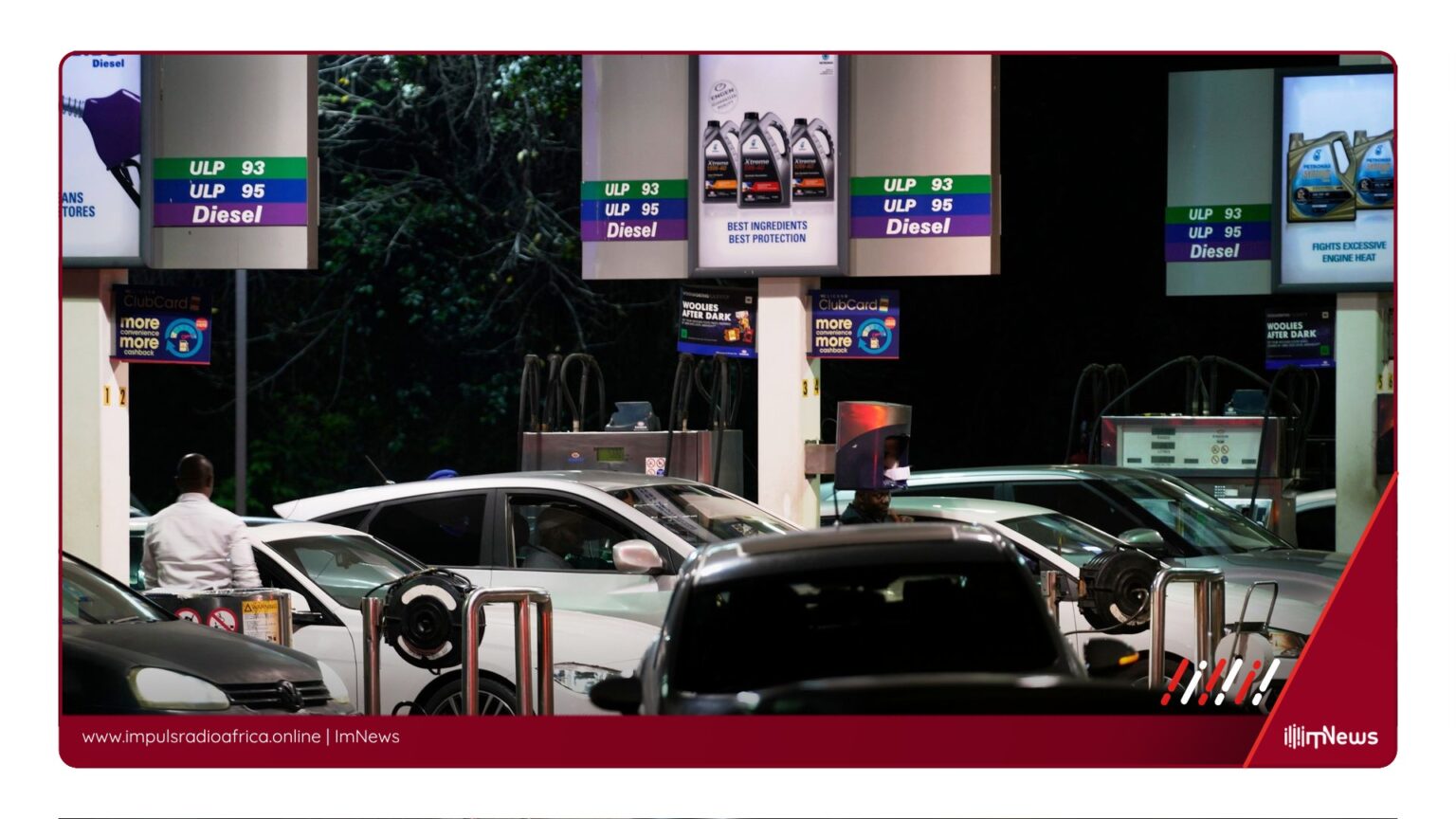
South Africa’s Fuel Tax Cut Extension: A $1Billion Gamble to Shield Consumers from Iran War Impact. Johannesburg, South Africa — In a bid to shield its citizens from the soaring energy costs exacerbated by the U. S.
-Israel–Iran conflict, South Africa’s government has extended its temporary fuel tax cuts for an additional two months. This decision, which aims to mitigate inflation and prevent a drag on GDP growth, is expected to cost the government approximately R17. 2 billion ($1.
04 billion) in tax revenue between April and June 2026.
The fuel tax cuts, which were initially introduced to ease the financial burden on consumers, include a reduction of 3 rand per litre for petrol and 3. 93 rand per litre for diesel in May 2026.
In June, the subsidy is set to be halved, with petrol and diesel prices expected to be reduced by 1. 50 rand and 1. 96 rand per litre, respectively.
The National Treasury has described the measure as “revenue neutral, “suggesting that the shortfall will be covered through higher-than-expected tax revenue and underspending.
However, this stance has been met with skepticism by some economic experts, who argue that the move could lead to increased fiscal pressure in the long term. South Africa, Africa’s largest economy, has been particularly affected by the global oil price surges resulting from the Middle East conflict.
The country has a history of implementing fiscal measures to protect its economy from external shocks, such as the recent extension of the African Growth and Opportunity Act (AGOA) and the introduction of High Wealth Individual (HWI) tax unit oversight. Business Insider Africa highlights the financial impact of the extension, noting the government’s intention to maintain fiscal discipline by covering the shortfall through higher-than-expected tax revenue and underspending. CNBC Africa emphasizes the global oil price surge and its potential inflationary impact on the South African economy.
Infrastructurenews. Co. Za discusses the broader context of the war’s impact on inflation and the measures taken by other African nations to mitigate the effects.
Nigeria, for instance, has seen its oil output reach a five — year high, with production reaching 1. 71 million barrels per day, according to recent reports.
The extension of the fuel tax cuts is part of a broader strategy by the South African government to cushion the impact of the Iran war on its citizens.
However, the move has raised concerns about the long — term sustainability of such fiscal measures, particularly as the country grapples with rising inflation and a slowing economy.
As the world watches the evolving situation in the Middle East, South Africa’s decision to extend its fuel tax cuts underscores the complex interplay between global events and domestic economic policy.
The government’s ability to balance the immediate needs of its citizens with the long-term fiscal health of the nation will be a crucial test in the coming months.
South Africa’s fuel tax cut extension is a significant move that reflects the nation’s vulnerability to global economic shocks.
As the world continues to grapple with the Iran war and its repercussions, the outcome of South Africa’s fiscal strategy will be closely watched by both domestic and international observers.
*Additional reporting by ImNews | Sources consulted: 5*
—
This original article was produced by the ImNews editorial team
Source: Africa.businessinsider
Source: Adekunle Agbetiloye