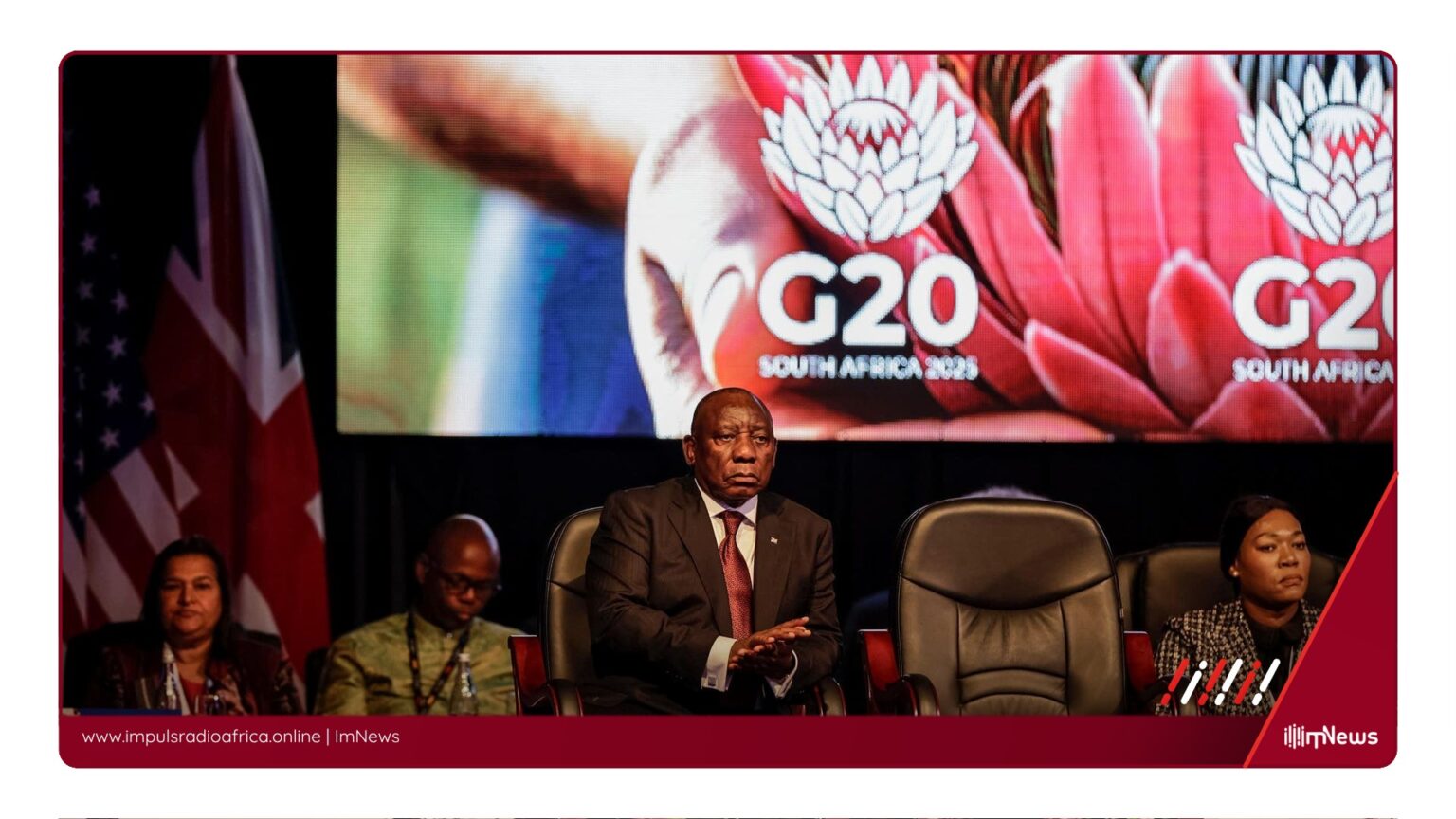
Africa’s Debt Crisis: South Africa’s G20 Legacy and the Path to Sustainable Solutions BODY: Pretoria, South Africa – The continent of Africa stands at a critical juncture, facing a profound debt crisis that has been exacerbated by external shocks and internal economic challenges.
As the continent enters 2026, the urgency to address this crisis is paramount. During its tenure as the G20 presidency in 2025, South Africa championed two critical financial priorities: ensuring debt sustainability for low-income countries and mobilizing finance for a just energy transition. While South Africa’s G20 presidency has concluded, the nation’s dedication to tackling Africa’s financial challenges persists.
The legacy of South Africa’s G20 presidency is marked by the establishment of four overarching priorities, with a focus on finance. These priorities aimed to “ensure debt sustainability for low-income countries and mobilize finance for a just energy transition, “as outlined on the presidency’s official website.
The momentum built during this period is not to be underestimated. South Africa’s advocacy for African financial challenges continues through its participation in the G20 and other international forums. This proactive approach is essential, as the debt crisis diverts funds from social services and economic stimulation, leading to job losses, reduced tax revenue, and slower growth.
The World Bank’s Debt & Fiscal Risks Toolkit offers a comprehensive framework for understanding the complexities of the debt crisis and guiding borrowing decisions. This toolkit underscores the intricate nature of the problem and the necessity for a multifaceted solution. Regional solutions are also crucial, as highlighted by the Atlantic Council in a report analyzing the debt crisis.
The council emphasizes the importance of a collective approach, leveraging the strengths and resources of the region to address the crisis.
As Africa confronts this debt crisis, the international community must acknowledge the role of external factors in exacerbating the situation. It is a multifaceted challenge that requires a coordinated effort from African leaders, the international community, and institutions such as the IMF and World Bank.
The road ahead is fraught with challenges, but the momentum generated by South Africa’s G20 presidency offers a glimmer of hope.
The continent’s ability to navigate this crisis and emerge stronger hinges on the collective efforts of its leaders, the international community, and relevant institutions.
As Africa looks to the future, it must continue to advocate for sustainable solutions that protect its economic stability and social well — being. South Africa’s role in leading this effort, even beyond its G20 presidency, is a testament to the nation’s commitment to the African continent.
The continent can take heart in the fact that while the challenges are great, so too is the resolve to overcome them.
*Additional reporting by ImNews | Sources consulted: 5*
—
This original article was produced by the ImNews editorial team
Source: Danny Bradlow