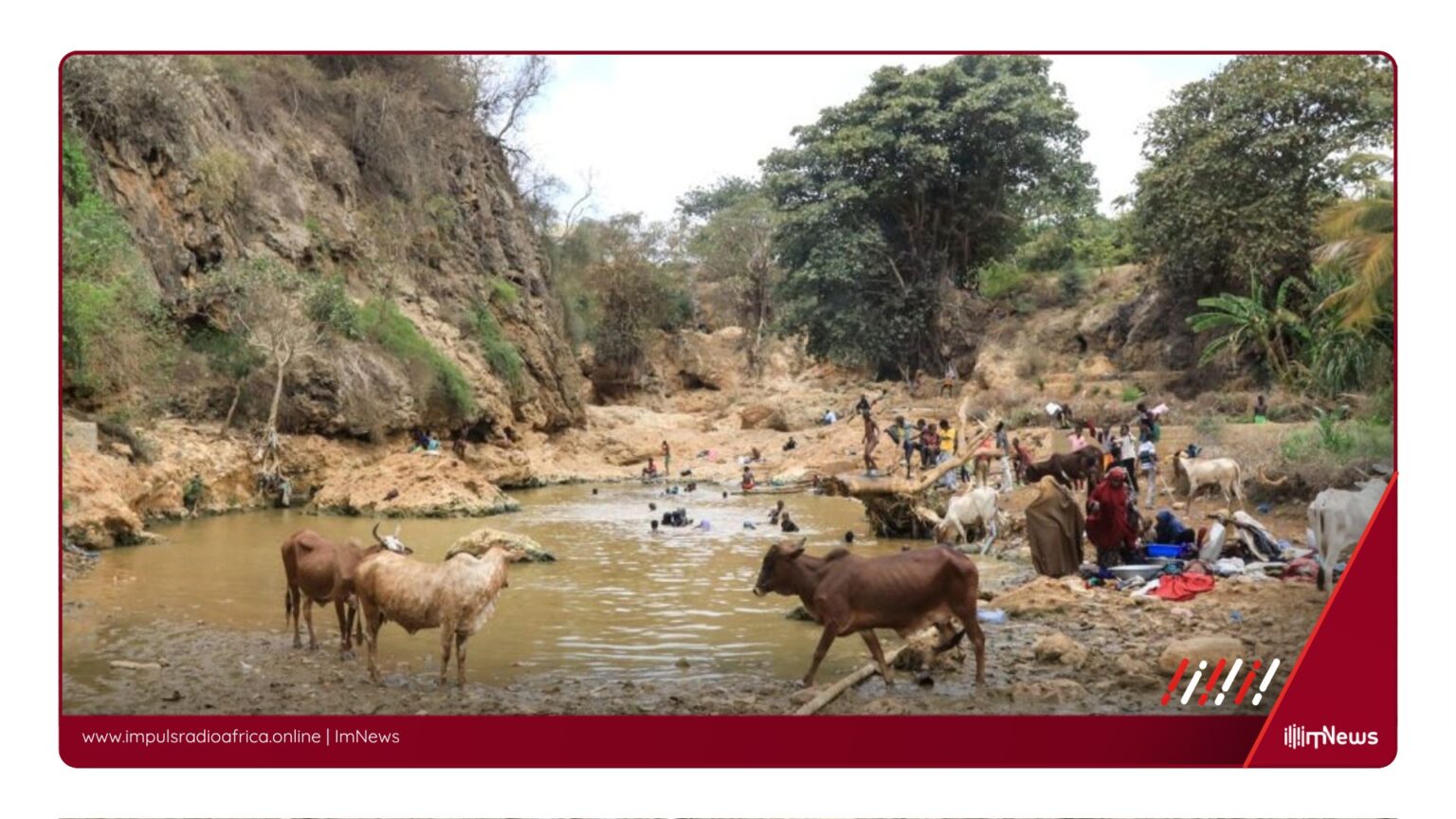
The situation is expected to worsen, with projections indicating that an additional 125,000 people may be displaced in the coming months, if the Gu rainy season fails to bring sufficient rainfall.
The districts of Baidoa, Dayniile, Kahda, Diinsoor, and Doolow are among the worst — affected, experiencing crop failure and livelihood collapse due to the lack of water, degraded grazing conditions, and diminished agricultural production. Manuel Pereira, Chief of Mission for IOM Somalia, expressed grave concern: “Drought is already forcing tens of thousands of people from their homes, and many more could be displaced in the months ahead. Without swift action, drought will continue to uproot communities, deepen hunger, and increase vulnerability across Somalia, particularly for the most vulnerable.
” The humanitarian crisis in Somalia is further exacerbated by the country’s limited infrastructure and scarce water resources. With the drought expected to persist, the urgency for life-saving humanitarian assistance and long-term investments in water infrastructure and drought-resistant livelihoods is more pronounced than ever.
The IOM, through its Rapid Support Mechanism, is working alongside partners to provide immediate relief, including emergency shelter, water, and non — food items.
However, the scale of the crisis is outpacing available resources, leading to overcrowded displacement sites and informal settlements, where families grapple with limited access to safe water, sanitation, and adequate shelter.
The international community is called upon to respond swiftly and sustainably to the crisis, emphasizing the need for increased funding, improved infrastructure, and targeted interventions that address both the immediate humanitarian needs and the structural vulnerabilities that make Somalia’s population so vulnerable to climate shocks.
As the world watches the unfolding tragedy, the situation in Somalia underscores the imperative for robust climate adaptation and resilience — building efforts to withstand the increasing intensity of climate-related disasters.
*Additional reporting by ImNews | Sources consulted: 5*
—
This original article was produced by the ImNews editorial team
Source: reliefweb
Source: International Organization for Migration