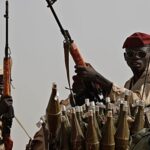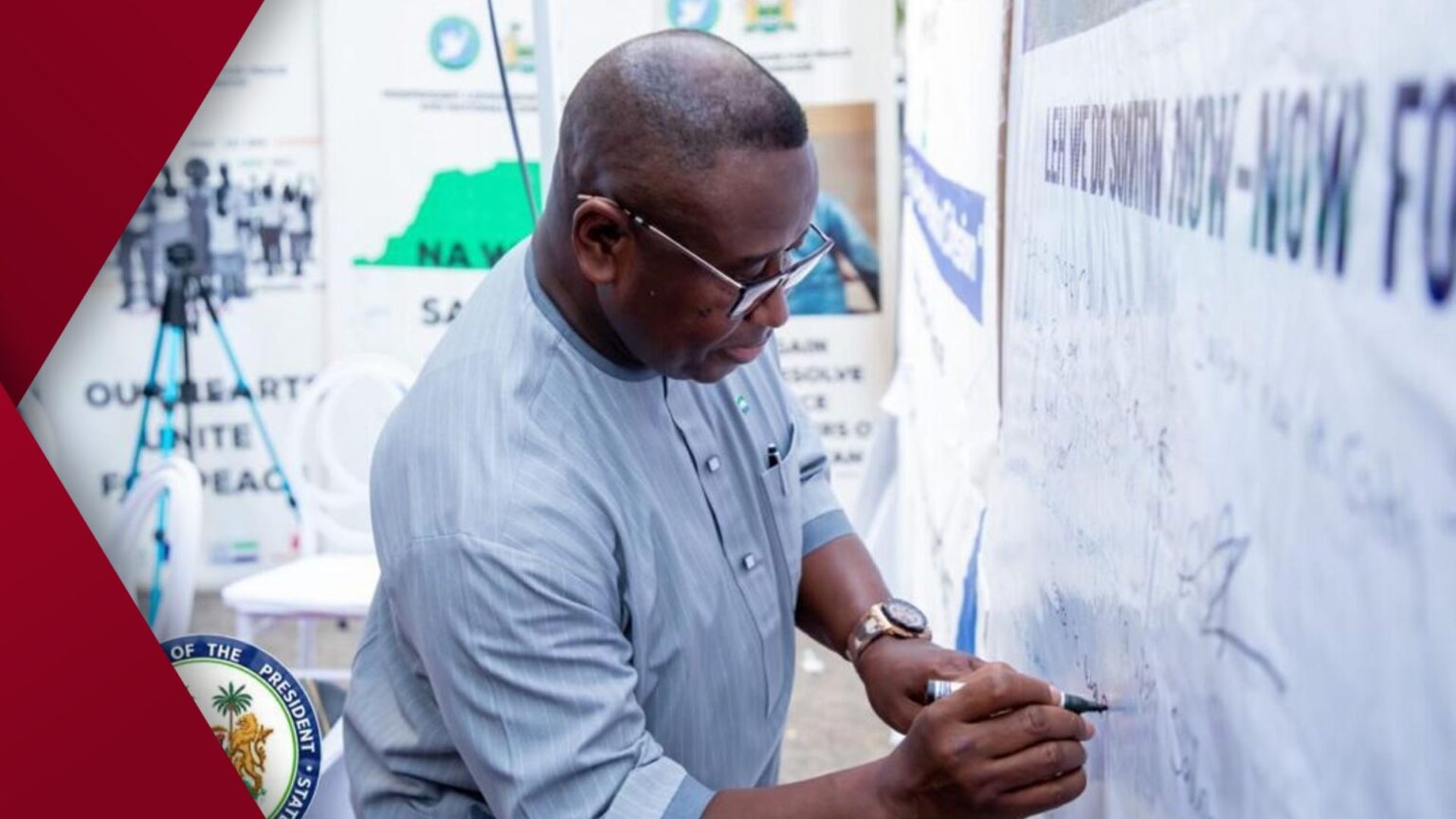
Sierra Leone Observes First National Remembrance Day Amid Mixed Reactions. Freetown, Sierra Leone — Sierra Leone marked its first National Remembrance Day on January 6, a day intended to honor the nation’s past and reflect on the legacy of its 11-year civil war, which concluded in 2002.
The event, declared by President Julius Maada Bio, has sparked a range of reactions, from hope for national healing to concerns about the day’s true significance.
The National Remembrance Day is seen by some as a significant gesture to confront the nation’s past.
According to local reports, it is a day to remember the horrors and losses associated with the war, a period marked by terror and loss.
However, there is also a debate about whether this day should be a day to remember or a day of forgetting.
In a poignant moment, Mohammed Tarawallie, President of the War Wounded Association, expressed his disappointment over a missed opportunity at the State House White Ribbon programme. Despite being present at an event meant to symbolize healing and unity, Mr. Tarawallie, who lost both arms during the war, was not afforded the chance to speak with the President.
This has raised questions about the inclusivity and sincerity of the remembrance efforts.
According to Ishmael Sallieu Koroma, a pupil barrister at Tanner Legal Advisory, the remembrance should not be confined to official speeches and controlled events. He argues that it should be a national public holiday, allowing every Sierra Leonean the time and space to reflect, engage, and participate.
Koroma emphasizes that remembrance must center the victims, including town hall meetings across the country where survivors can recount their ordeals.
The perspective of many war victims is one of persistent bitterness, born not of hatred but of neglect. Despite promises made by successive governments, sustainable livelihoods, psychosocial support, and long-term care remain largely absent for many survivors.
This has led to concerns that remembrance risks becoming performative rather than transformative.
The government has not yet commented on these concerns, and the public’s perception of the National Remembrance Day remains to be fully understood.
As the nation grapples with its past, the future of this annual event and its impact on national healing are yet to be determined.
Further details are expected as the day continues to unfold.
The significance of January 6 in Sierra Leone’s history awaits official confirmation, and the government’s plans for commemorating the day are yet to be disclosed.
.
Source: Ishmael Sallieu Koroma, pupil barrister at Tanner Legal Advisory, Bockarie Chambers, based in Freetown.
*Additional reporting by ImNews | Sources consulted: 3*