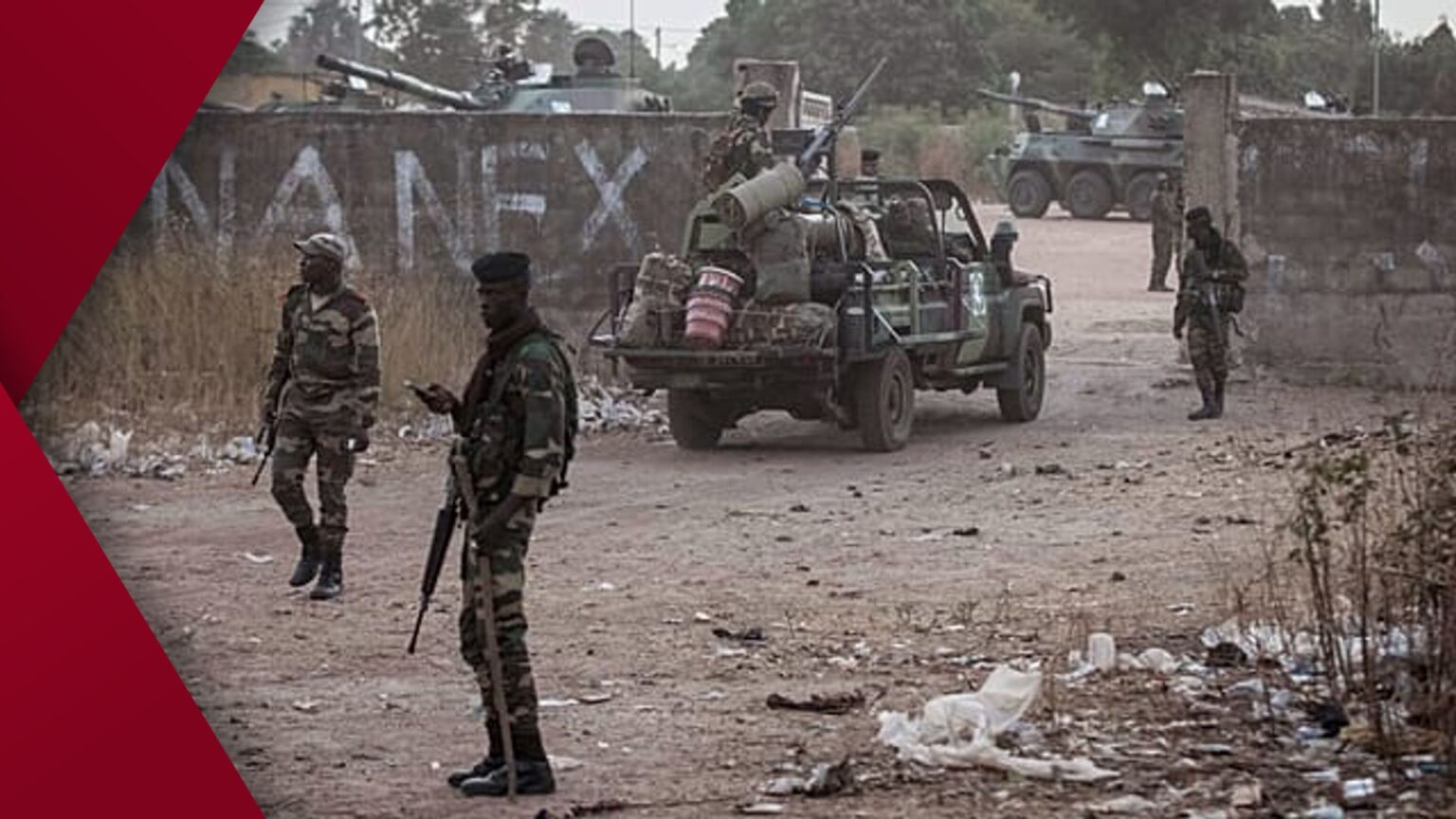
Senegalese Soldier Dies in Anti — Cannabis Operation in Casamance. Dakar, Senegal — Lead Paragraph: A Senegalese soldier was killed and six others injured in a clash during anti-cannabis operations in the Casamance region, according to the Senegalese army.
The incident occurred on Wednesday in the Kadialock area, where military forces encountered armed individuals.
The army continues its efforts to combat cannabis cultivation and track down armed groups, aiming to secure local populations and their property. Casamance, Senegal’s southernmost region, is bordered by The Gambia and has a distinct culture and language derived from its history as a Portuguese colony.
The region has been the site of one of Africa’s longest-running conflicts, which began in 1982 when separatist rebels retreated into the bush following protests.
The conflict has taken thousands of lives and severely damaged the local economy, although the level of violence has decreased in recent years.
The Senegalese army has been engaged in operations to dismantle cannabis fields, which are believed to be associated with illicit trafficking.
The rebels in Casamance are accused of engaging in cannabis and timber trafficking, and of finding refuge in neighboring countries such as The Gambia and Guinea — Bissau.
In February, separatists and Senegalese authorities signed a peace agreement following their first public talks since the new government was appointed in March last year.
The army’s statement indicates that the operation was met with resistance, resulting in the death of the soldier and injuries to six others. Some of the attackers were also reported to have been killed.
The army is committed to continuing its operations to ensure the safety and security of the local population and to disrupt illegal activities in the region.
The situation in Casamance remains fluid, with the Senegalese army continuing its efforts to maintain peace and stability. Further details are expected as the investigation into the incident unfolds.
The government’s commitment to addressing the illicit activities in the region is clear, but the path to long-term peace and economic recovery remains complex and challenging.