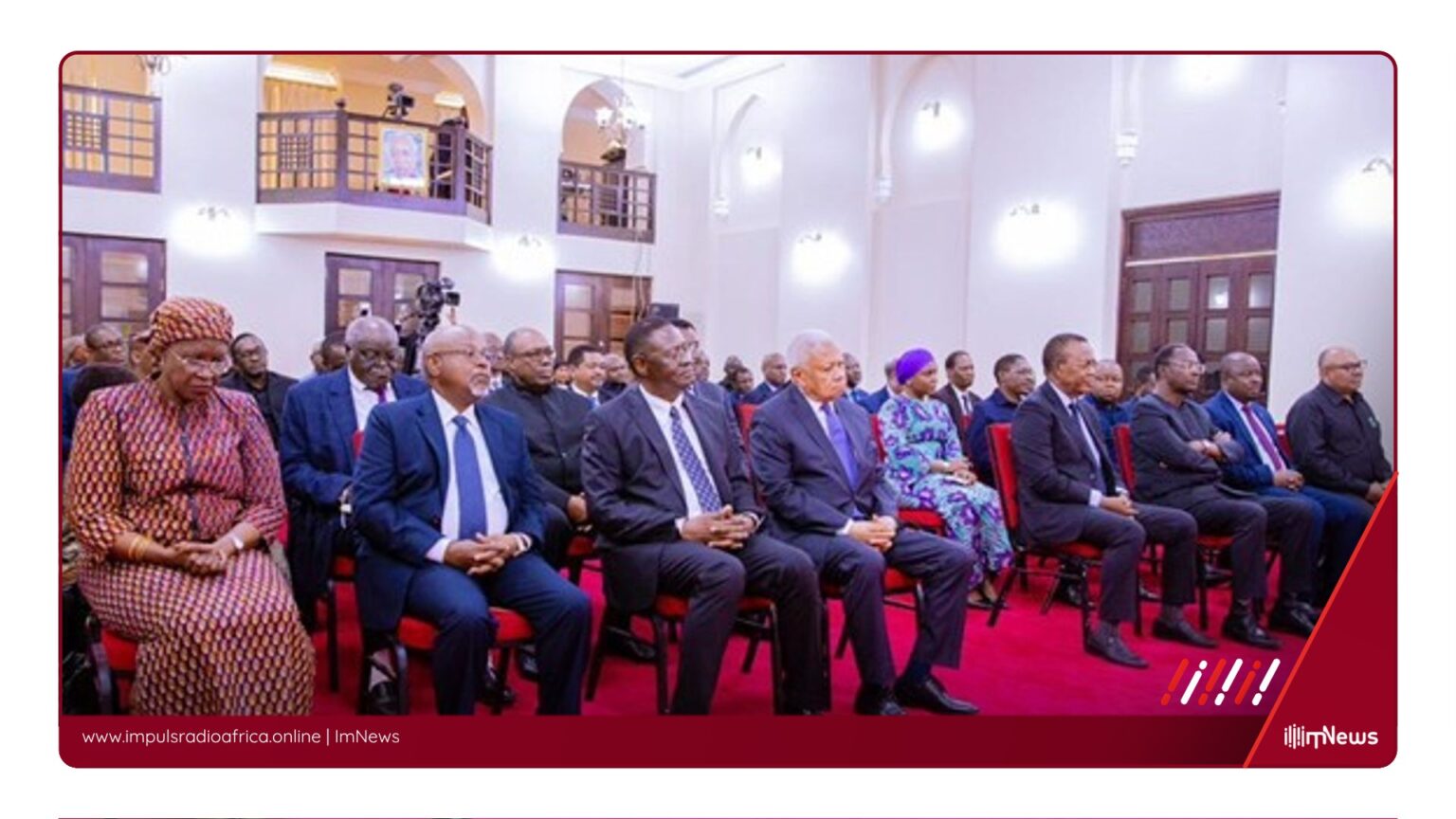
Tanzania’s Commission of Inquiry, established to investigate the violence that followed October’s elections, has once again extended its mandate by an additional 21 days. The commission cited the overwhelming volume of testimonies and the need for further forensic analysis as the reasons for the delay. This move, which comes as no surprise to a skeptical public, has been perceived as a stall tactic rather than a procedural due diligence.
Launched in November 2025 by President Samia Suluhu Hassan, the commission’s initial task was to delve into the post-election violence. The volatile situation, marked by allegations of contested participation and widespread abuse, demands clarity. However, the public has been met with nothing but delays and opaque updates, further eroding trust in the government.
While the government maintains that it is adhering to due process and protecting witnesses, there is a lack of transparency regarding the allegations documented by groups such as the United Nations. Security agencies have offered no accountability or explanations for their conduct under scrutiny. The government’s view on the matter remains poorly articulated, with public sentiment being invoked but rarely evidenced in specifics.
The High Court in Dar es Salaam recently approved a request by activists to challenge the commission, but it also refused to halt its operations. The case, filed by Rosemary Mwakitwange and advocates Edward Heche and Deogratius Mahinyila, targets both the Attorney General’s office and the commission, whose members include top state officials and legal authorities. The scope of the dispute underscores the high stakes involved.
The court’s decision to allow the commission to continue its work, despite the pending challenge, highlights the tension between urgency and public interest. Critics, including the Tanganyika Law Society and activist Maria Tsheai Sarungi, have expressed concerns about the commission’s independence and the potential for instability. Sarungi warns that the commission’s failures could lead to instability, emphasizing the need for proactive communication and leadership.
The lengthy deferment, lack of openness, and increasing legal threats have raised questions about the commission’s credibility. The law grants the executive the ability to withhold or postpone the publication of the final report, a power that now hangs over the commission. In a country still addressing the legacy of political violence, the focus shifts from the timing of the report’s release to whether it will ever find meaningful expression.
Source: Panafricanvisions