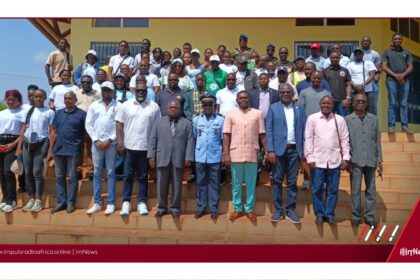
Rabat, Morocco — Nestled in the verdant landscapes of Tinghir province, the Ikniouen commune has emerged as a beacon of Morocco’s thriving saffron industry. This rural community, known for its golden threads, is at the forefront of a growing agricultural sector that has captured the attention of the world.
Saffron, often referred to as the “red gold” of Morocco, is not just a crop but a symbol of the nation’s rich culinary heritage and its commitment to sustainable farming practices. The Ikniouen commune, along with other regions like Taliouine, Imilchil, and Taznakht, has been instrumental in elevating Morocco’s status as one of the world’s leading saffron producers.
The journey of saffron from field to table is a testament to the meticulous care and dedication of the local community. The cultivation cycle begins in July or August with the weeding of unwanted plants, a task that requires precision and attention to detail. The peak of the harvest occurs in October and November, with the most labor-intensive work carried out by women, who meticulously pluck the delicate red stigmas from the purple flowers before sunrise.
This process, deeply rooted in tradition, is not only a source of income but also a means of empowerment for women in rural Moroccan communities. The cooperative approach to saffron harvesting has fostered a sense of self-reliance and has become a significant driver of economic growth.
Morocco’s saffron industry is not just a local success story; it is a global phenomenon. The nation currently ranks fourth in the world in saffron production and aims to expand its cultivation area to 3,000 hectares by 2030, aiming to increase production to 13.5 tonnes. This ambitious goal reflects the country’s commitment to sustainable development and its desire to secure its place as a key player in the global agricultural market.
The cultural significance of saffron in Morocco cannot be overstated. It is a staple in the nation’s cuisine, used in dishes like tagine and couscous, and it is also celebrated in traditional medicine and rituals. The harvest is more than a seasonal event; it is a celebration of heritage and community spirit.
The rise of saffron tourism in the region has also opened new avenues for economic development. Visitors are now able to experience the traditional practices firsthand, engaging with local families and witnessing the intricate process of saffron cultivation.
As the Ikniouen commune and other regions in Morocco continue to flourish, it is clear that the “red gold” has become much more than a crop; it is a symbol of the nation’s resilience, innovation, and cultural richness.
Source: Africa
Additional reporting by ImNews