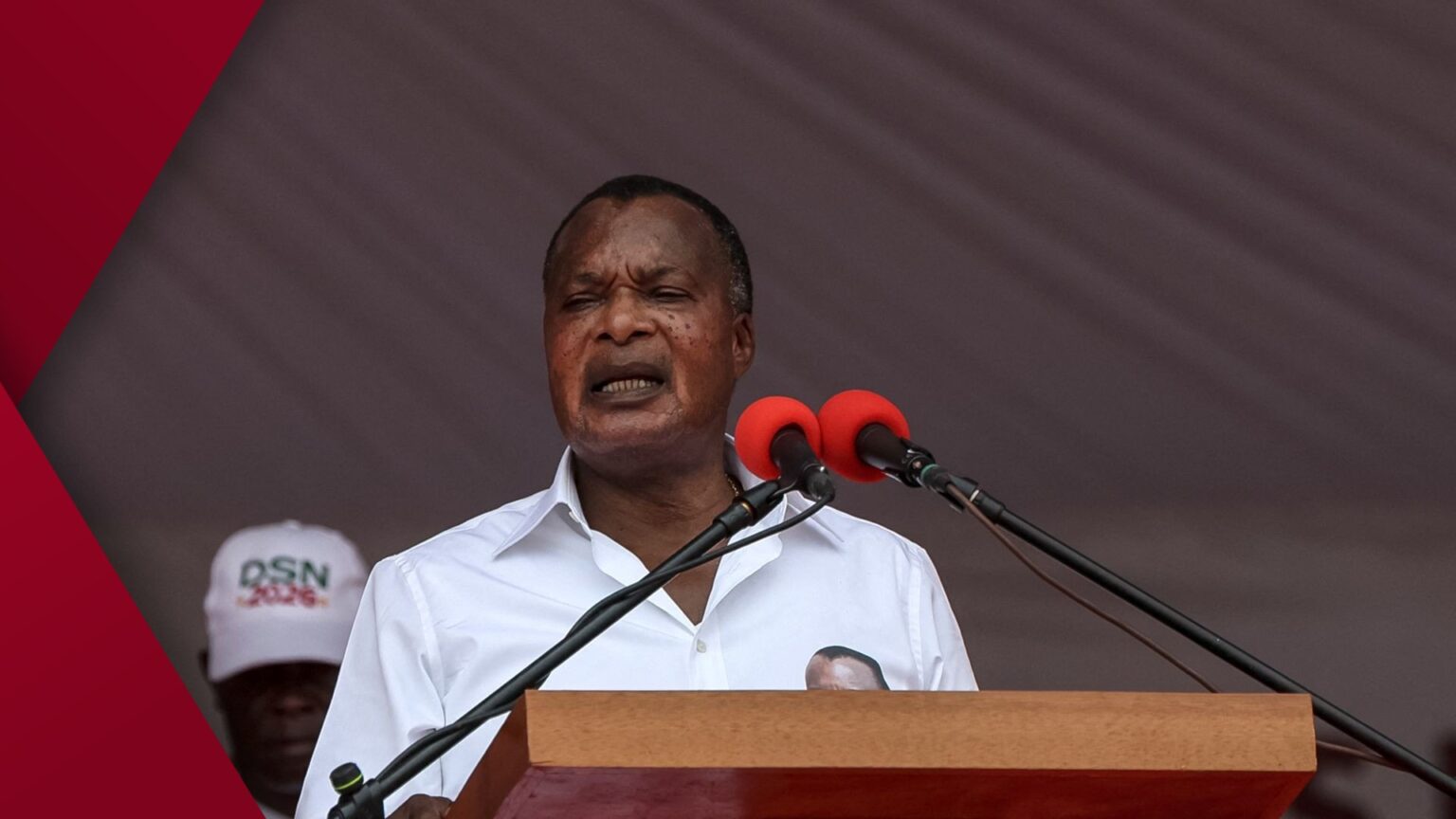
Republic of Congo Votes in Election Expected to Extend Sassou’s Rule. Brazzaville, Republic of Congo — The Republic of Congo is holding a presidential election on Sunday, March 13, that is widely anticipated to extend the rule of President Denis Sassou Nguesso by another five years. Sassou, who has been in power for nearly 42 years, is running against six lesser-known candidates, with little active opposition and little uncertainty about the outcome.
Polls opened at 7 am local time and will close at 6 pm. Over 3. 2 million Congolese citizens are registered to vote, although analysts and civil society groups expect the turnout to be lower than the nearly 68 percent recorded in the previous election in 2021, when Sassou won with 88.
4 percent of the vote.
The Republic of Congo, a significant oil producer in sub — Saharan Africa and a producer of liquefied natural gas (LNG), is known for its repressive political environment. It was rated 17 out of 100 for freedom by Freedom House, one of the most politically repressive countries in the world.
Sassou, 82, came to power in 1979 and has governed almost continuously since, with a brief hiatus in the 1990s.
The incumbent is facing six candidates, none of whom are seen as a significant threat. Sassou has been the only candidate to campaign across the country, with roads in the capital city, Brazzaville, lined with his effigies.
The country’s electoral bodies are dominated by figures aligned with the ruling Congolese Labour Party. Two major parties are boycotting the elections, citing allegations of unfair electoral practices. Two of the country’s best-known opposition leaders are currently in prison, while others are in exile.
Gilbert, a 44-year-old civil servant from Brazzaville, expressed skepticism about the potential for change. “At my age, believing that these elections will change our daily lives would be almost suicidal,” he said adding that he has known the same leader all his life. Rights groups have reported a narrowing of the political space in recent years, with arrests of activists and suspensions of parties.
Prime Minister Anatole Collinet Makosso dismissed accusations of pro — Sassou bias, stating that Congo’s oversight bodies would ensure a transparent and fair election. Sassou has campaigned on continuity, promising to accelerate development projects and expand access to education and professional training.
The economy, which is heavily dependent on oil, has stabilized in recent years but still faces challenges, with 52 percent of the population living in poverty, according to the World Bank.
Provisional electoral results are expected within 48 to 72 hours after polls close.