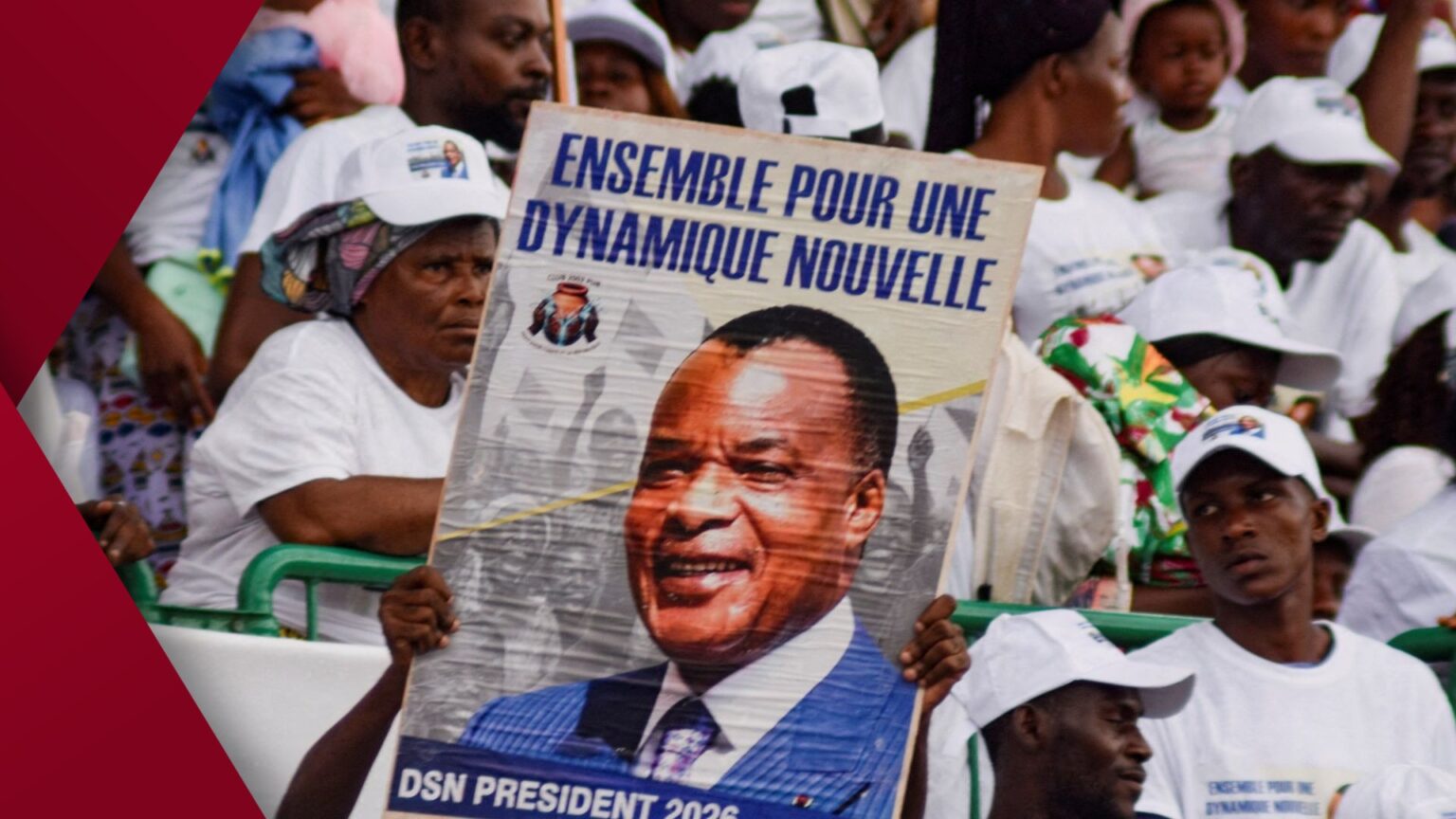
Brazzaville, Congo — Voters in the Republic of Congo will cast ballots on 15 March in a presidential election dominated by 82-year-old incumbent Denis Sassou Nguesso, who has held power for more than four decades. Official statements indicate that polls will operate from 06:00 to 18:00 local time and that borders will close for the day. Just over 2.
6 million citizens are registered to vote, according to the national electoral commission. Six candidates besides Sassou Nguesso submitted papers before the deadline.
The youngest, 35-year-old fuels engineer Melaine Deston Gavet Elengo, leads the Republican Movement and is campaigning on pledges of transparent budgeting and judicial independence.
Sources close to opposition circles say dissidents from the boycotting UPADS party could boost his share above 20 percent, a figure that could not be independently verified.
The other contenders include veteran lawmaker Joseph Kignoumbi Kia Mboungou, economist Uphrem Dave Mafoula, university lecturer Vivien Romain Manangou, former customs inspector Mabio Mavoungou Zinga, and fourth — time hopeful Anguios Nganguia Engambe. None of the five secured more than one percent of votes in 2021, according to official returns.
Sassou Nguesso first took office in 1979, lost an election in 1992, and returned through civil conflict in 1997.
Several prominent opponents, including former army chief Jean — Marie Michel Mokoko and ex-minister André Okombi Salissa, remain in prison after 2016 convictions on state-security charges, facts confirmed by court documents. Oil provides roughly four-fifths of export income, the World Bank states, yet half of the 6 million inhabitants live below the national poverty line and analysts estimate unemployment near 40 percent.
Government communiqués say liquefied-natural-gas exports began in 2024, while plans to expand cassava, maize and fish farming have been announced to ease food imports.
Results are normally announced within 48 hours of poll closure; an absolute majority winner avoids a second round. Authorities have not publicly detailed observation arrangements, and further details were not immediately available.