Yaoundé, Cameroon — WTO Ministers Convene for Crucial Meeting Amidst Reform Uncertainty. City, Cameroon — Ministers from the World Trade Organisation’s (WTO) 166 member states are assembling in Yaoundé, Cameroon, for a pivotal ministerial conference that could redefine the future of the global trading body.
The meeting, scheduled from March 26 to 29, comes at a time when the WTO faces significant challenges, including deepening divisions over much-needed reforms.
The Yaoundé gathering aims to agree on a roadmap for future action, rather than implementing reforms outright, reflecting the ongoing lack of unity among member states. At the heart of the discussions is a draft reform plan prepared by Petter Øllberg, Norway’s ambassador to the WTO, who has been working to broker consensus over the past nine months. Despite a majority of members supporting the plan, disagreements persist, particularly between major players like the United States and India.
The draft plan focuses on three key areas: the WTO’s decision-making system, development policy, and addressing market distortions linked to state intervention.
The decision — making system, which operates on consensus, has long been criticized for slowing progress. While no country openly challenges the principle, several, including the United States and the European Union, are pushing for more flexible approaches, such as plurilateral agreements involving smaller groups of willing countries.
Development policy is another contentious issue, particularly the criteria that allow developing countries to benefit from special and differential treatment.
This issue remains highly sensitive, as some advanced economies argue that large emerging economies should no longer enjoy the same concessions as smaller or poorer nations.
The third focus area is “levelling the playing field, “which includes improving transparency and addressing market distortions linked to state intervention, a concern often directed at China’s economic model.
Another critical issue is the WTO’s dispute settlement system, which has been effectively paralysed since 2019 after the United States blocked the appointment of judges to its appellate body. Failure to address this issue risks undermining the WTO’s core function as an arbiter of global trade disputes.
Negotiations are further complicated by a growing deadlock between the United States and India on several key issues, including a proposed agreement on investment facilitation and the future of the moratorium on e — commerce tariffs.
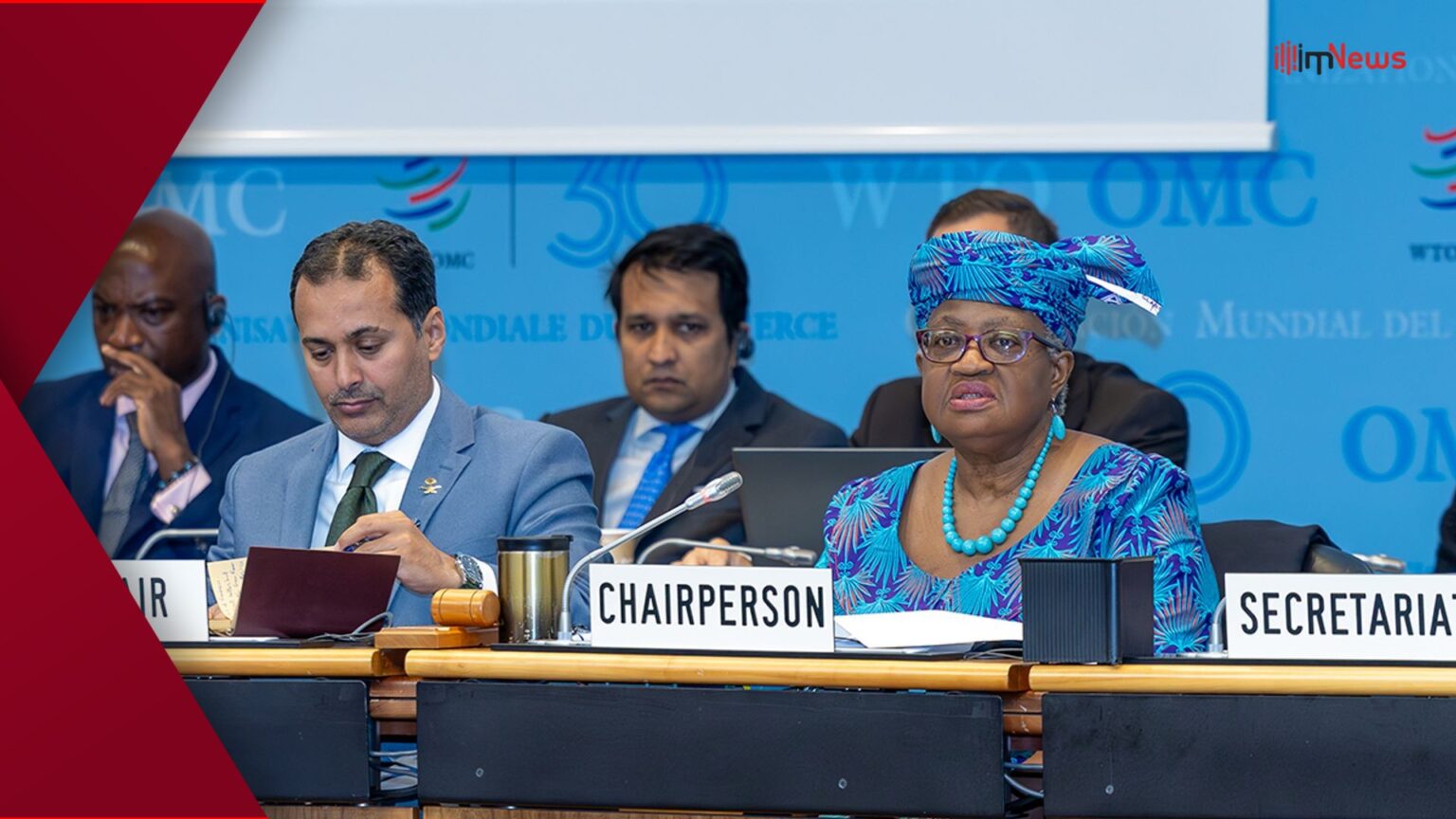
WTO Director — General Ngozi Okonjo-Iweala has called on member states to seize the opportunity presented by the Yaoundé meeting to deliver concrete results. “
The WTO has long spoken of unfinished negotiations and long — overdue reform, yet too often our promises have outpaced our results, “she said urging ministers to ensure that “this time is different.”
The coming days will test whether compromise is achievable, with the fate of the WTO’s relevance and effectiveness hanging in the balance.
Further details are expected as the negotiations unfold.