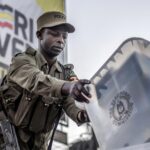
Kampala, Uganda — Voting began at dawn on 15 January under a nationwide internet blackout ordered two days earlier, as President Yoweri Museveni seeks to extend a tenure that began in 1986. Local sources report that polling sites in the capital opened after 07:00, with uniformed police and army units visible on surrounding streets.
The Uganda Communications Commission told operators to suspend public data services, citing the need to curb “misinformation and electoral fraud.
” Independent observers say the measure leaves the country cut off from real-time external scrutiny. Electoral rolls list more than 21 million voters.
The dominant challenger is musician — turned-legislator Bobi Wine, who claims hundreds of his agents have been detained in recent weeks.
According to local reports, he appeared at rallies wearing a flak jacket and told supporters the contest amounts to “a war” against what he calls a militarised state. Government officials have not responded to the allegation.
The United Nations Human Rights Office issued a statement on the eve of the vote, stressing that “open access to communication & information is key to free & genuine elections.
” Amnesty International described the blackout as “a brazen attack on the right to freedom of expression,” warning that blanket shutdowns disrupt both livelihoods and the flow of vital safety information.
A national newspaper printed a full — page advisory titled “election-proof your home,” advising residents to reinforce doors and designate safe rooms, reflecting public anxiety over possible street unrest. Previous elections in 2006, 2011 and 2021 were accompanied by opposition arrests, social-media blocks and lethal protests.
Official statements indicate that results will be released after polling stations close, but no time has been given.
Further details are expected as the electoral commission tallies returns.
*Additional reporting by ImNews | Sources consulted: 5*