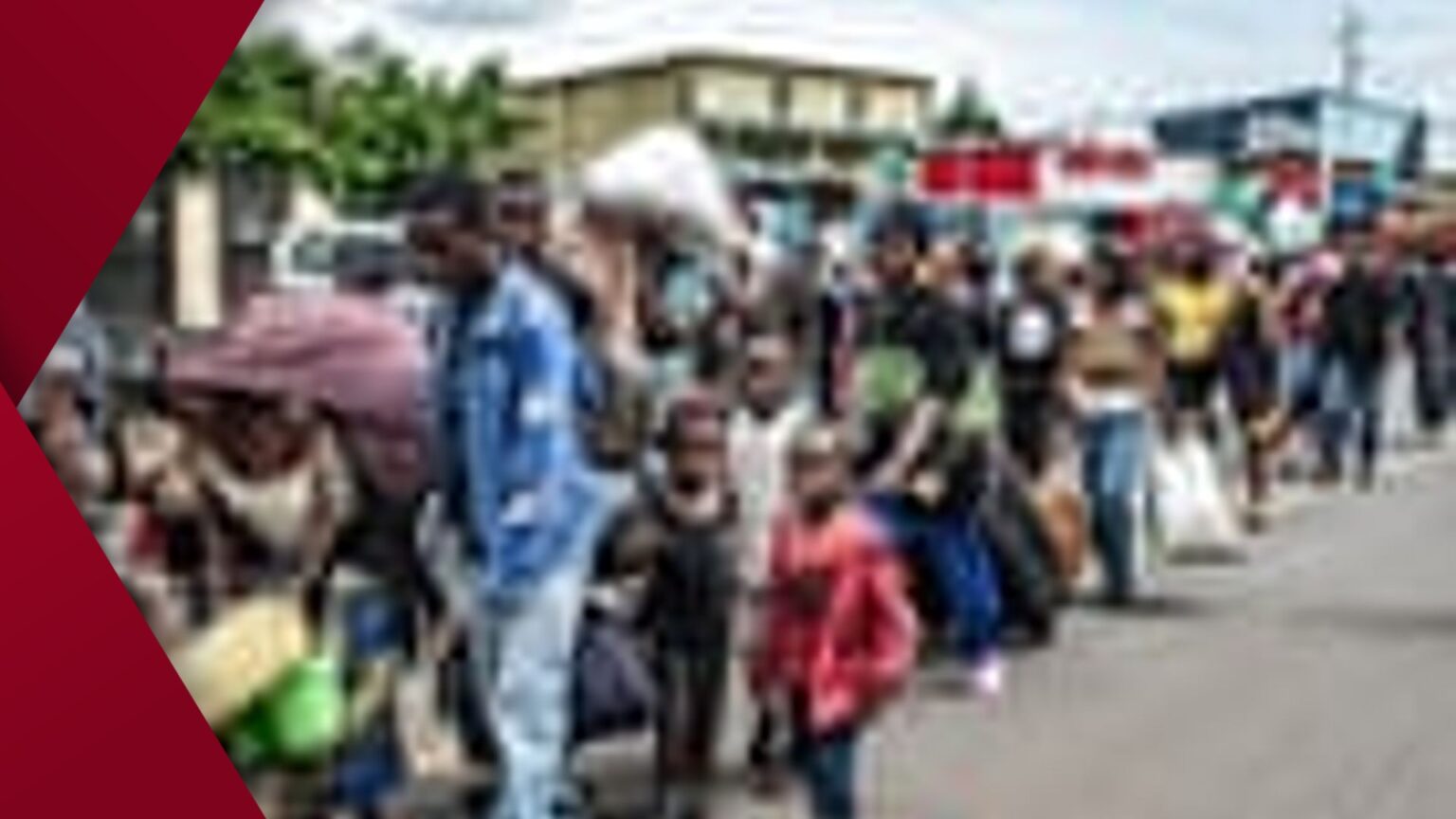
Kigali, Rwanda — Amidst a backdrop of renewed conflict, hundreds of civilians have been compelled to seek refuge in Rwanda, just a day following the signing of a much-anticipated peace agreement in Washington, D.C. This stark reversal of fortune underscores the enduring volatility in the region and raises questions about the efficacy of international diplomacy in resolving Africa’s longest-running conflicts.
The peace deal, brokered by the United States and involving the African Union and Qatar, was intended to bring an end to the protracted violence between the Congolese armed forces and the Rwanda-backed M23 rebel group. However, on December 5, 2025, reports of intensified fighting in Kamanyola and Katogota in South Kivu emerged, leaving many to question the sincerity of the peace agreement.
Local residents and civil society groups have reported that at least 20 civilians, including women and children, have fallen victim to the renewed hostilities. The Congolese army and M23 rebels have exchanged accusations of violating the ceasefire, with the former claiming that the rebels bombed schools, while M23 asserts that the shelling originates from Burundian Army positions.
Skepticism among the civilian population in Goma, the regional capital, is palpable. Many residents believe that the peace deal is merely a superficial measure, and they remain apprehensive about the possibility of renewed conflict. “We are still waiting for real change on the ground,” expressed a local resident, “and we fear that the war will start again despite the peace process.”
The peace agreement, which was signed by Congolese President Felix Tshisekedi and Rwandan President Paul Kagame in the presence of U.S. President Donald Trump, aimed to foster regional economic integration between the two countries, particularly in the trade of critical minerals. The deal was seen as a pivotal moment for stability in the region, but the recent escalation of violence casts doubt on its prospects for success.
Expert opinions suggest that the peace deal’s effectiveness is contingent upon the commitment of all parties involved to adhere to its terms. “The challenge now lies in ensuring that the ceasefire is not just a temporary truce but a genuine step towards long-term peace,” commented a regional security analyst.
As the situation unfolds, the international community, particularly the United States and the African Union, will be closely monitoring the situation in eastern DR Congo. The fate of the peace deal and the future of the region hangs in the balance, with the lives of countless civilians hanging in the balance.
Source: The Guardian
Additional reporting by ImNews