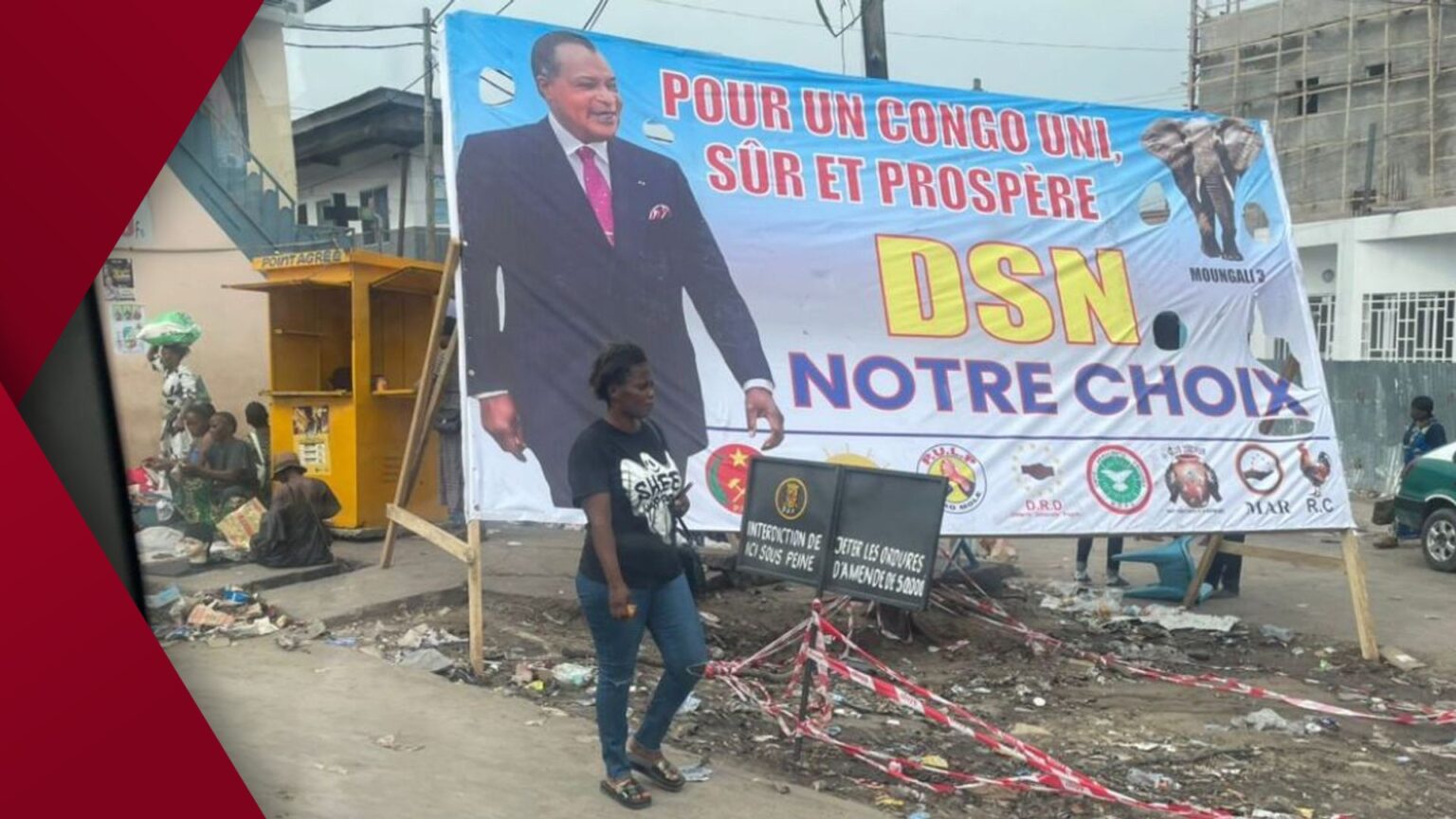
Brazzaville, Republic of Congo — Denis Sassou Nguesso’s Decades-Long Rule in Jeopardy as Election Approaches. Brazzaville, Republic of Congo — As the Republic of Congo prepares for its presidential election this weekend, many citizens express a sense of disillusionment and skepticism about the prospect of change. President Denis Sassou Nguesso, who has been in power for 40 years, is seeking another term, despite the country’s persistent economic and social challenges.
In the capital city, posters of the seven main candidates are displayed, but the mood among voters is one of indifference. Fortune, a 27-year-old unemployed university graduate, reflects the widespread sentiment: “When you see how money is spent during the campaign, you wonder if those in power really care about the living conditions of the population.”About half of Congo’s population of six million lives below the poverty line, despite being the third-largest oil producer in sub-Saharan Africa.
Gilbert, a 44-year-old civil servant, echoed the sentiment, saying, “I do odd jobs to supplement my income. At my age, believing that these elections will change our daily lives would be almost suicidal.”Nguesso, 82, first came to power in 1979 and has ruled the country without interruption since.
His political trajectory has been marked by two major constitutional revisions, allowing him to run for office repeatedly. His supporters credit his long tenure for the country’s stability in a region often marked by conflict.
However, independent observers have painted a more nuanced picture of the political situation.
Freedom House classified Congo as “not free, “and the Ibrahim Index of African Governance highlighted limited progress in democratic participation and political accountability.
The government’s official stance is that peace and institutional continuity are the main achievements of the Nguesso administration. But some analysts argue that this stability comes at the cost of political change.
Charles Abel Kombo, a Congolese economist and public policy observer, described the political system as a hybrid model, with a high degree of centralization of executive power.
The opposition is fragmented and weakened, with some parties boycotting the vote and prominent candidates in prison or exile. Clement Mierassa, opposition leader, called for essential reforms, including an independent electoral commission and reliable voter rolls, before participating in the election.
Despite these challenges, some candidates are choosing to participate, arguing that it is a way to defend political space and highlight the need for reform.
Christ Antoine Wallembaud, spokesperson for candidate Destin Melaine Gavet, stated, “The electoral system has flaws, but participating serves as a reminder of the need for reform.”
As the country faces economic challenges, including dependence on oil and high public debt, many Congolese are not hopeful that Sunday’s election will bring significant change. “.
We all understand the system in this country, “Fortune.”Further details are expected as the election approaches.