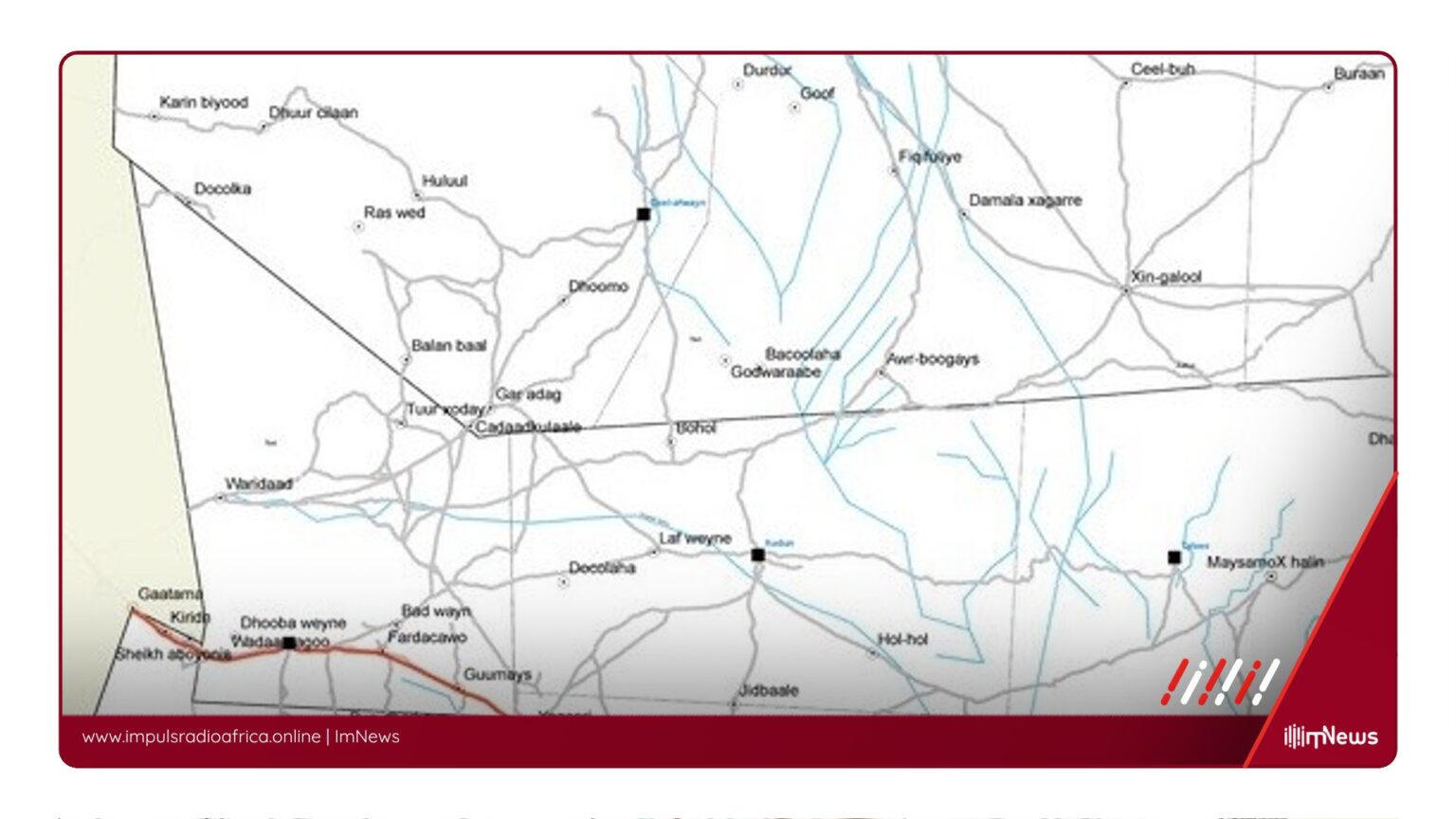
MOGADISHU, SOMALIA — Somalia’s nascent federal system is under scrutiny as the Northeast State finds itself excluded from the World Bank’s Bulsho project, a move that challenges the principles of equitable federalism.
The Bulsho project, a $35 million initiative aimed at fostering social cohesion and strengthening local institutions, has allocated $6 million to each of the six recognized federal member states, including Galmudug, Hirshabelle, Southwest, Jubaland, Puntland, and “Somaliland.”.
However, the Northeast State, despite its formal recognition by the Federal Government, has been notably absent from the distribution list. This exclusion has sparked a debate on the fairness and transparency of the current fiscal transfer formula in Somalia. Critics argue that the project’s allocation decisions are indicative of a system that prioritizes political considerations over the needs of all member states.
The Bulsho project’s focus on community and local institutions suggests an intent to promote social cohesion. Yet, the exclusion of Northeast State, which encompasses major population centers and commercial hubs, casts doubt on the project’s commitment to inclusivity.
The Federal Government’s role in the allocation of international funds is a matter of both legal and moral duty.
The fact that a state is newly established does not change its eligibility for such resources, as recognized by the Federal Government. Immediate action is required to rectify this imbalance.
The Federal Government must request an amendment to the approved project and commit a specific allocation for Northeast State, ensuring that all member states are included in such initiatives.
In the long term, Somalia needs a transparent, harmonized framework for managing international donor funds.
The formula must be agreed upon by all Federal Member States and based on objective criteria such as population, fiscal capacity, and service gaps.
The exclusion of Northeast State from the Bulsho project serves as a stark reminder of the need for a fair and transparent approach to federal transfers. It is a matter of principle, not convenience, and one that is crucial for the nation’s unity and the integrity of its federal system.
*Additional reporting by ImNews | Sources consulted: 5*
—
This original article was produced by the ImNews editorial team
Source: Panafricanvisions
Source: Pan African Visions