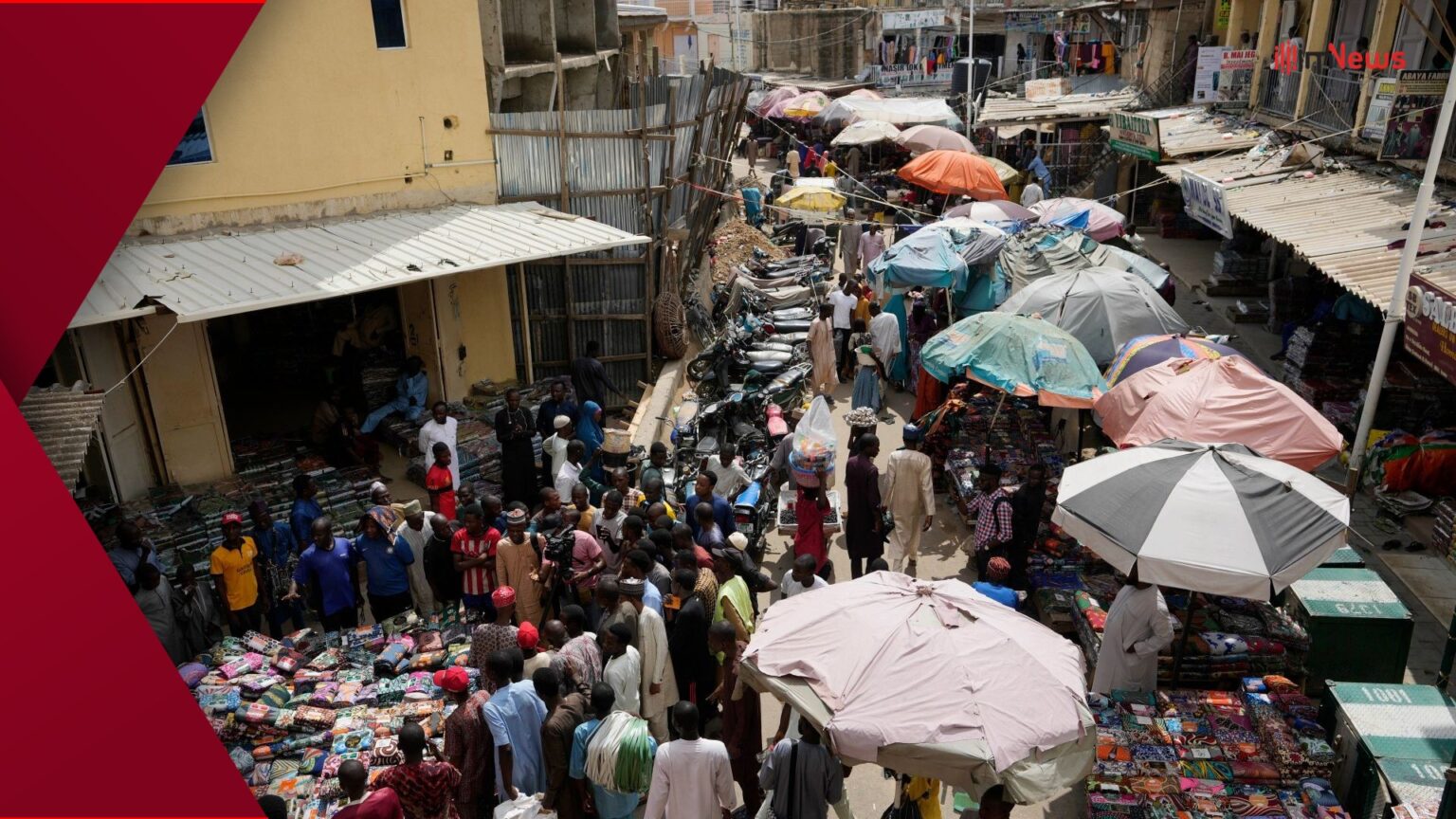
KANO, NIGERIA — The Sabon Gari Market in Kano state is a hub for Nigeria’s burgeoning e-waste crisis. Consumers like Marian Shammah, a 34-year-old cleaner, turn to second-hand electronics from the United States and Europe, often under the assumption they are more durable than new Nigerian products. However, these assumptions are proving costly and environmentally damaging.
The United Nations reports that approximately 60,000 tonnes of used electronics arrive in Nigeria annually, much of it damaged upon arrival. This influx, laden with hazardous materials, exacerbates Africa’s e-waste problems. The Basel Convention, an environmental treaty, restricts the transfer of such waste to developing countries with weaker environmental laws, but Nigeria remains a significant recipient, despite these restrictions.
The World Health Organization identifies used electrical and electronic equipment (EEE) as a growing public health threat across Africa, with Nigeria at the epicenter of the trade. Many imported appliances still contain banned refrigerants that pose health risks and contribute to environmental degradation. Informal recyclers, exposed to toxic fumes and heavy metals, face severe health risks while dismantling these electronics.
Dr. Ushakuma Michael Anenga, a gynecologist, warns of the health hazards associated with e-waste recycling. Despite regulations, the steady flow of substandard and hazardous goods remains largely unchecked, with enforcement challenges highlighted by suppliers mixing working and damaged items.
Shammah, now wary of second — hand electronics, reflects the broader impact of Nigeria’s e-waste crisis. The situation underscores the urgency for stricter import controls, proper certification, and warranties to protect consumers and the environment.
Source: aljazeera