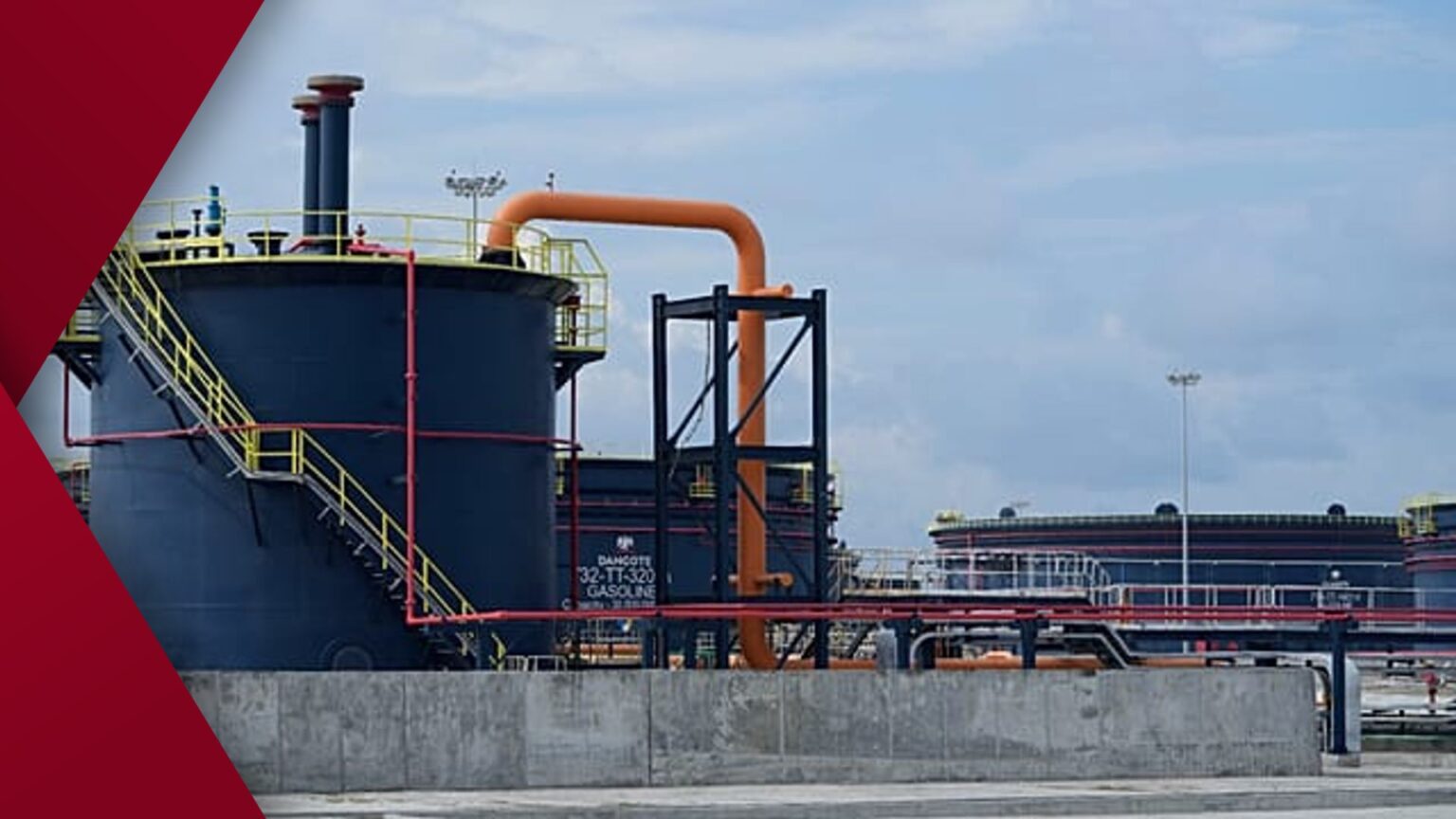
Nigeria: Dangote Refinery Bolsters Oil Supply Amid Iran Conflict. Lagos, Nigeria — March 11, 2026 — Amidst escalating tensions in the Middle East, Nigeria is turning to its own domestic resources to stabilize its oil market. Aliko Dangote’s refinery in Lagos, capable of processing up to 650,000 barrels of crude oil per day, has emerged as a critical player in ensuring the country’s fuel supply amid the U.
S. -Israel war on Iran.
The Dangote Refinery has recently adjusted its gasoline and diesel prices to align with the volatile crude oil market, marking a 100 naira reduction per liter for gasoline and a 190 naira reduction for diesel.
This move has been commended by the President of the Petroleum Products Retail Outlets Owners Association of Nigeria, Billy Gillis — Harry, who described the refinery as “our salvation” given the current global price fluctuations. Despite operating at full capacity, the new director of the Dangote Refinery expressed concerns over regulatory costs imposed by 47 government agencies, which he said are placing a significant burden on the company.
Additionally, the Dangote Group is required to purchase a portion of its crude oil internationally, a situation that has been exacerbated by the war’s impact on the Strait of Hormuz, a vital oil transport route.
The management of the Dangote Refinery is advocating for the preferential allocation of Nigeria’s crude oil to local refineries to bolster domestic production. This is in light of the significant drop in vessels traveling through the Strait of Hormuz, which has directly affected global oil prices.
In the face of these challenges, the Nigerian government has not yet commented on the potential implications for the national economy or the broader regional impact of the war on Iran.
As the situation develops, further details are expected to emerge regarding the country’s oil market stability and the role of the Dangote Refinery in maintaining supply. For now, the Dangote Group continues to play a pivotal role in Nigeria’s response to the international energy crisis.