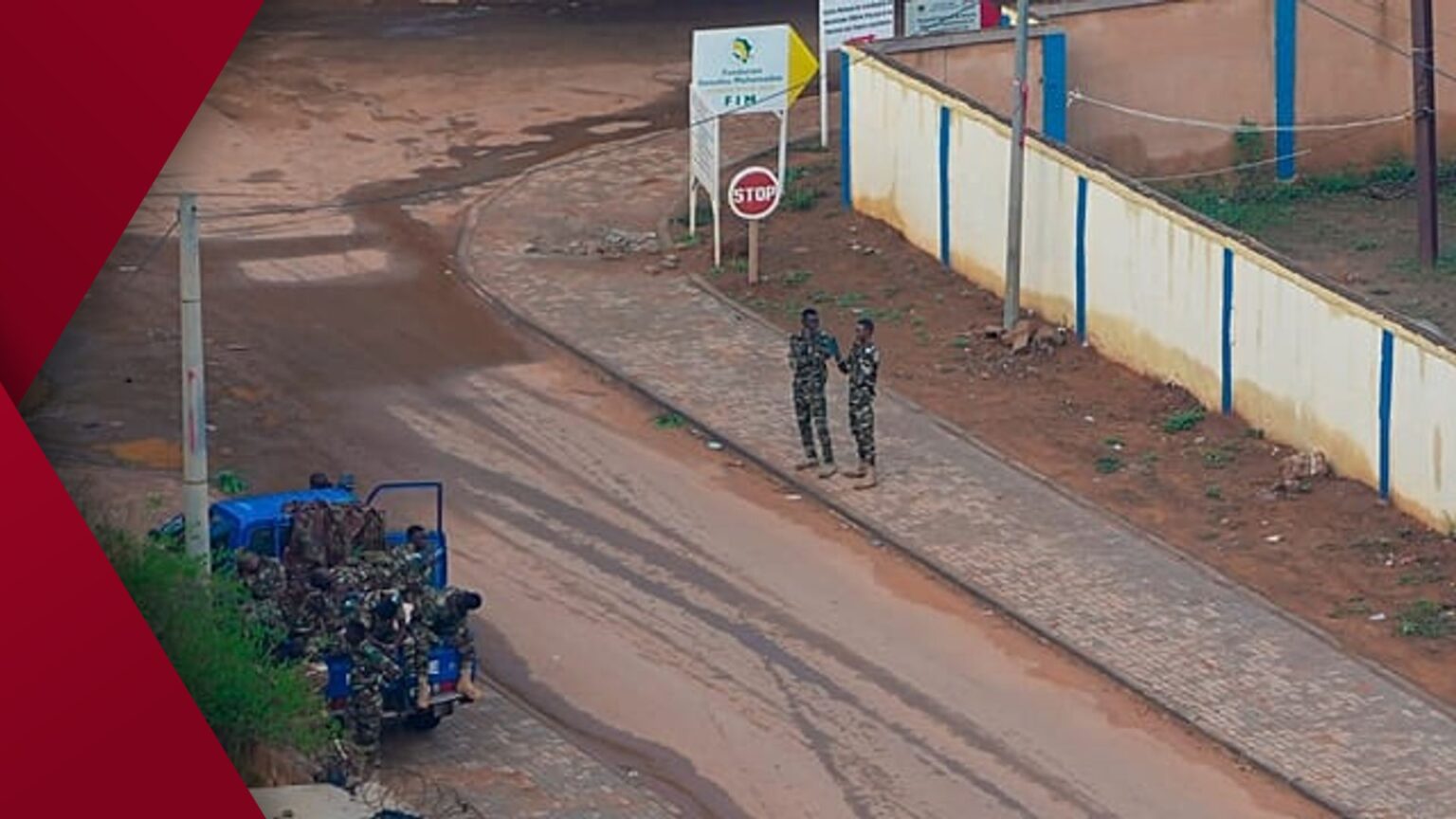
Niger’s Tillabéri Region Experiences Record-high Casualties Amid Jihadist Surge. City, Country — Niamey, Niger — In the Tillabéri region of Niger, the past decade has witnessed a spiraling conflict with jihadist groups, resulting in a surge in casualties.
The area, situated along the borders with Mali and Burkina Faso, has become a hotbed for violence linked to Al — Qaeda and the Islamic State group, according to reports.
The Union of Tillabéri for Peace and Security, a local group, described the situation as one of “kill, loot and extort” by jihadists. Despite the military junta that came to power in 2023 promising to curb violence, the struggle to contain fighters from the Islamic State and the Group for the Support of Islam and Muslims (JNIM), Al-Qaeda’s Sahel affiliate, has remained elusive. By 2025, Tillabéri had become the deadliest part of the central Sahel for civilians, noted ACLED, a conflict monitor.
Out of the 1,939 deaths recorded in Niger last year by ACLED, nearly 1,300 occurred in this region. Approximately half of these deaths were attributed to clashes between jihadist groups and Nigerien forces, while the other half resulted from attacks targeting civilians. ACLED has also accused the Nigerien army of violence against civilians in some instances.
Many residents have resorted to forming self — defense militias, though these are often poorly equipped and overwhelmed by jihadists.
The surge in violence in Tillabéri is partly due to its strategic location at the crossroads of Niger, Mali, and Burkina Faso, where jihadists also operate freely. Counter-offensives by Niger’s army, rivalries between Islamic State fighters and JNIM, and the latter’s expansion southward toward the capital Niamey have all contributed to the deadly situation.
The region has been subjected to terror attacks targeting state symbols, schools, and health centers. Residents living in areas controlled by jihadists are forced to pay tribute and adhere to rulings from improvised courts enforcing Islamic law.
The economy of the region has also collapsed due to anti — jihadist measures, including a state of emergency, a ban on motorcycles, and the closure of many markets and petrol stations.
A taxi driver in Téra, a town in Tillabéri, lamented the economic hardship: “No work, no money, life is very hard. ” Regional officials fear a future where violence against civilians continues, local militias multiply, and jihadists expand further south. If this occurs, it is unlikely that Tillabéri will see any significant reduction in violence in 2026.