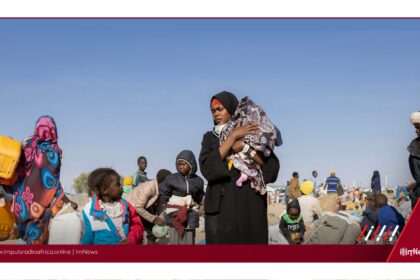
After deploying critical medical support in the aftermath of displacement and violence, Médecins Sans Frontières (MSF) has completed its emergency response in the Eráti district of Mozambique’s Nampula province. The organization’s intervention, spanning 12 weeks, aimed to bolster primary healthcare and emergency services for both displaced and host communities in Alua Velha, Alua Sede, and Miliva. These areas, addressing the overflow of displaced persons, were devoid of formal camps, forcing many to seek refuge with local hosts who, despite their own limited resources, opened their homes and shared their sustenance.
The emergency was precipitated by a surge in displacement following attacks by the Islamic State Mozambique and the resultant fear of further violence. Over 100,000 individuals fled Memba district, many finding shelter in Eráti under challenging circumstances. Josefina Pedro, a resident of Alua Sede, recounted the dire situation, noting the fear and exhaustion on the faces of those seeking refuge. “We shared what we had, because no one deserves to face suffering alone, “she.
MSF’s mobile clinics played a pivotal role in the response, offering more than 18,000 medical consultations, with children accounting for nearly two-thirds of patients. The first few weeks were particularly intense, with malaria cases soaring and a subsequent cholera outbreak overwhelming already under-resourced health facilities. MSF’s efforts included over 11,000 malaria rapid diagnostic tests, with a positivity rate of 63 per cent, as well as antenatal care, family planning, and mental health services.
Despite the emergency measures taken, barriers to accessing healthcare persist. Isabel Carlos Pereira, a displaced woman from Memba, highlighted the financial burden of medical consultations and the unavailability of drugs at local health centers. Distance and transportation costs further compound the issue, as residents must travel to Alua Sede for medical care, a journey that can cost between 150 and 250 meticais and sometimes involves refusal of transport due to fear of patient mortality.
In response to the declared cholera epidemic, MSF established a treatment center in Alua Sede and trained local health staff, while also implementing water, sanitation, and hygiene activities. As the crisis’s most acute phase waned, many displaced individuals began to return to their areas of origin, with MSF transferring activities to the Ministry of Health. However, the intervention revealed enduring gaps in healthcare access, particularly in remote areas where residents continue to face obstacles to care, medicines, and basic services. MSF underscores the necessity for sustained, coordinated, and needs-based humanitarian responses, emphasizing the importance of assistance that is not contingent upon population movements during ongoing crises.
Source: reliefweb
Original author: Médecins Sans Frontières