Mozambique’s Humanitarian Crisis: A Deep Dive into Response Efforts and Challenges. Maputo, Mozambique — As of late March 2026, Mozambique is addressing a multifaceted humanitarian crisis that has left hundreds of thousands of people in dire need of assistance.
The situation has been exacerbated by both ongoing conflict in the northern province of Cabo Delgado and severe flooding in the southern and central regions of the country.
The conflict in Cabo Delgado has displaced populations and disrupted the lives of many, while the floods have caused widespread damage, affecting over 700,000 people and leading to the temporary displacement of at least 100,000 individuals. This dual crisis has pushed Mozambique’s humanitarian needs to the forefront, necessitating a coordinated response from both national and international actors.
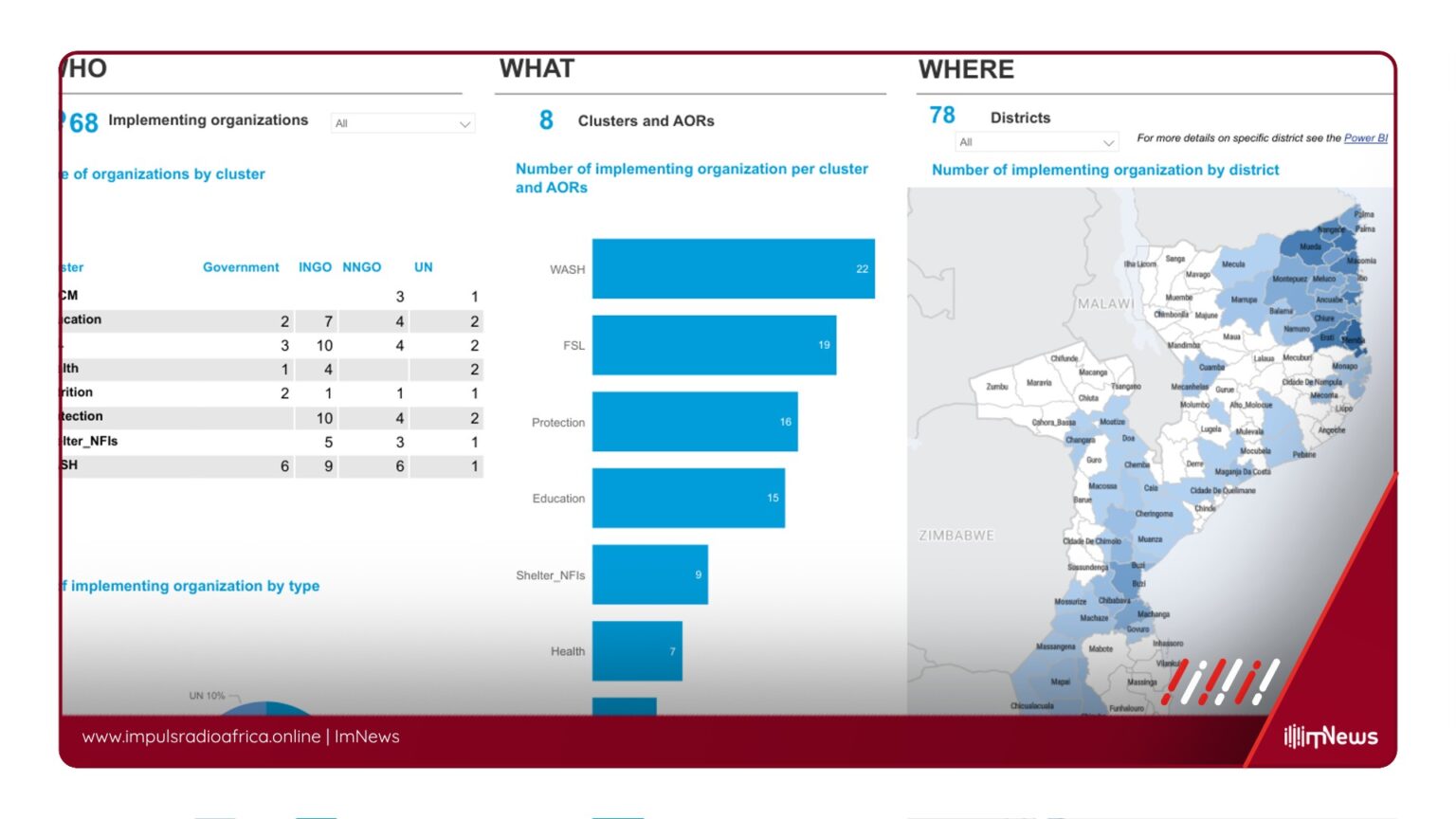
According to the 2026 Humanitarian Needs and Response Plan (HNRP), the focus is on 20 districts across northern Mozambique, with 17 located in Cabo Delgado, two in Nampula, and one in Niassa.
The plan aims to reach 1. 1 million people, with 919,000 considered hyper prioritized.
However, as of late March, approximately 369,000 individuals have received some form of assistance under the HNRP, representing just 26% of the target population.
The humanitarian community in Mozambique is a diverse mix of International and National NGOs, with key UN agencies such as UNICEF, IOM, and OCHA playing pivotal roles in the response efforts. UNICEF’s Mozambique Humanitarian Situation Report highlights the rise in cholera cases, with the disease expanding from five to 13 districts.
The scale of the disaster is further underscored by the Mozambique 2026 Flood Humanitarian Response, which reveals that the National Institute for Disaster Management and Risk Reduction reports over 724,000 people have been affected by the floods.
The report details the extensive damage to homes, health facilities, water systems, and other critical infrastructure. Despite the challenges, there is a collective effort to provide life-saving assistance and support for recovery and resilience building. Local and national authorities are working in tandem with international partners to coordinate these efforts.
The UN Office for the Coordination of Humanitarian Affairs (OCHA) and various NGOs emphasize the need for increased funding and international support to effectively address the crisis.
As Mozambique faces the dual threats of conflict and natural disasters, the humanitarian response remains a critical component in the country’s path to recovery.
The efforts of national and international actors are commendable, but the scale of the crisis requires sustained attention and support to ensure that the most vulnerable populations receive the assistance they desperately need.
The ongoing situation in Mozambique serves as a stark reminder of the complexities and challenges associated with humanitarian crises. It underscores the importance of coordinated, multi-faceted responses that address both immediate needs and long-term recovery.
As the country moves forward, the international community must remain committed to supporting Mozambique’s efforts to rebuild and recover from this unprecedented crisis.
*Additional reporting by ImNews | Sources consulted: 3*
—
This original article was produced by the ImNews editorial team
Source: reliefweb
Source: UN Office for the Coordination of Humanitarian Affairs