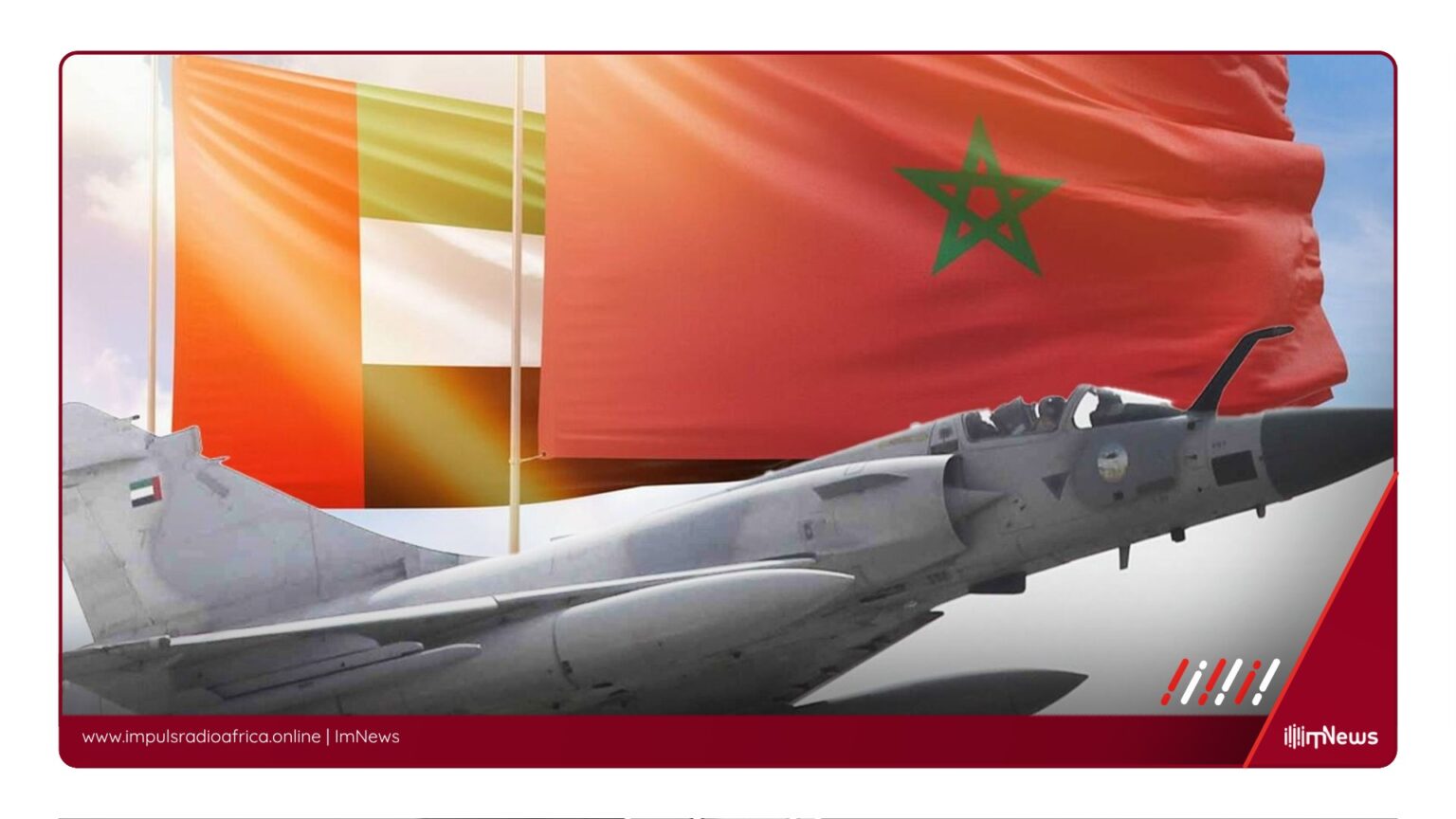
Marrakech, Morocco — The anticipated delivery of 30 Mirage 2000-9 fighter jets from the United Arab Emirates (UAE) to Morocco is facing further delays due to the escalating conflict in the Middle East. The agreement, initially expected to be finalized by 2027, has been pushed back as a result of the ongoing regional instability and the strategic decisions of the UAE.
The conflict, involving the United States, Israel, and Iran, has become a significant barrier to the implementation of the agreement between Abu Dhabi and Rabat. A report by Africa Intelligence, dated April 9, highlighted the Middle East war as a critical factor in the delay. Spain’s La Razón also covered the story, noting the UAE’s hesitation to part with its operational fleet during this period of heightened regional tensions.
The Mirage deal, which dates back to late 2021, involves the donation of 30 Mirage 2000-9E aircraft equipped with Mica NG air-to-air missiles and Black Shaheen cruise missiles. The UAE had previously ordered 80 Rafale F4 jets from France in a contract worth over €16 billion, prompting the intention to donate the Mirages to Morocco’s Royal Armed Forces (FAR).
However, France initially blocked the transfer, citing a clause in the 1998 sales contract that required Paris’s approval for any re-export of the aircraft. This veto was lifted in early 2024 following a visit by then-French Foreign Minister Stéphane Séjourné to Morocco and the subsequent recognition of Morocco’s sovereignty over the Western Sahara by President Emmanuel Macron on July 30, 2024.
Despite the diplomatic hurdles being cleared, the Middle East war has introduced a new timeline challenge. The UAE authorities are choosing to maintain their full fleet operational until the Rafale F4 jets are delivered and fully integrated. The first batch of Rafales is expected to arrive this year, with full delivery set to extend through 2031.
In anticipation of these disruptions, the UAE had signed a strategic partnership with a French firm on February 20, 2025, at the IDEX defense exhibition in Abu Dhabi. This agreement covers the heavy maintenance of the M53 engines that power the Mirage 2000, aiming to ensure the jets are in optimal condition before their retirement and transfer to Morocco.
The situation in the Middle East has only complicated matters further. The conflict, which began with Operation Epic Fury, saw joint airstrikes by the US and Israel on Iran, resulting in a fierce retaliation from Iran. The situation has escalated to include strikes on Israel, US bases, and Gulf Arab states, including the UAE, and has resulted in significant disruptions to global trade and energy supplies.
Despite the challenges, Morocco has remained steadfast in its support for its Gulf ally. King Mohammed VI has spoken twice by phone with UAE President Mohammed bin Zayed to affirm Morocco’s commitment to supporting the UAE. Moroccan sources have revealed that the country has provided military-technical assistance to the UAE, including significant technical and intelligence support aimed at bolstering the UAE’s defensive capabilities.
Source: moroccoworldnews
Original author: Adil Faouzi