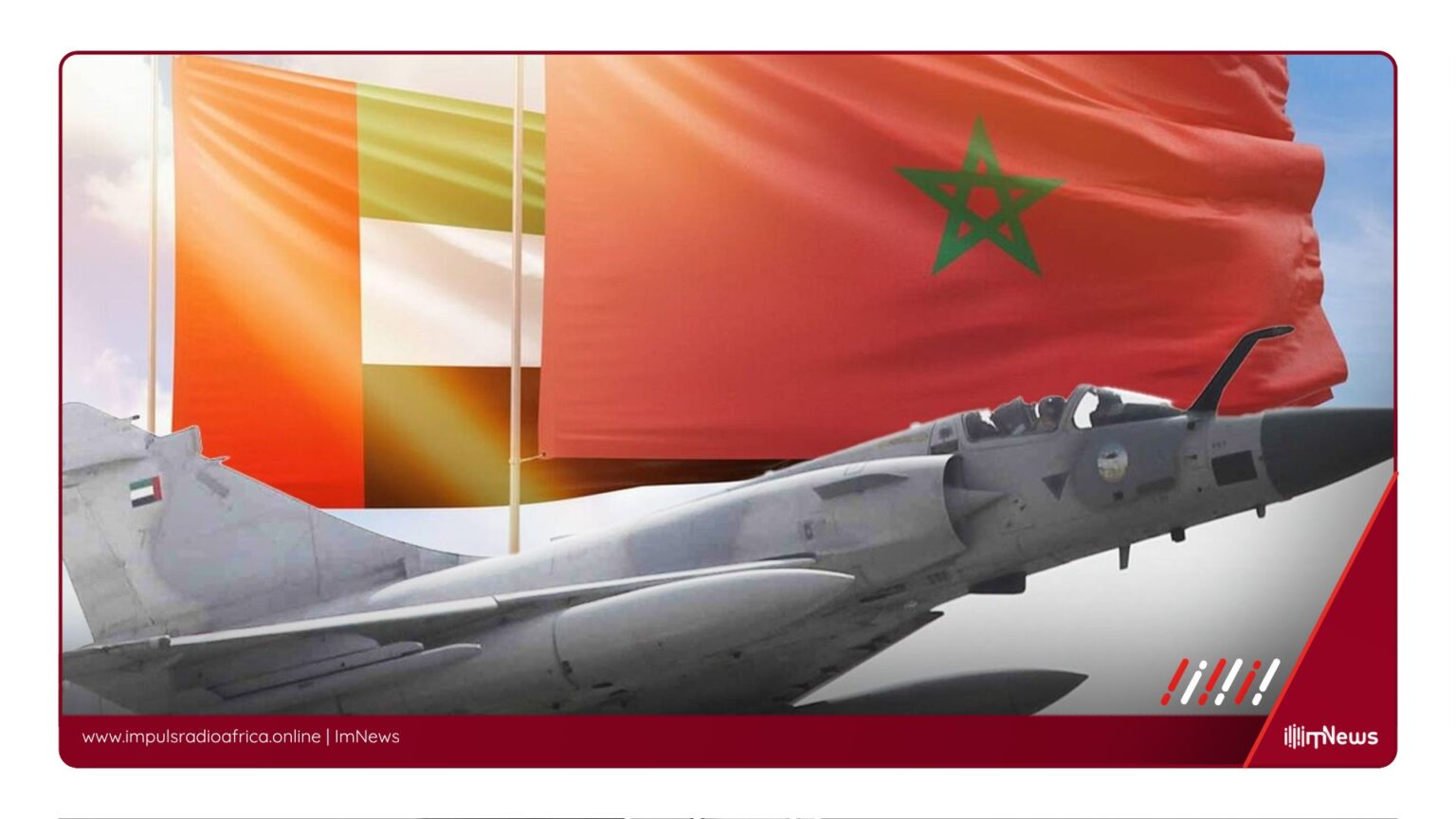
The anticipated delivery of 30 Mirage 2000-9 fighter jets from the United Arab Emirates (UAE) to Morocco has been further delayed due to the ongoing Middle East conflict. This development, reported by Africa Intelligence on April 9, 2025, highlights the intricate web of geopolitical dynamics affecting the deal. The conflict, involving the United States, Israel, and Iran, has introduced new challenges to the agreement, which was already beset by diplomatic hurdles.
The Mirage deal, initially set to be finalized in late 2021, involved the UAE ordering 80 Rafale F4 jets from France for over €16 billion. As part of this deal, the UAE had intended to donate 30 of its Mirage 2000-9E aircraft to Morocco’s Royal Armed Forces (FAR). These aircraft are equipped with advanced weaponry, including Mica NG air-to-air missiles and Black Shaheen cruise missiles. However, the transfer was initially blocked by France, which cited a clause in the 1998 sales contract that required Paris’s approval for any re-export of the aircraft.
Despite the French veto being lifted in early 2024 following a visit by then-French Foreign Minister Stéphane Séjourné to Morocco and President Macron’s recognition of Morocco’s sovereignty over the Western Sahara, the transfer was initially expected to occur around 2027. The Middle East war has, however, introduced a new timeline issue. The UAE is choosing to maintain its full operational fleet until the delivery and integration of the new Rafale F4 jets, which are expected to begin this year and stretch to 2031.
The complexity of the situation was further underscored by the IDEX defense exhibition in Abu Dhabi, where the Gulf Aircraft Maintenance Company signed a strategic partnership with a French firm to ensure the Mirages were in optimal condition before retirement and transfer. This partnership covers the heavy maintenance of the M53 engines that power the Mirage 2000.
The Middle East war’s impact on the arms contract was compounded by the escalation of hostilities, beginning with Operation Epic Fury on February 28, 2025. This operation involved joint airstrikes by the US and Israel on Iran, leading to a retaliatory response from Iran and subsequent disruptions to global trade and energy supplies. The conflict has seen a series of escalations and de-escalations, including a brief ceasefire brokered by Pakistan that has since been violated by both sides.
In the midst of this turmoil, Morocco has stood firm in its support for the UAE. King Mohammed VI has spoken twice by phone with UAE President Mohammed bin Zayed, reiterating Morocco’s commitment to supporting its Gulf ally. This support has extended beyond diplomacy, with Morocco providing military-technical assistance to the UAE during Iran-linked attacks. Moroccan military and technical personnel are currently deployed in the UAE, offering significant technical and intelligence support to enhance the UAE’s defensive capabilities.
Source: moroccoworldnews
Original author: Adil Faouzi