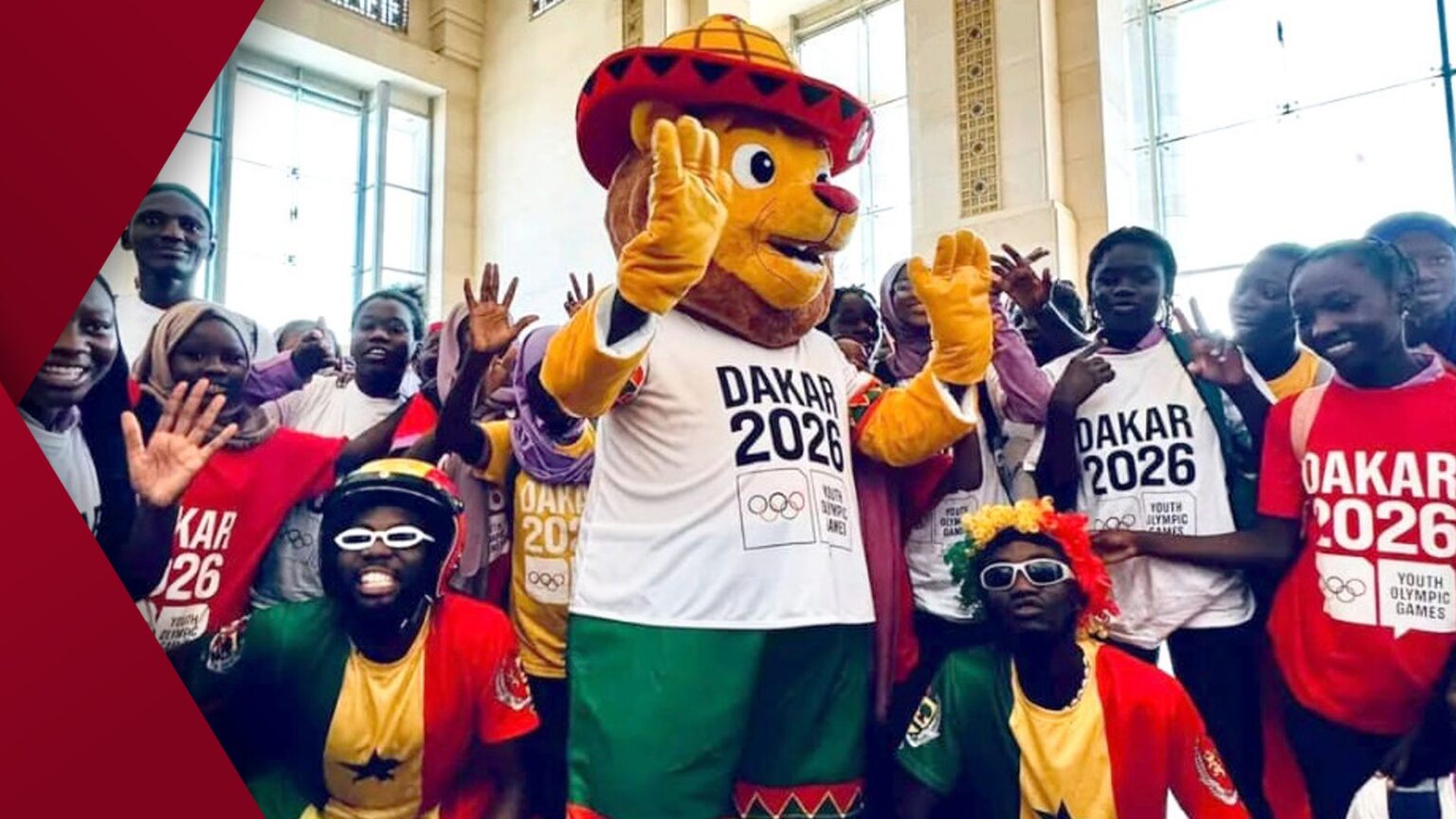
Dakar, Senegal — As Senegal gears up to host the 2026 Youth Olympic Games, a shadow looms over the nation’s economic aspirations: a proposed mobile-money tax that threatens to undermine the very foundation of its financial inclusivity and youth empowerment.
In a bid to bolster the country’s economy, the Senegalese government has proposed imposing a 0.5% tax on mobile money transfers and a 1.5% tax on merchant payments, along with a 2% fee for merchants. These measures are expected to generate approximately 220 billion CFA francs (around $360 million USD) over three years, funding the 2025-2028 Economic and Social Recovery Plan. However, the potential impact of this tax on the youth, particularly in the lead-up to the Youth Olympic Games, is a cause for alarm.
Mobile money has become an indispensable part of daily life in Senegal, where only a mere 26% of the population has access to traditional banking services. Over 90% of adults rely on mobile wallets, with a staggering 15.3 trillion CFA francs (USD27.5 billion) processed in 2025 alone. This digital revolution has not only facilitated financial transactions but has also empowered the youth, providing them with opportunities for entrepreneurship and financial independence.
The proposed tax, however, poses a significant risk of reversing this progress. Low-income households, women entrepreneurs, students, and informal traders, who heavily rely on mobile money for their daily transactions, are likely to be disproportionately affected. Experts warn that the tax could undo years of efforts to bring people into the formal financial system, pushing them back to cash transactions, which are less traceable and more difficult to tax.
The impact on employment is another concerning aspect. Mobile money agent networks, which employ many young people, could see a decline in earnings if the tax discourages the use of digital transactions. This could exacerbate youth unemployment, a pressing issue in Senegal, where the youth population is rapidly growing.
Furthermore, the tax could harm remittances, which are intended to be exempt. However, the tax would apply to domestic transactions involving these funds, potentially affecting the livelihoods of many families.
As Senegal prepares to host the Youth Olympic Games, the proposed mobile-money tax raises questions about the nation’s commitment to its youth and economic inclusivity. While the government’s intentions may be noble, the potential consequences of this tax could undermine the very goals it aims to achieve. As the nation awaits a decision on this contentious issue, the future of Senegal’s youth and its economic prospects hang in the balance.
Source: Panafricanvisions
Additional reporting by ImNews