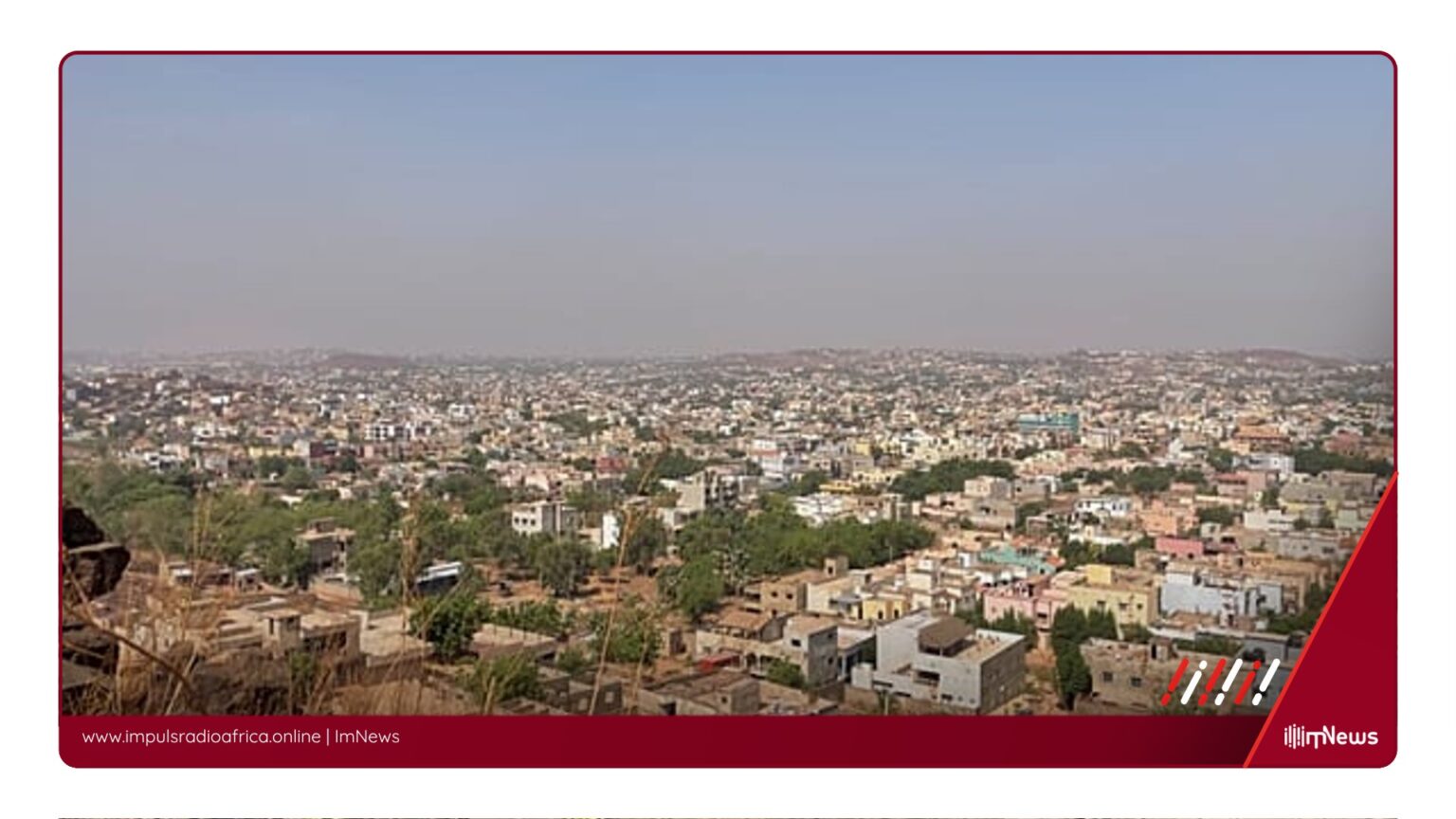
Bamako, Mali — In a series of coordinated attacks that have sent shockwaves through Mali, the country is addressing a significant security crisis, with the capital Bamako and key cities such as Gao and Kati coming under attack.
The recent violence, which included the assassination of Mali’s Defense Minister General Sadio Camara in a suicide car bombing, underscores the depth of the security cracks within the military junta led by General Assimi Goïta.
The fall of Kidal further highlights the increasing collaboration between separatist groups and the al — Qaeda-linked Jama’at Nusrat al-Islam wal-Muslimin (JNIM). Analysts suggest that the attacks are aimed at destabilizing the state and pushing back Malian forces, as well as challenging the presence of foreign partners.
The coordinated nature of the operations points to a new level of operational synergy among various factions, raising concerns about Mali’s ability to maintain stability in the region. The coordinated attacks have also put pressure on Mali’s key security partner, Russia, which has forces deployed in the country.
The Malian diaspora in Paris has rallied in support of Bamako’s ruling junta, while the UN has expressed deep concern over the situation and called for international assistance.
As Mali struggles to restore security, the international community awaits a clearer understanding of the long — term implications and the response of both regional and international actors to this escalating crisis.
*Additional reporting by ImNews | Sources consulted: 3*
—
This original article was produced by the ImNews editorial team
Source: Africanews
Source: Rédaction Africanews