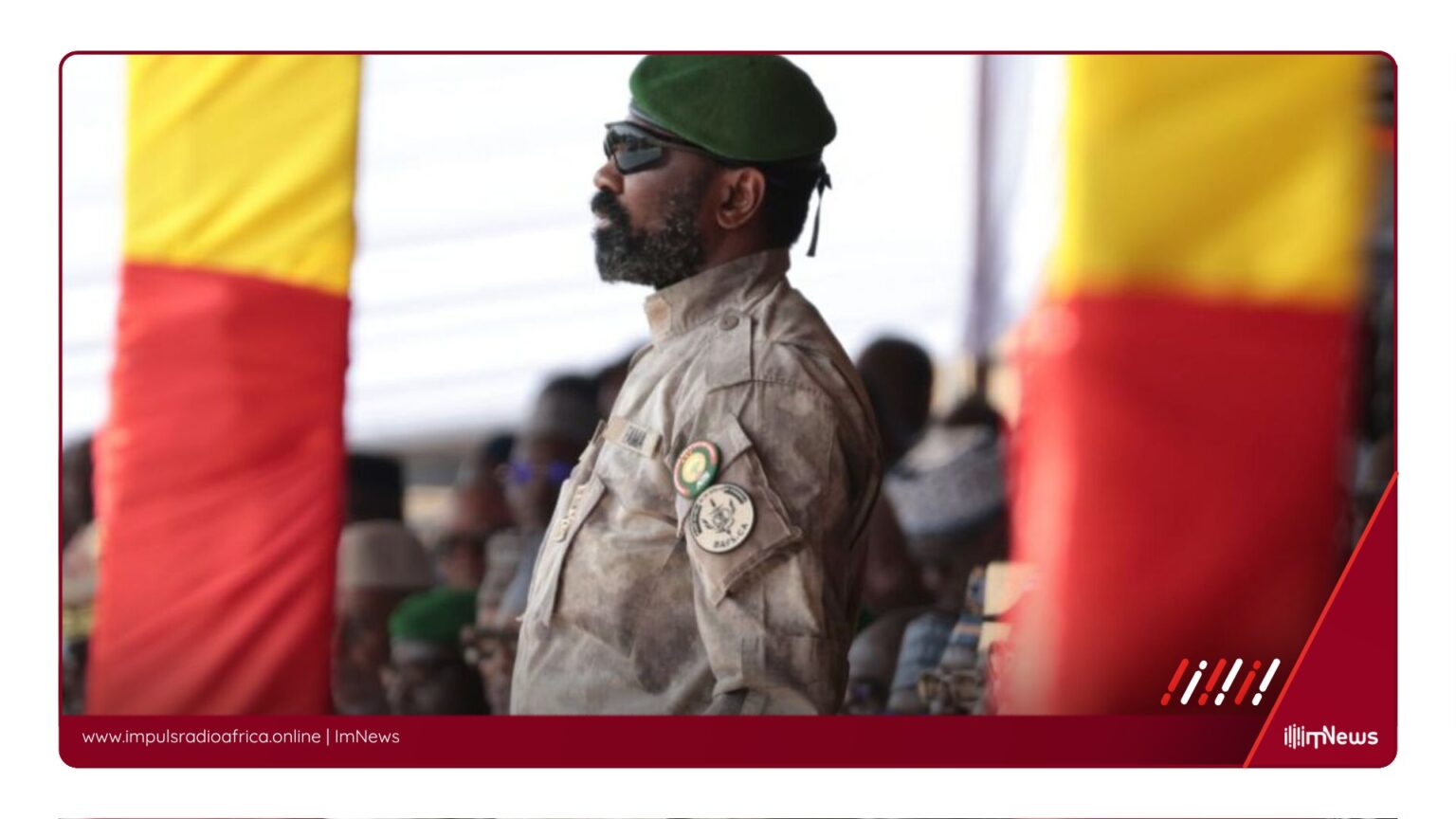
Bamako, Mali — The military government of Mali, under President Assimi Goita, confronts a mounting challenge as a coalition of armed groups and rebels escalates their attacks, posing a significant threat to the state’s stability.
The recent withdrawal of French forces and the diminishing UN mission have left a power vacuum that has been exploited by various factions, leading to increased insecurity.
The coordinated offensive on April 25, 2026, which resulted in the tragic death of Mali’s Defense Minister Sadio Camara, has underscored the gravity of the threat to the military government’s authority. This surge in insurgent activity is attributed to the strategic vacuum left by the withdrawal of French and UN forces, as well as the growing influence of external actors.
The Lansing Institute suggests that the situation in Mali reflects the collapse of a decade — long international counterterrorism architecture and the failure of its replacement by Russian-backed forces.
The involvement of Russia in Mali’s conflict has been a contentious issue, with the Mali government seeking to redefine its alliances, including with Russian forces. Reports indicate that Russia has stood by Mali’s military junta at all costs, despite the growing insecurity in the region.
The rebels’objectives appear to extend beyond territorial control, focusing on changing the people in power and implementing Sharia law.
The Mali government’s struggle for control has been further complicated by the involvement of external actors, including accusations of French backing for the attacks.
The fall of the key military camp in Tessalit to rebels has been a significant setback for the Mali government and its Russian allies, raising concerns about the military government’s ability to maintain control over the country.
As the situation in Mali continues to deteriorate, the international community is increasingly concerned about the potential for a regional security crisis.
The situation in Mali is a critical test of the international community’s ability to address the challenges of state fragility and external intervention in the Sahel region.
As the conflict escalates, the world watches to see how Mali’s military government will respond and whether the international community will take decisive action to address the crisis.
*Additional reporting by ImNews | Sources consulted: 5*
—
This original article was produced by the ImNews editorial team
Source: aljazeera