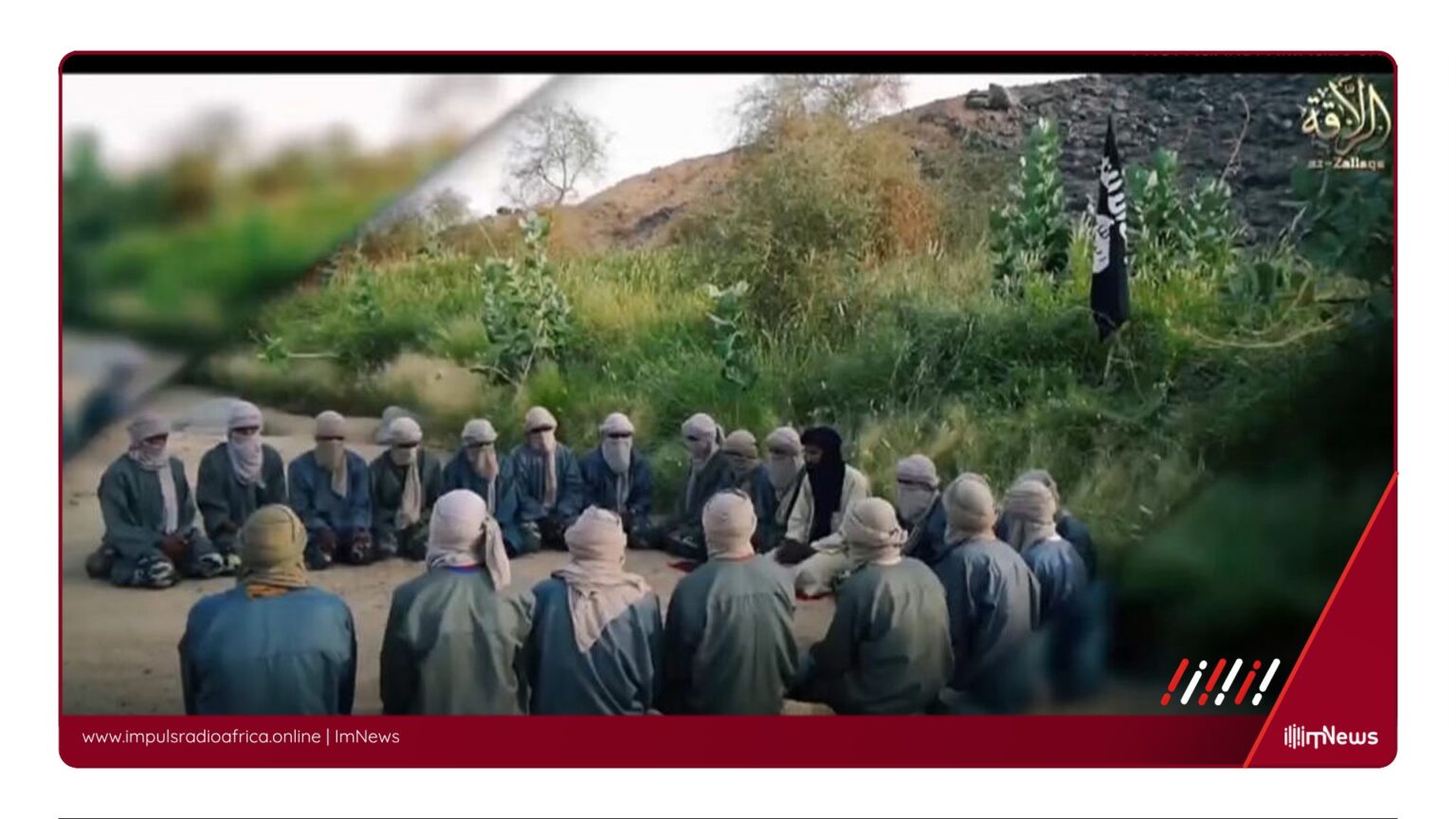
Bamako, Mali — Mali grapples with a deepening security crisis, characterized by a surge in coordinated attacks on military and civilian infrastructure by jihadist and separatist groups. These attacks, resulting in significant casualties, have underscored the nation’s struggle to regain peace and security in the face of its heavy reliance on military solutions.
The escalation of violence, which commenced in April 2026, has exacerbated Mali’s political and security challenges, coming against the backdrop of the country’s military rule since 2021. Current ruler Assimi Goïta has vowed to strengthen security, especially in the north and central regions, amidst the rising influence of armed groups. Political Scientist Dr.
Folahanmi Aina contends that Mali’s overreliance on military responses, including partnerships with Russian paramilitaries, has intensified the conflict without tackling the underlying causes of instability. Aina emphasizes the need for a more integrated approach to security, highlighting that the situation requires more than just a military strategy.
The Africa Center for Strategic Studies echoes this sentiment, suggesting that the coordinated attacks point to the failure of Mali’s military tactics and the necessity for a broader security strategy.
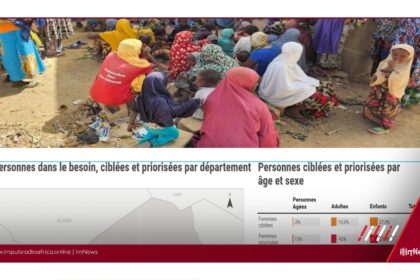
The conflict has precipitated mass displacement and severe humanitarian challenges, further impacting Mali’s economy.
The United Nations reports that over 5 million individuals have been internally displaced within Mali, and 1. 5 million have crossed borders, seeking refuge in neighboring countries.
In response to the escalating violence, the Economic Community of West African States (ECOWAS) has agreed to deploy a regional West African army.
The plan is to mobilize an initial 2,000 soldiers by the end of 2026 to combat the expanding armed groups in the region.
However, reports indicate that Mali’s Russian-backed troops have retreated as the militant offensive spreads, raising questions about the efficacy of Mali’s military strategy and the role of external actors in the conflict. This situation underscores the complexities of addressing the root causes of conflict and the importance of a multifaceted approach to security.
As Mali seeks to regain peace and security, the international community is growing increasingly concerned about the potential for the conflict to spread and its impact on regional security.
The situation in Mali serves as a stark reminder of the challenges faced by Sahel region countries, where political instability, economic hardship, and the rise of jihadist groups have created a volatile environment.
The international community is closely monitoring the evolving situation in Mali, calling for a peaceful resolution to the ongoing conflict.
The country’s experience underscores the need for a nuanced and comprehensive approach to conflict resolution. Kicker: The evolving situation in Mali poses significant risks for the region and calls for a coordinated, multifaceted response from the international community.
*Additional reporting by ImNews | Sources consulted: 5*
—
This original article was produced by the ImNews editorial team
Source: france24 – Africa
Source: FRANCE24