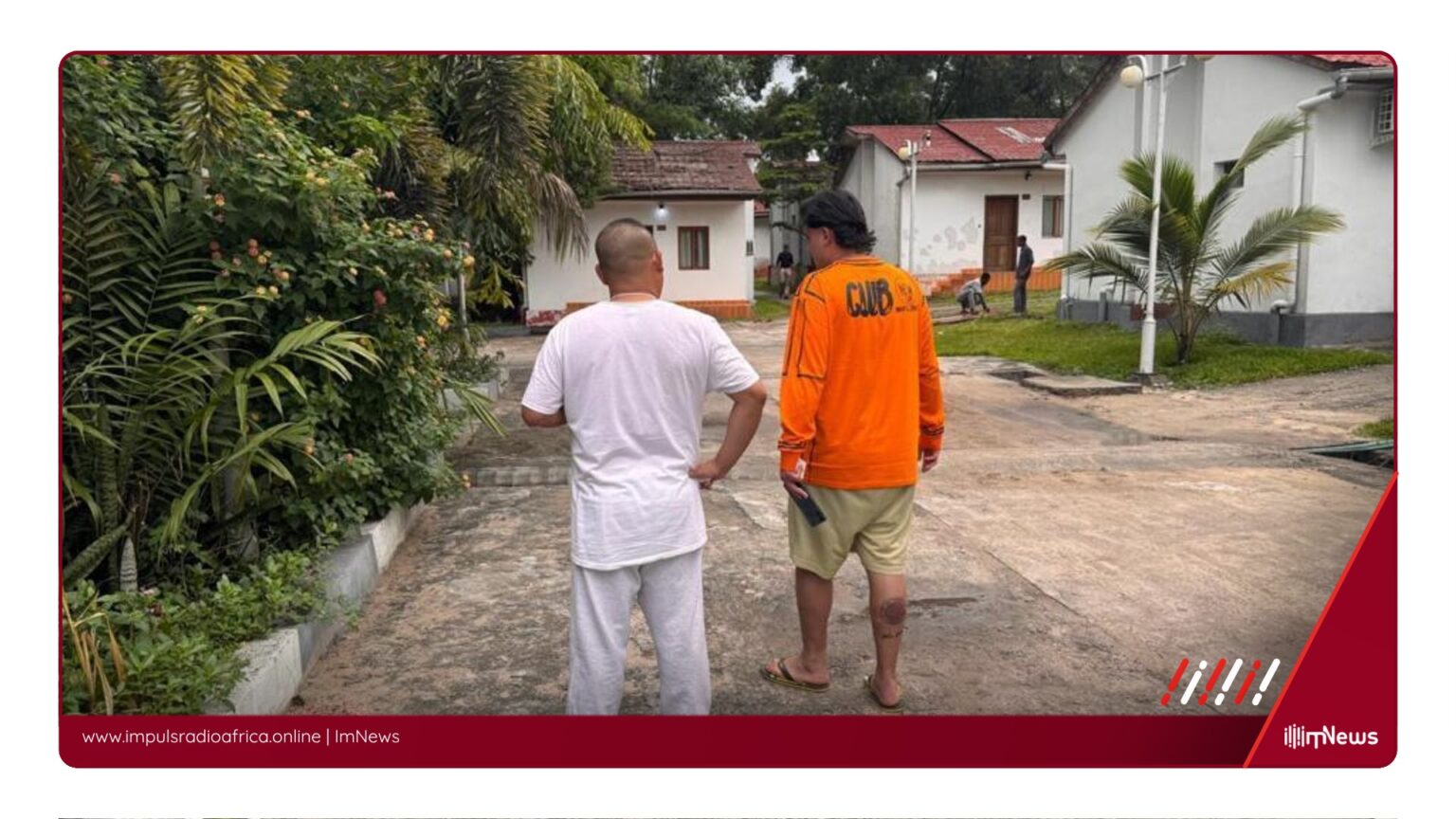
Kinshasa, Democratic Republic of Congo — The Democratic Republic of Congo (DRC) has become a focal point in the global migration debate as the first group of Latin American migrants deported from the United States arrive in Kinshasa. This group, numbering around 15 and primarily from Colombia, Peru, and Ecuador, has been accommodated in Venus Village, a hotel complex on the outskirts of the capital.
The migrants, who were granted one — week visas upon arrival, are currently in a linguistic and cultural limbo, as none of them speak French, the official language of the DRC.
The situation is compounded by the migrants’restricted movement, as they are confined to the Venus Village complex. Many of the deportees had legal protection orders from U. S.
Courts intended to prevent their return to their home countries.
However, they were transferred to the DRC, a move that has sparked criticism and concern over potential violations of international law.
The U. S. Government is reported to be taking responsibility for the logistical costs associated with the deportations, including the migrants’stay and support in the DRC.
This includes covering expenses related to their sustenance and any necessary legal assistance. Despite the Congolese government’s assertion that the migrants’stay in the country is temporary and that the scheme aligns with its commitment to human dignity and protecting the rights of migrants, the uncertainty surrounding their future and the lack of clear information from authorities have heightened fears among the deportees. Some have expressed a willingness to return to the dangers of their home countries rather than face an unknown fate in the DRC.
Others are calling for better support and legal assistance to navigate the complex immigration system of their new temporary home. Rights advocates have accused the Trump administration of using third-country deportations as a means to intimidate asylum seekers and migrants, circumventing legal protections, and potentially violating international law.
As the situation unfolds, the world watches with bated breath to see how the DRC and the international community will respond to this humanitarian crisis, which has significant implications for the global debate on immigration, human rights, and the law.
*Additional reporting by ImNews | Sources consulted: 5*
—
This original article was produced by the ImNews editorial team
Source: rfi
Source: RFI