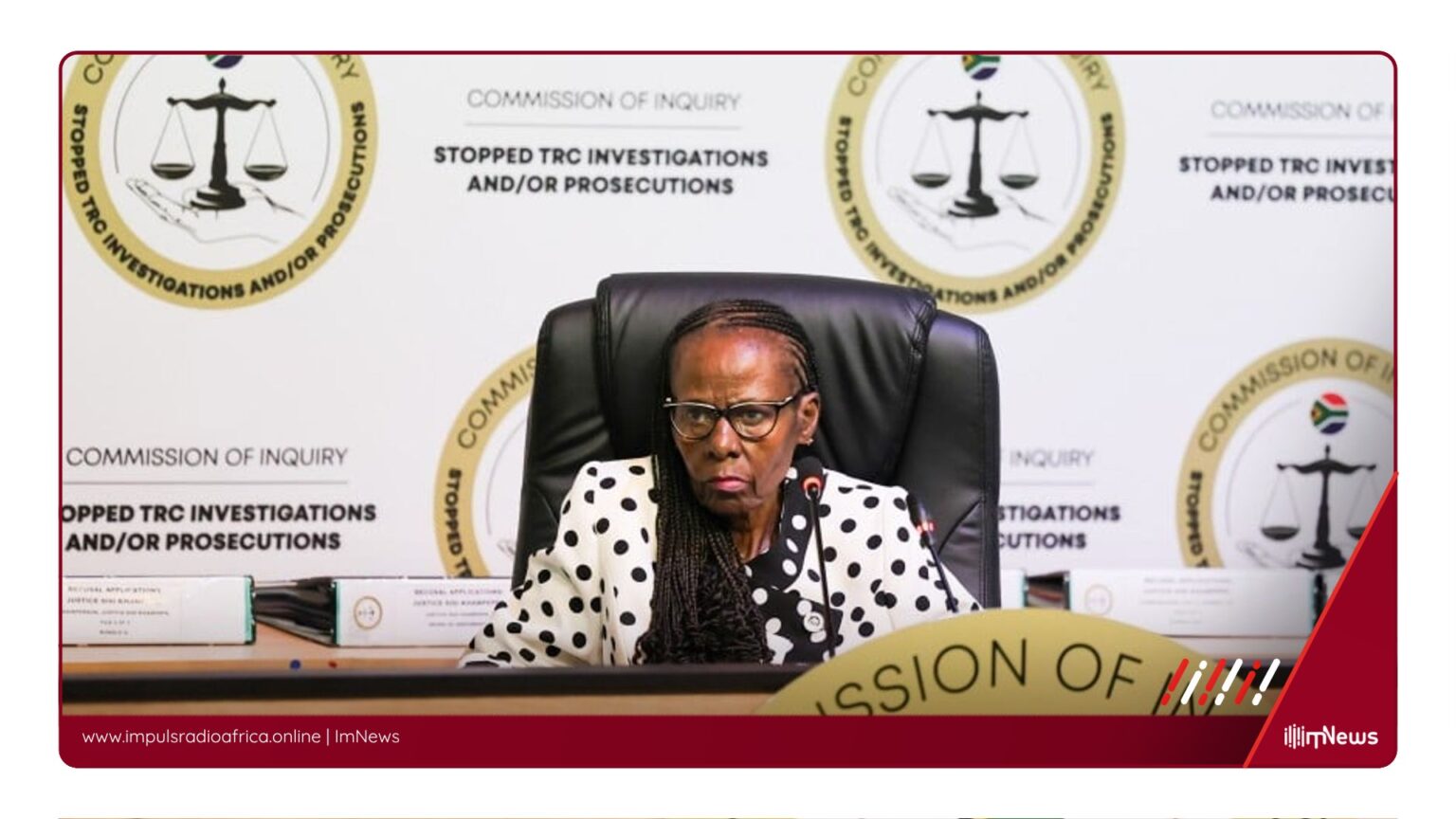
JOHANNESBURG, South Africa — The Khampepe Commission of Inquiry, dedicated to investigating apartheid-era crimes, is scheduled to recommence its activities after a thwarted effort by former presidents Jacob Zuma and Thabo Mbeki to dismiss its chairperson, Justice Sisi Khampepe.
The commission, which was established to delve into the apartheid legacy and associated human rights abuses, has been instrumental in the nation’s quest for accountability and healing. The inquiry’s continuation, despite the controversial attempt to remove Justice Khampepe, underscores the commission’s dedication to uncovering the truth.
The failed removal bid of Justice Khampepe, a highly respected legal figure, has been met with significant concern from human rights advocates and legal experts. Despite the political pressure, the commission is poised to persist in its mission without delay, emphasizing the importance of its work for South Africa’s reconciliation and the protection of all citizens’rights.
Established in 2010, the Khampepe Commission has encountered numerous challenges, including delays and opposition, yet it has remained resolute in its pursuit of the truth. The upcoming hearings are anticipated to offer a platform for victims and witnesses to narrate their experiences and contribute to the historical record.
The inquiry’s resumption coincides with South Africa’s ongoing struggle with the legacy of inequality and injustice. The nation’s leadership is under intense pressure to address the root causes of its social and economic issues, with the Khampepe Commission seen as a pivotal element in this endeavor.
The commission’s efforts are also significant within the broader context of Africa’s commitment to the Agenda 2063, which seeks to promote peace, security, democracy, and sustainable development across the continent. By confronting the past, South Africa can contribute to a more unified and prosperous Africa.
The resumption of the Khampepe Commission of Inquiry in South Africa signifies the nation’s dedication to truth and justice. Its continuation is a vital step towards confronting the apartheid legacy and preventing such crimes from recurring.
Source: Khampepe Commission of Inquiry