Johannesburg, South Africa — South Africa’s annual consumer price inflation (CPI) accelerated to 3. 1% in March 2026, a 0. 1% increase from February’s rate, reflecting the impact of global oil price fluctuations and regional economic pressures.
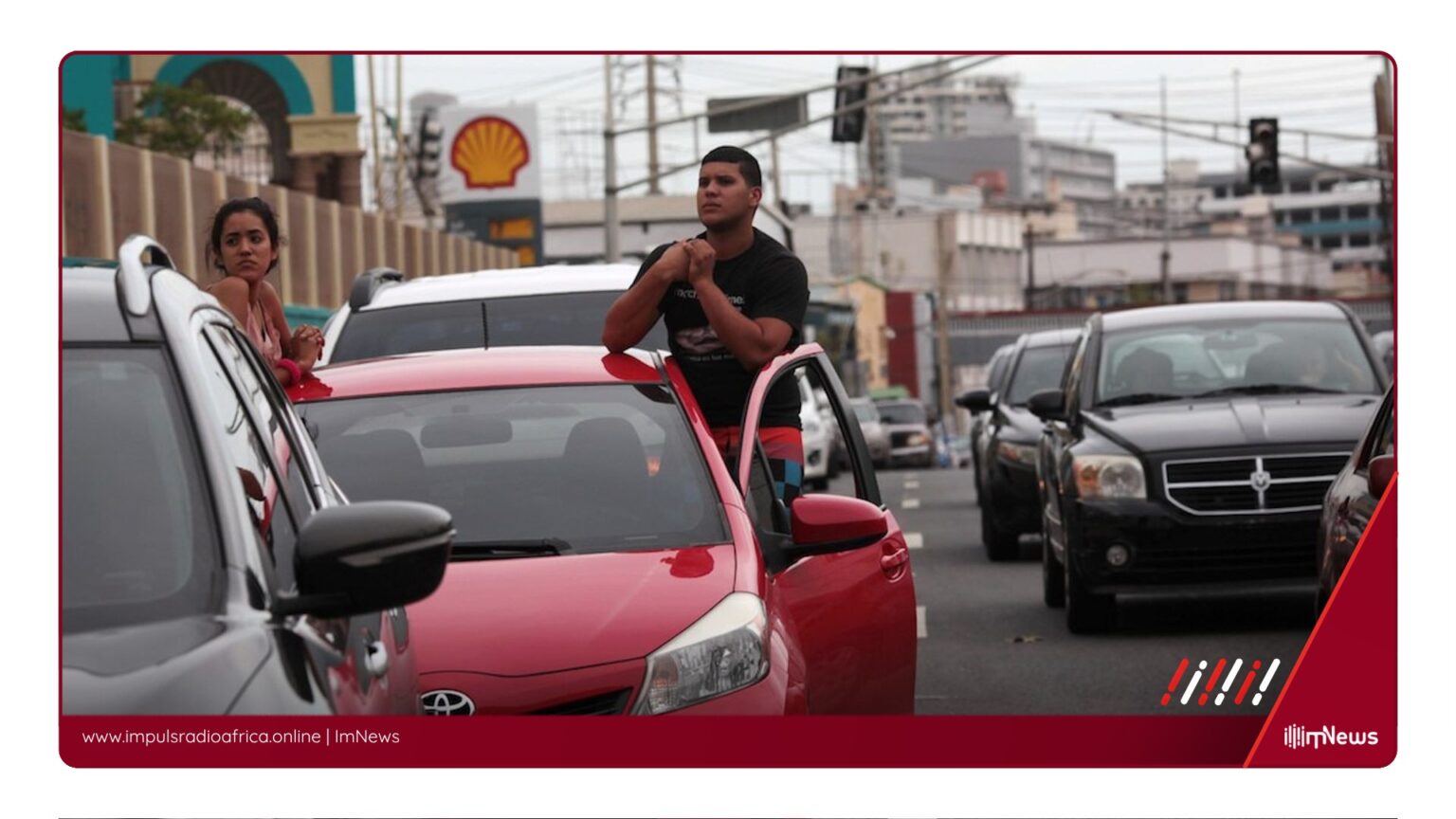
The rise in inflation is attributed to a variety of factors, including the escalating tensions in the Middle East, which have caused a disruption in global energy markets. This disruption has led to a surge in oil prices, exerting upward pressure on the costs of transportation, housing, food, and services in South Africa. Fuel price hikes are expected to continue, with the Central Energy Fund indicating a likely further increase that could exacerbate inflationary pressures.
South Africa’s Reserve Bank (SARB) is closely monitoring the situation, with Governor Lesetja Kganyago emphasizing the need for vigilance against inflationary shocks that could become entrenched if not contained early. Beyond South Africa, the ripple effects of the global oil shock are evident across the African continent. Inflation rates are beginning to edge higher in several of Africa’s largest economies, including Nigeria, Egypt, and Kenya, as the impact of higher fuel costs filters through to consumer prices.
Nigeria’s inflation, for instance, rose to 15. 38% in March, largely driven by increased food and transport costs, while Egypt’s inflation hit 15. 2% following a government decision to raise fuel prices by up to 17% in early March.
Kenya is forecasting inflation to reach 5. 7% in April, as war-era fuel pricing adjustments take effect.
The situation underscores the vulnerability of African economies to external shocks, particularly those related to energy prices. For fuel-importing countries, the direct impact is immediate and severe, with little room for maneuverability to absorb the shock.
The SARB’s approach to monetary policy is now under scrutiny, with the risk of further tightening to control inflation growing.
The Bank’s decision to hold rates may be influenced by the duration and persistence of the oil shock, as well as its impact on the rand and broader economic stability.
As the situation unfolds, the economic outlook for South Africa and the African continent remains uncertain.
The challenge for policymakers is to balance the need for inflation control with the potential for slower economic growth and increased living costs for citizens.
In conclusion, South Africa’s inflation surge is a timely reminder of the complex interplay between global economic forces and domestic economic management.
The journey ahead will require careful navigation to mitigate the impact of the ongoing global oil turmoil on Africa’s economies.
*Additional reporting by ImNews | Sources consulted: 5*
—
This original article was produced by the ImNews editorial team
Source: Africa.businessinsider
Source: Ayodeji Adegboyega