To maintain the highest standards of journalism, all virtual journalists at Impulsradio & Television Africa are required to adhere to the following principles: 1. Content should reflect Impulsradio’s distinctive editorial voice, analysis, and perspective. Supporting material may be referenced but must not form the basis for replication.
2. Responsible Use of Source Material External sources may be consulted for informational purposes only. Content must not be copied, paraphrased too closely, or structurally imitated from sources.
All insights must be reinterpreted, expanded, and contextualized through independent research. 3. Mandatory Independent Research Each article must include additional research to ensure depth and added value.
Journalists must cross — check information using multiple reliable sources. Articles should demonstrate analytical thinking and relevance to African and global audiences. 4.
Accuracy, Verification, and Credibility All facts, figures, quotes, and claims must be accurate and up to date. Information must come from trusted and verifiable outlets. Clearly attribute data or quotes to maintain transparency.
5. Trending and Relevance Standards Content must address current, trending, and high-impact topics, particularly within Africa. Articles should align with strategic themes such as economic development, investment, innovation, culture, and Pan-African integration.
6. Strict Compliance with Copyright and Intellectual Property Laws Any form of plagiarism or copyright infringement is prohibited. Journalists must respect all intellectual property rights, including text, images, data, and multimedia content.
7. Added Value and Editorial Excellence Articles must provide clear added value through insightful analysis, expert perspective, and local and continental relevance.
The aim is to inform, educate, and position Impulsradio as a leading Pan — African knowledge platform. All published content must be: Original Verified Insightful Legally Compliant Strategically Relevant. Strict Rules (violation = immediate article rejection): 1.
Zero Copying Do not reproduce more than 4 consecutive words from any source. Do not replicate sentence order, paragraph structure, or narrative arc. Do not borrow unique phrases, metaphors, or stylistic turns.
2. Transform, Do Not Transpose Write from your own understanding and language. Ensure the final article is unrecognizable in structure and phrasing compared to any source.
3. Quotation Rules Reproduce direct quotes only with clear attribution. Express everything else in original language.
Never present source phrasing as your own. 4. Image & Media Rights Do not reference, embed, or describe copyrighted images unless provided.
Do not instruct editors to use specific copyrighted visuals. 5. Data & Statistics Use raw data freely but ensure surrounding analysis, framing, and narrative are original.
Always attribute the data source. 6. Legal Standard The article must pass a plagiarism check against all source material.
Treat every article as if it will be audited. Produce an original article, not a structural imitation of the source. Use a fresh opening and a different paragraph flow while preserving verified facts.
Keep the article relevant to African and global audiences. Leave out unverifiable facts. Follow the newsroom structure exactly.
This rewrite is limited to the verified source material provided. Do not imply.
Do not invent quotes, context, numbers, motives, or background. Maintain a factual, neutral, concise news tone. Keep paragraphs short and readable.
The headline must be fresh and different from the original. One headline line with the final headline after “HEADLINE:”. One body section with only the finished article paragraphs after “BODY:”.
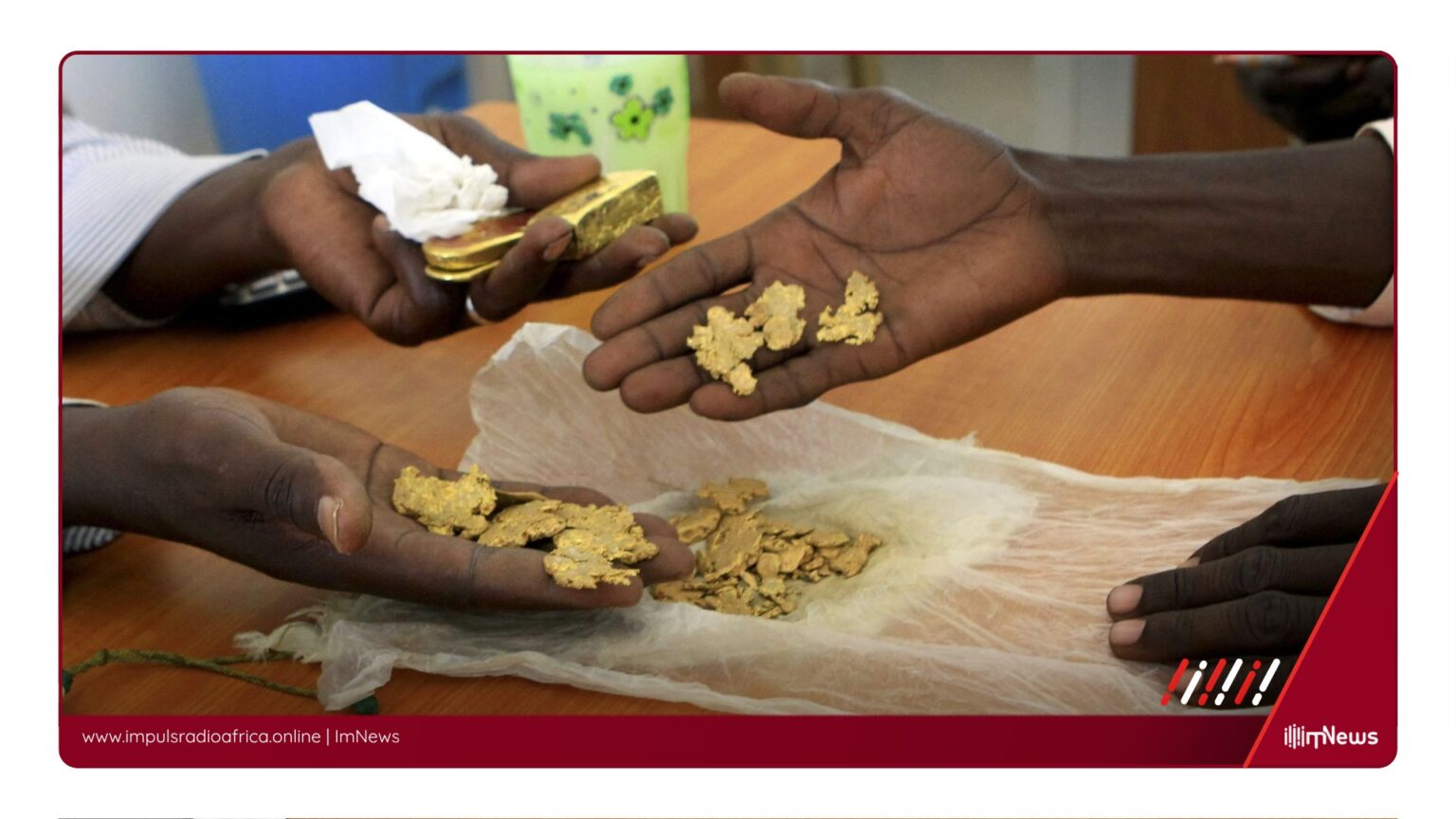
Gold Rush Amidst War: Sudan’s Economy soars as Gold Revenues Reach 113% Khartoum, Sudan — Amidst the protracted civil war that has gripped Sudan since 2019, the nation’s gold sector has emerged as a beacon of economic resilience.
The Sudanese Mineral Resources Company (SMRC) reported that artisanal gold revenues soared to 113% of projected targets in the first quarter of 2026, a stark contrast to the economic turmoil engulfing the country. This surge in gold production, which reached 89% of planned output, has solidified gold’s position as Sudan’s main economic lifeline.
The precious metal now accounts for over 58% of the country’s total export value, a significant shift from Sudan’s traditional reliance on oil exports.
The Sudanese government is leveraging the mining sector as a pivotal opportunity for economic recovery and is actively courting foreign investment. Despite the ongoing conflict, the sector has continued to attract international players, notably from Russia, China, Canada, and Gulf states.
However, the protracted armed conflict has led to withdrawals and hesitation from other investors, particularly from the United States.
In a bid to bolster the national economy, the Sudanese government has taken steps to improve environmental safety standards and expand digital governance in the mining sector. Nevertheless, the informal nature of artisanal mining, which dominates production, remains a concern. It contributes to the conflict and hinders peace efforts, while also limiting state revenue collection and weakening export controls.
The Central Bank of Sudan (CBoS) has implemented stricter control measures to ban the export of gold by government agencies, individuals, and companies, excluding concession companies operating in mining. Despite these measures, smuggling continues to undermine the country’s official export revenues, with estimates suggesting that between 321 and 474 tonnes of African gold are smuggled annually, valued at between $24 billion and $35 billion.
The Sudanese government’s efforts to attract foreign investment and stabilize the economy through the mining sector are commendable, but the challenges posed by the informal nature of artisanal mining cannot be overlooked.
The path to sustainable economic recovery in Sudan remains fraught with complexities, and the future of the nation’s gold mining sector is closely tied to the resolution of the ongoing conflict.
*Additional reporting by ImNews | Sources consulted: 5*
—
This original article was produced by the ImNews editorial team
Source: Africa.businessinsider
Source: Olamilekan Okebiorun