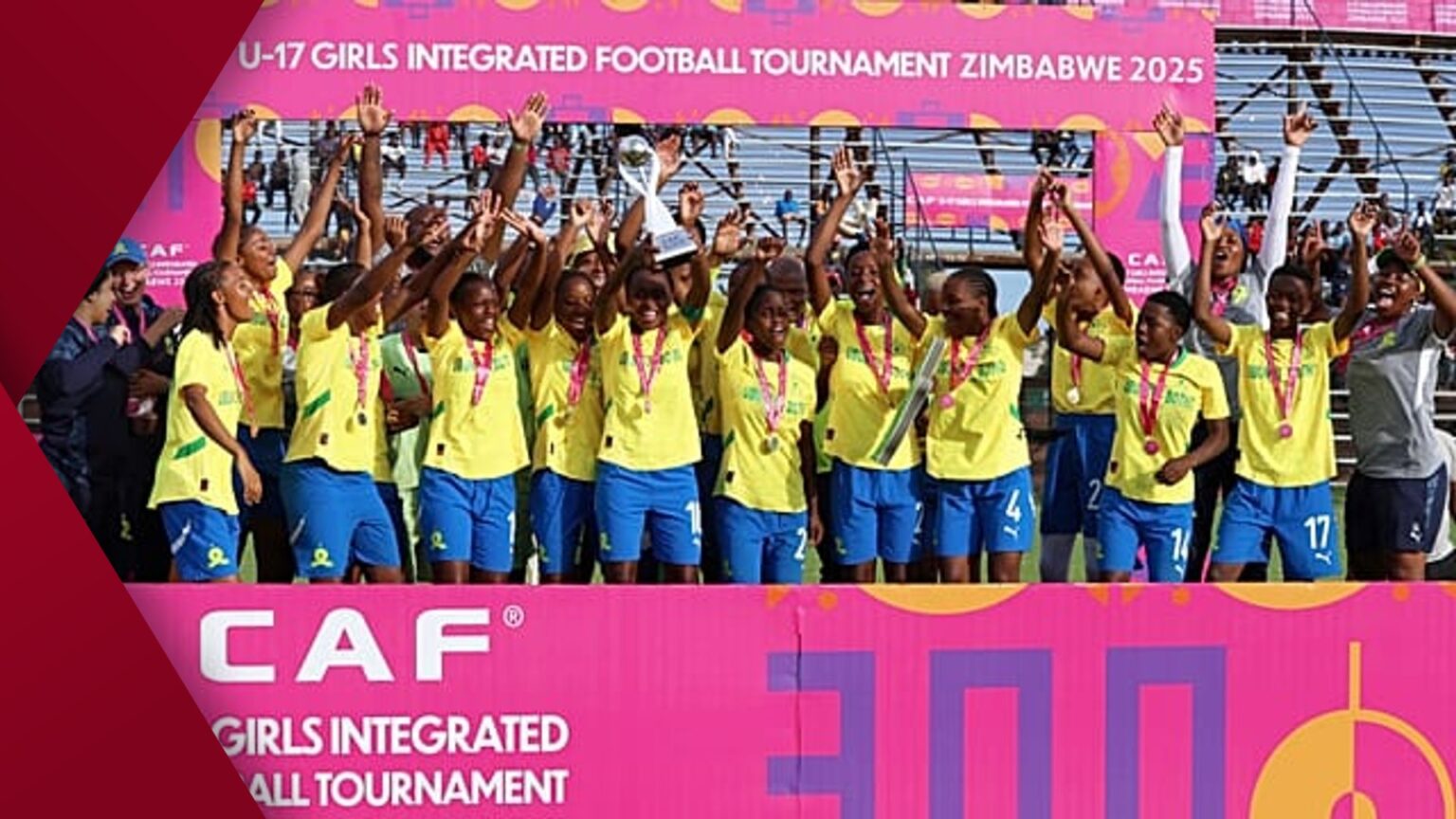
Girls’Soccer Tournament in Zimbabwe Promotes HPV Vaccine Awareness. Harare, Zimbabwe — The Lishoeshoe soccer club from Lesotho faced a tough challenge in the final of a regional Under-17 girls’ tournament in Zimbabwe. Despite losing by four goals to South Africa’s Mamelodi Sundowns, the tournament served a significant purpose beyond the final score.
The event aimed to build confidence among girls about the HPV vaccine and prevent cervical cancer, a disease that affects millions globally, according to official statements.
The Goal Getter Campaign, initiated in Tanzania and Eswatini last year, expanded to Zimbabwe in December.
The campaign uses soccer to promote awareness and trust in the HPV vaccine, which is crucial for girls aged between 9 and 14 years.
GAVI, the Vaccine Alliance, one of the tournament’s organizers, noted that the vaccine can prevent up to 90% of cervical cancer cases, saving families thousands of dollars in treatment costs. After setbacks due to the COVID-19 pandemic, Africa has intensified HPV vaccination drives.
Coverage for at least one dose of the HPV vaccine increased to 40% in 2023 from 28% the previous year, behind North, Central, and South America, according to the World Health Organization.
The girls’ soccer tournament is a key part of this effort. Olly Cann, a GAVI spokesman, explained that the campaign allows them to blend sport and health, creating a safe space for girls to feel trusted and empowered. During the tournament, mothers had the opportunity to vaccinate their children against HPV at a nearby clinic, further highlighting the campaign’s impact.
Cervical cancer is the fourth most common cancer among women worldwide, with Africa accounting for nearly a quarter of global deaths, said Cann.
In Zimbabwe, cervical cancer is the most common cancer among women and kills about 2,000 annually, according to the national cancer registry. Zimbabwe recently introduced a single-dose HPV vaccine, a shift authorities hope will boost vaccination rates.
However, misinformation and stigma around reproductive health remain significant challenges. Barbara Mashonga, a nurse at Budiriro Polyclinic in Harare, reported that most vaccinations are delivered through schools due to families’ reluctance to bring their children to clinics.
The campaign organizers are optimistic that soccer — based initiatives can help bridge the gap and raise awareness.
“Cancer is a big disease, so every child should get the vaccine so they can be protected,” said Nteboheleng Leticia Sooane, a participant from Lesotho. Further details about the campaign and vaccination efforts are expected as the campaign continues to reach more communities in Africa.
*Additional reporting by ImNews | Sources consulted: 5*