Ghana’s Consumer Inflation Hits Five-Year Low. Accra, Ghana — 2026-02-04 Lead Paragraph: Ghana’s consumer inflation rate has dipped to a five-year low, reaching 3. 8% in January, according to official data.
This marks the 13th consecutive month of disinflation, with prices rising only marginally by 0. 2% month-on-month.
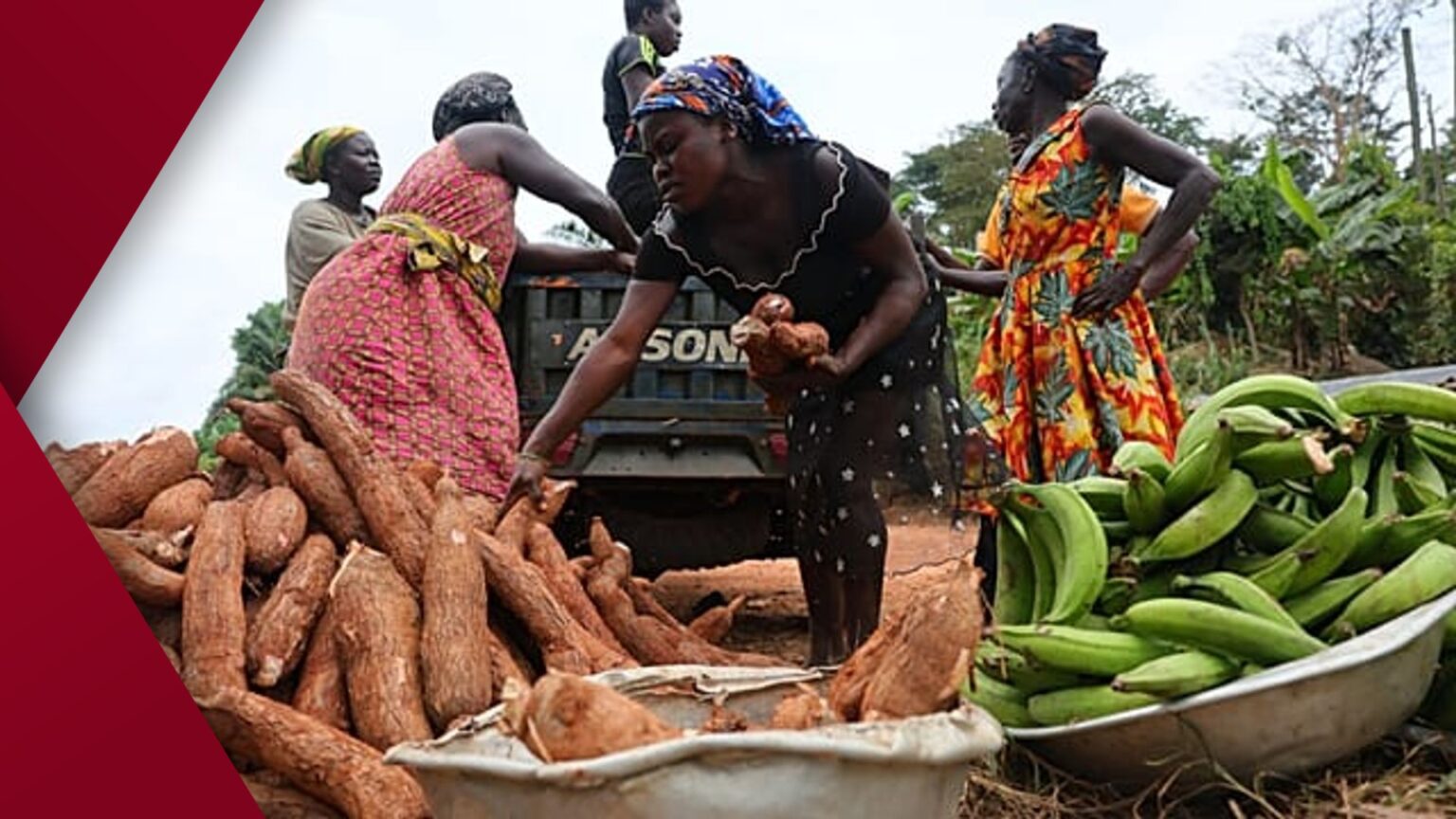
The Ghana Statistical Service attributed the decline to a combination of factors, including a stronger currency, reduced import costs, and improved food supply.
The slowdown in food inflation, which stood at 3. 9% year-on-year, and the decrease in non-food prices by 0. 4% compared to the previous month, reflect a broad easing across the economy.
This trend is seen as a positive sign for the West African nation, which has been addressing economic challenges in recent years. Ghana’s monetary policy has been tightened over the past year, alongside fiscal reforms that are part of the country’s International Monetary Fund (IMF) Programme. This has contributed to the steady decline in inflation.
As a major producer of gold and cocoa, Ghana’s economic recovery has been closely watched, especially after a period marked by soaring prices, debt restructuring, and an IMF-backed recovery plan. Lower inflation is expected to alleviate pressure on households and businesses, although policymakers remain cautious.
The government has not yet commented on the implications of the latest inflation figures for its economic policies.
The steady decline in inflation in Ghana is a significant development for the country’s economic recovery.
However, the situation remains fluid, and further details are expected as the government and policymakers assess the implications of these figures for the nation’s economic future.