Rabat, Morocco — In a significant development that underscores the complex geopolitical dynamics of the African continent, the Gulf Cooperation Council (GCC) has thrown its full weight behind Morocco’s sovereignty claims over the contested territory of Western Sahara. This decision comes in the wake of the United Nations Security Council’s approval of Morocco’s proposed autonomy plan for the region.
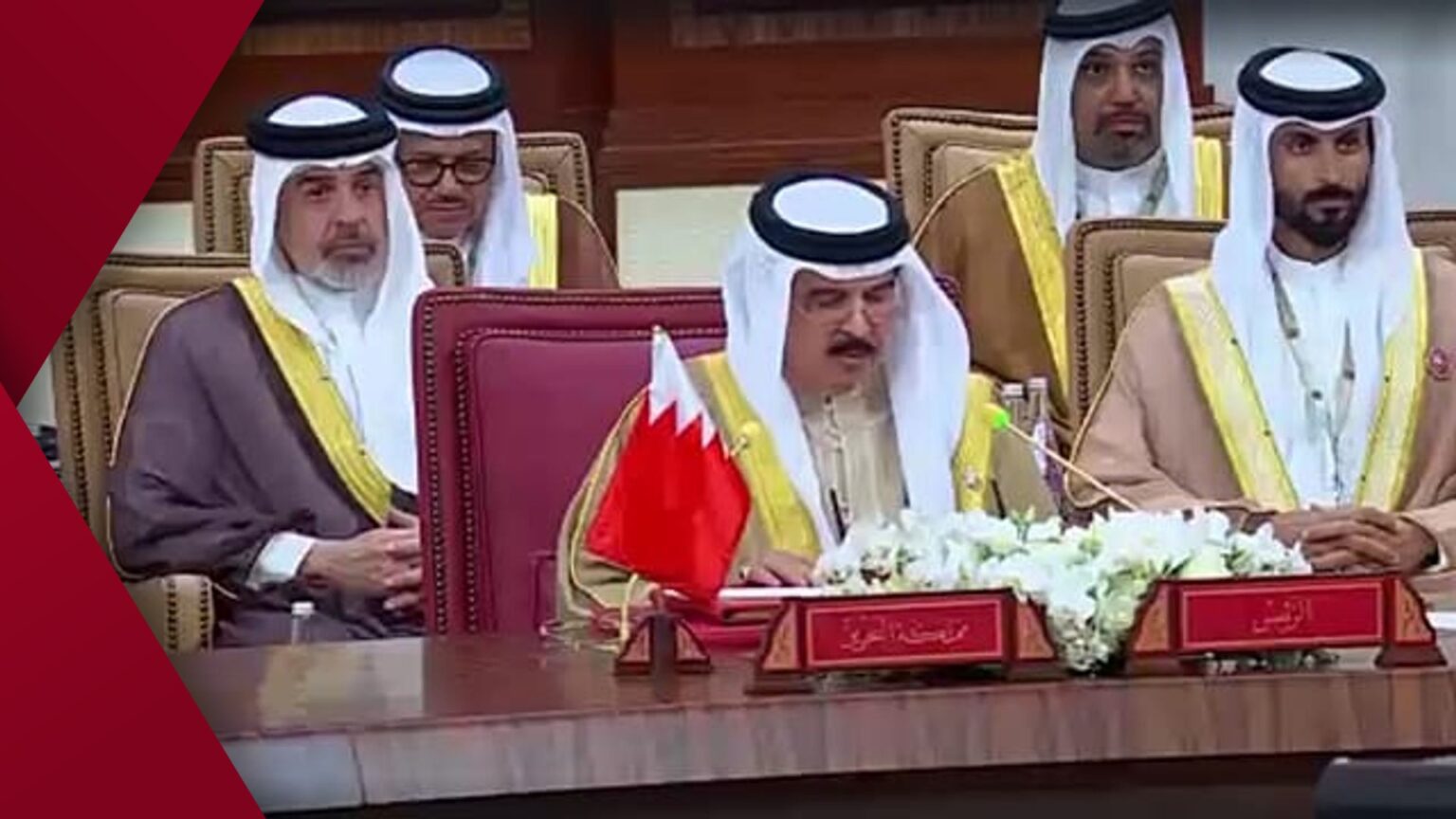
The GCC’s unwavering support for Morocco’s claim over Western Sahara is a reflection of the strategic partnerships forged among member states based on shared values and mutual interests. The backing from the GCC, which includes Kuwait, the United Arab Emirates, Bahrain, Saudi Arabia, Oman, and Qatar, signifies a commitment to the defense of territorial integrity that transcends mere diplomatic gestures.
The UN Security Council’s Resolution 2797, adopted on October 31, 2025, endorses Morocco’s autonomy plan, which has been lauded as a feasible and realistic solution to the protracted conflict. The Moroccan autonomy plan proposes granting Western Sahara limited self-governance under Moroccan sovereignty, a proposition that has garnered international backing as a pragmatic approach to resolving the stalemate.
The historical backdrop of the Western Sahara dispute is a complex narrative. Since the Spanish colonial power’s withdrawal in 1975, the territory has been at the center of a contentious sovereignty claim between Morocco and the Algeria-backed Polisario Front, which seeks to establish an independent state known as the Sahrawi Republic. The UN’s involvement in the conflict dates back to 1963, with the Security Council approving resolutions supporting Morocco’s claim to the territory.
King Mohammed VI’s proactive role in presenting the Autonomy Initiative to the UN Security Council and designating October 31 as “Unity Day” has been pivotal in the region’s political discourse. However, the Polisario Front has expressed opposition to the UN resolution, arguing that it undermines the UN peace process and violates the territory’s decolonization status.
The regional dynamics surrounding the Western Sahara conflict are further compounded by Morocco’s strategic positioning within the African landscape. The GCC’s backing of Morocco’s autonomy plan not only underscores the GCC’s commitment to its member states but also reflects a broader geopolitical strategy aimed at fostering stability and security in the region.
Expert opinions suggest that the GCC’s support for Morocco could have far-reaching implications for the region. As one analyst noted, “The GCC’s backing of Morocco is a strategic move that not only solidifies its relationship with one of Africa’s key players but also sends a message of unity against external pressures that could threaten the region’s stability.”
In conclusion, the GCC’s support for Morocco’s sovereignty claims over Western Sahara is a landmark decision that could redefine the geopolitical landscape of North Africa. As the region grapples with the complexities of territorial disputes and regional stability, the Moroccan autonomy plan, endorsed by the UN Security Council and backed by the GCC, emerges as a viable path forward.
Source: Africa
Additional reporting by ImNews