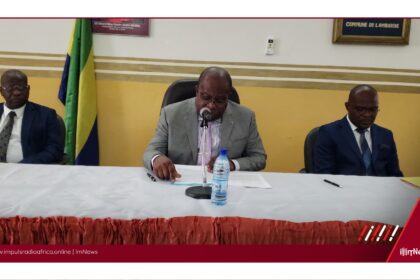
Women’s Day Celebrations in Lambaréné: Focusing on Water and Energy Challenges in Gabon. Lambaréné, Gabon — April 18, 2026 In the heart of Gabon, the 28th edition of the National Women’s Day was marked by a resolute call to action in Lambaréné, a province in Moyen-Ogooué.
The event, originally themed “Engagement for gender equality and the empowerment of Gabonese women, “took on a more pressing focus amidst the ongoing water and energy crisis affecting the region.
The crisis has disproportionately impacted women, who often bear the brunt of water and energy shortages. This has led to an increased burden on their daily lives, as they spend significant time collecting water, which in turn hinders their participation in other activities, including public events. Amidst the festivities, the Gabonese government, under President Brice Clotaire Oligui Nguema, highlighted its commitment to addressing the crisis.
A 132 billion CFA franc plan to restore water supplies has been outlined, but the urgency of the situation in Lambaréné cannot be overstated.
The province has experienced historical frustrations due to the 48-hour outages, prompting the need for immediate solutions.
The African Union has emphasized the importance of gender — responsive water governance to ensure sustainable water availability, a key issue in Lambaréné.
The Gabonese government’s response includes structural reforms and significant investments, which some view as positive steps towards resolving the crisis.
The National Women’s Day has emerged as a critical platform for mobilizing against the persistent water and energy crisis. Women from across the region have come together to call for action, emphasizing the need for sustainable solutions that address both immediate needs and long-term environmental and social impacts.
The situation in Lambaréné serves as a stark reminder of the broader challenges faced by many African communities in accessing essential services.
The crisis has also brought to light the gender disparities that persist in many areas, with women often being the primary caregivers and bearers of these challenges.
As the celebrations draw to a close, the focus now shifts to the implementation of the government’s plans and the effectiveness of the African Union’s recommendations.
The coming months will be crucial in determining whether the mobilization of this year’s National Women’s Day can lead to tangible improvements in the lives of women and all residents of Lambaréné.
*Additional reporting by ImNews | Sources consulted: 2*
—
By This original article was produced by the ImNews editorial team
Source: Agpgabon
Source: Redaction