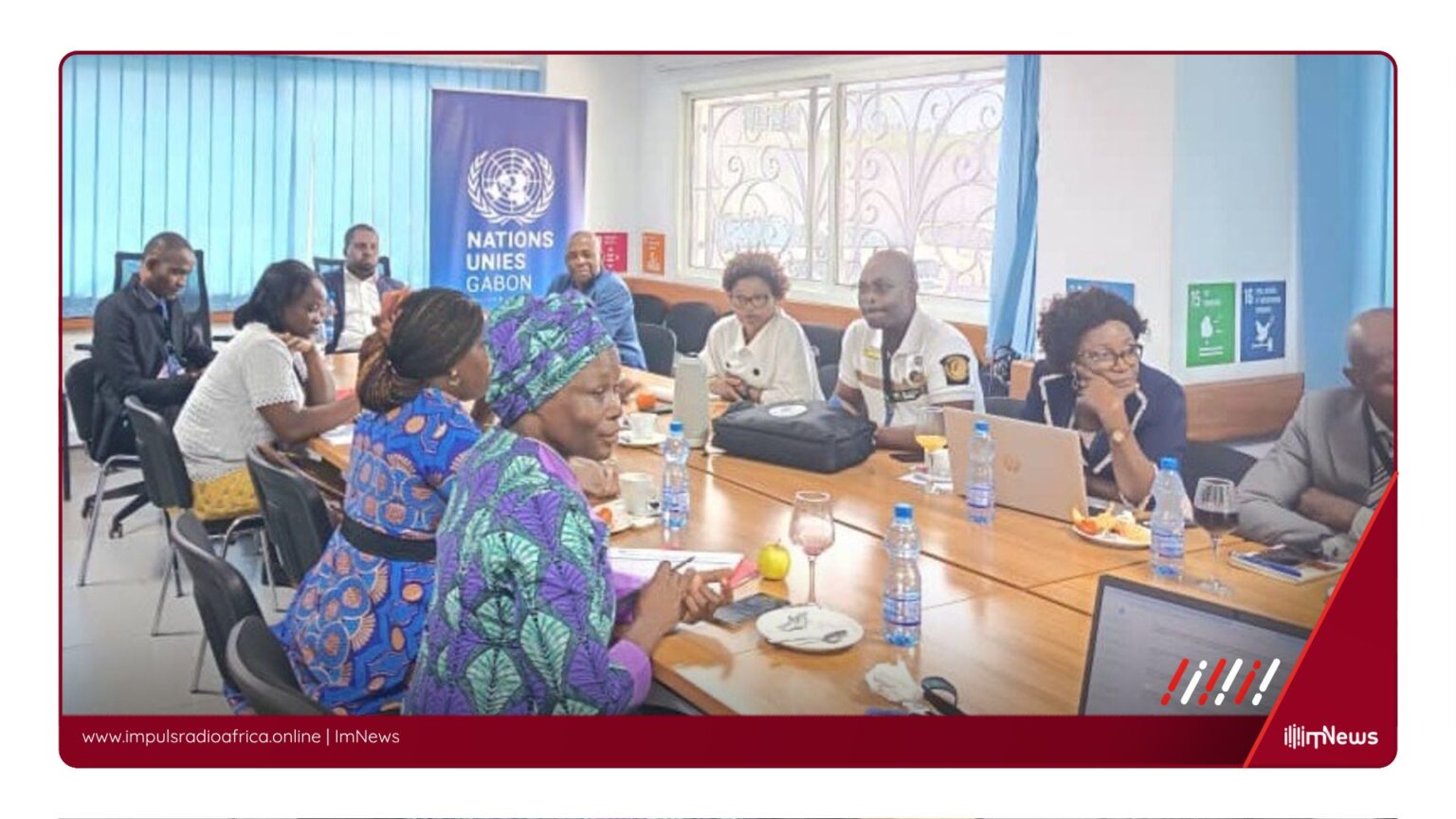
Libreville, Gabon — April 14, 2026 In a pivotal move towards enhancing its human rights framework, Gabon has organized a technical workshop aimed at reinforcing its national mechanism for coordinating reports and following up on human rights recommendations.
The event, which ran from April 8 to 13, 2026, was a collaborative effort between the Gabonese Direction générale des Droits de l’Homme (DGDH) and the United Nations High Commissioner for Human Rights (HCDH).
The workshop’s primary focus was on consolidating the national system for tracking recommendations emanating from international mechanisms, including the Universal Periodic Review (EPU) and the United Nations treaty bodies. This initiative is part of Gabon’s broader strategy to align its national policies with international human rights standards and commitments. Under the coordination of Gabon’s Director-General for Human Rights, Edna Paola Biyogou épouse Minko, the workshop engaged in a comprehensive review of the country’s reporting process.
The sessions were structured around two main objectives: improving the quality of international reporting and strengthening the institutional framework.
The first objective was achieved through technical re — readings and multi-sectorial validations of Gabon’s mid-term report for the fourth cycle of the EPU. This process aimed to ensure the coherence, reliability, and traceability of information related to the implementation of recommendations accepted by Gabon in 2024. It also sought to enhance a participatory and inter-ministerial approach, in line with international standards.
The second objective involved the technical revision and finalization of a draft decree designed to reinforce the national coordination mechanism.
The decree aims to provide the state with a permanent, structured, and internationally compliant device for better coordination in the preparation of reports to international and regional mechanisms, systematic follow — up on the implementation of recommendations, and the integration of international obligations into national public policies.
The evaluation of the existing mechanism, established by a 2007 decree, highlighted several deficiencies, including the lack of a permanent secretariat, limited coordination, and insufficient follow-up. These findings justified the ongoing reform efforts.
The workshop concluded with participants emphasizing the importance of the results achieved as a significant step in reinforcing Gabon’s national implementation of international human rights commitments. It reflects the government’s willingness to comply with international standards and promote human rights effectively, in collaboration with technical and financial partners.
As Gabon continues to work on improving its human rights record, the workshop’s outcomes could have substantial implications for the country’s human rights landscape.
The emphasis on international collaboration and national commitment will be crucial in the ongoing efforts to align Gabon’s policies with global human rights standards.
*Additional reporting by ImNews | Sources consulted: 5*
—
By This original article was produced by the ImNews editorial team
Source: Agpgabon
Source: Redaction