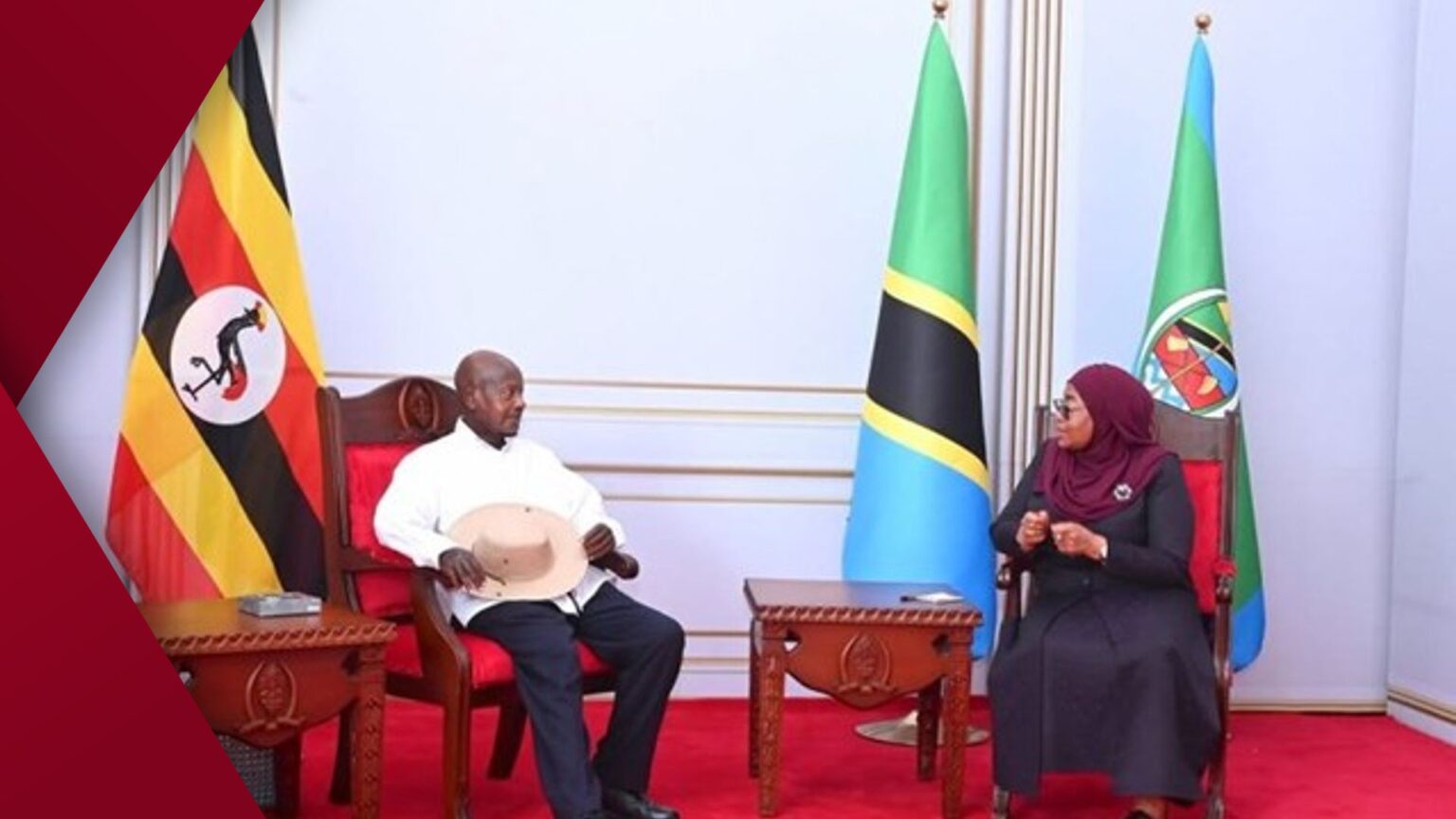
From Hoima to Tanga: Tanzania and Uganda’s Pipeline of Hope and Hesitation. Dar es Salaam, Tanzania — On February 7, 2026, the presidents of Tanzania and Uganda met at State House, their first official visit since their respective re-elections.
The meeting, while symbolizing regional cooperation, also highlighted the complex economic and political landscape surrounding the East African Crude Oil Pipeline (EACOP).
The EACOP, a 1,443-kilometre pipeline connecting Hoima, Uganda, to the Port of Tanga in Tanzania, is now over 60% complete. It is a project valued at approximately $5 billion, with first exports expected in mid-2026.
The pipeline is designed to transport up to 230,000 barrels of oil per day, opening global markets for Uganda’s estimated 6.
5 billion barrels of reserves and anchoring Tanzania’s ambition to become the region’s primary energy and logistics hub. For Tanzania, the pipeline represents a significant economic opportunity.
The government estimates it could generate more than $2 billion annually in export revenues.
In Uganda, it is seen as a vital infrastructure project to stimulate economic growth and provide an export route for its oil resources.
However, the project is not without controversy. More than 14,000 households along the pipeline route have been affected by land acquisition, according to project disclosures.
While EACOP officials say compensation payments exceed $300 million, environmental concerns persist.
Conservation groups warn of risks to Lake Victoria’s watershed and fragile ecosystems. Several Western banks withdrew financing under climate pressure, leaving the project increasingly backed by Chinese lenders and regional institutions.
The pipeline’s route through Tanzania rather than Kenya, as was initially planned for the Uganda-Kenya Crude Oil Pipeline (UKCOP), was influenced by Uganda’s landlockedness and regional rivalries.
The decision to route the pipeline through Tanzania was also seen as a strategic move to enhance regional integration and economic independence. Despite the challenges, both leaders expressed optimism about the project’s potential to boost the region’s economy.
President Samia praised President Museveni as an icon of change and a doyen of African leadership.
President Museveni echoed the sentiment, emphasizing the importance of political freedom in delivering economic self — reliance.
The two leaders also discussed plans to expand ports in Dar es Salaam, Tanga, and Mtwara, as well as rail links from Tanga to Musoma, aiming to reduce congestion and slash transport costs by up to 40%.
For many citizens, the promise of jobs and cheaper transport competes with concerns about governance and environmental costs.
As the project progresses, citizens are watching closely to ensure that progress moves as fast as the pipeline itself. Further details are expected as the project continues to unfold, with the first tanker set to leave Tanga next year if all goes as planned.
The EACOP pipeline may not only carry crude oil but also the hopes and expectations of millions across East Africa.
*Additional reporting by ImNews | Sources consulted: 5*