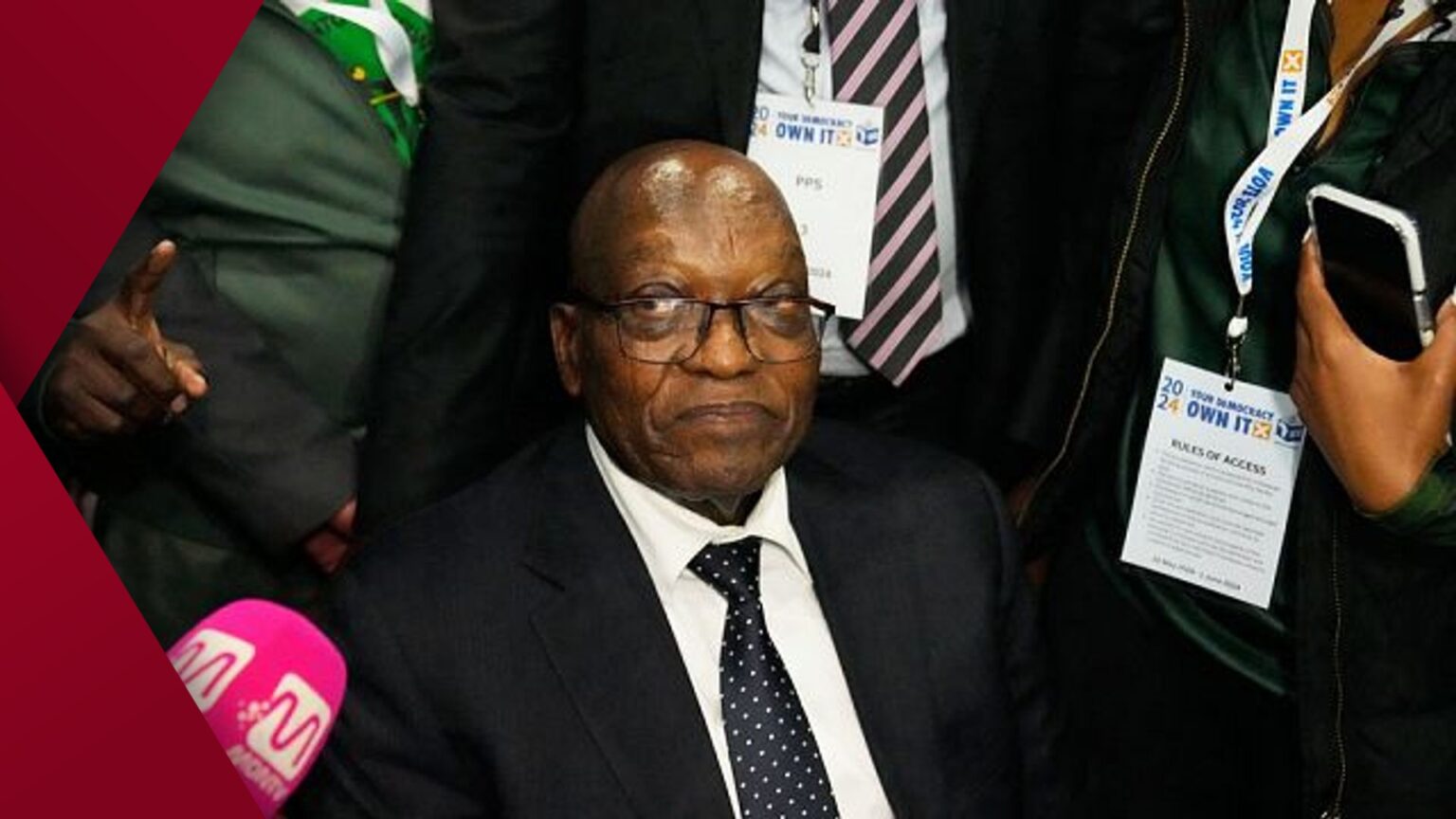
Johannesburg, South Africa — The shadow of South Africa’s tumultuous political past loomed large once more as former President Jacob Zuma faced the courts once again, this time over legal fees stemming from his protracted corruption defense.
In a case that has become emblematic of the nation’s struggle to address its legacy of corruption, Zuma stood alongside French arms manufacturer Thales, which is also ensnared in the sprawling legal saga. The charges against Zuma, which include corruption, fraud, and money laundering, stem from allegations of 783 illegal payments he is accused of receiving from Thales and business owner Schabir Shaik. Zuma has steadfastly denied these accusations, branding them as a politically motivated “witch hunt.”
The trial, which has been mired in delays for nearly two decades, has been a testament to the complexities of South Africa’s judicial system. Legal challenges, appeals, and questions about the impartiality of the lead prosecutor have all contributed to the drawn-out process. Zuma’s lawyers have repeatedly questioned the impartiality of lead prosecutor Billy Downer, leading to further delays. Additionally, Zuma’s health concerns have also played a role in stalling the case.
On Thursday, December 4, 2025, both Zuma and Thales were in court to appeal the dismissal of their bid to have the charges dropped. The court heard arguments for leave to appeal a June 2025 ruling that dismissed their attempt to have the charges thrown out. Thales has argued that the deaths of two former directors, Pierre Moynot and Alain Thetard, who had intimate knowledge of the case, have compromised their defense.
The state’s response has been equally combative. Prosecutors have accused Zuma of intentionally avoiding his day in court for over 18 years. Prosecutor Wim Trengrove has likened Zuma’s tactics to “Stalingrad tactics,” suggesting a deliberate strategy to delay the trial.
The implications of this case extend beyond the courtroom. It touches on the broader issue of corruption in South Africa and the nation’s ongoing efforts to hold those in power accountable. The case has also highlighted the challenges faced by the country’s judicial system in navigating complex and politically charged cases.
Expert opinions from legal analysts suggest that the outcome of this case could set a precedent for how similar cases are handled in the future. If Zuma is found guilty, it could signal a significant victory for anti-corruption efforts in South Africa. However, if the charges are dropped, it may fuel concerns about the effectiveness of the country’s legal system in tackling high-profile corruption cases.
As the nation awaits the next chapter in this legal saga, the stakes remain high. The outcome of Zuma’s trial could have profound implications for South Africa’s fight against corruption and the integrity of its judicial system.
Source: AfricaNews
Additional reporting by ImNews