Africa’s 2025 Elections: A Mixed Bag of Power Consolidation and Democratic Struggles. Nairobi, Kenya — 2025-12-30 Lead Paragraph The year 2025 has been marked by a series of elections across Africa, with varying outcomes reflecting the continent’s complex political landscape. From military coups seeking legitimacy through the ballot box to competitive races that underscored democratic resilience, the elections have raised questions about the true nature of governance and power transitions in the region.
Body.
In Gabon, former general Brice Oligui Nguema’s election win in April, following a coup in 2023, has sparked debate over the extent to which elections can legitimize military rule. While the election ended the formal transition period, critics argue it merely reinforced military power through democratic means.
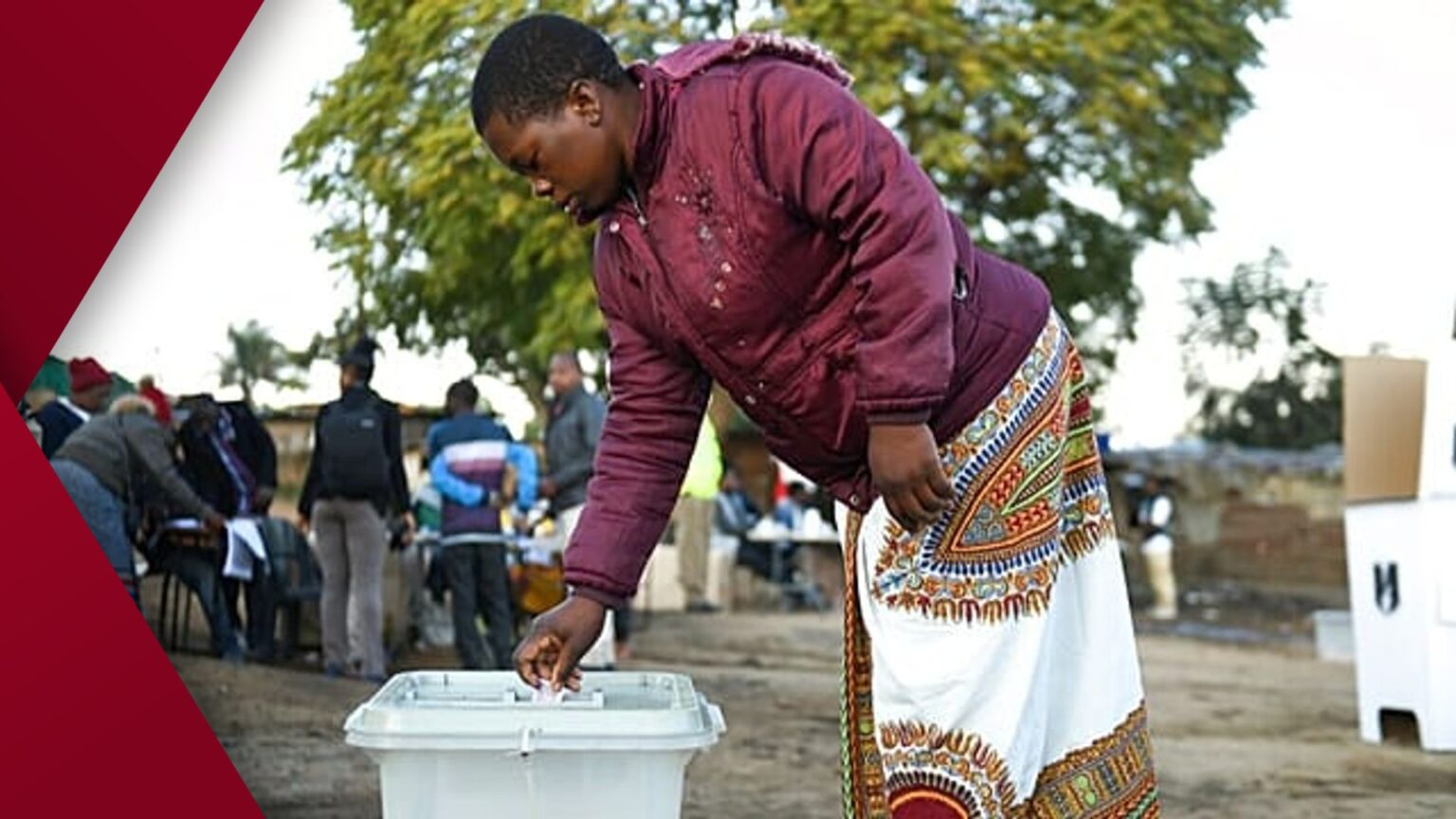
Malawi’s September election, however, demonstrated a more competitive democratic process, with incumbent president Lazarus Chakwera facing a tough challenge.
The election’s openness and unpredictability reinforced the country’s reputation as a Southern African democracy where institutions still matter. Seychelles’presidential election, which went to a runoff, highlighted the island nation’s political pluralism.
President Wavel Ramkalawan’s runoff victory reflected a divided electorate and ongoing debates over governance and accountability.
Cameroon’s president, Paul Biya, secured another term in October, extending his presidency.
The election took place amid low voter enthusiasm and opposition complaints, raising questions about leadership renewal and the fairness of the electoral process.
Ivory Coast’s president, Alassane Ouattara, won a fourth term in October, with several key opposition figures barred from running.
The election, while avoiding the violence of previous cycles, continued debates over fairness and inclusivity. Tanzania’s president, Samia Suluhu Hassan, enjoyed a massive victory in October, though it came against a backdrop of opposition restrictions and allegations of harassment.
The government highlighted stability and economic progress, while critics questioned the openness of the political playing field. Guinea’s first presidential election since the 2021 coup saw junta leader Mamadi Doumbouya widely expected to win, positioning the election as a transition back to civilian rule.
However, the vote raised questions about whether elections alone signify the return of democracy.
In the Central African Republic, constitutional changes allowed President Faustin — Archange Touadéra to seek another term in December.
The election took place amid security concerns and international scrutiny, reflecting how legal reforms can reshape term limits without necessarily altering power dynamics.
The 2025 elections in Africa underscore a persistent tension between formal democratic processes and the concentration of power.
While elections are held across the continent, the outcomes suggest that they do not automatically translate into meaningful political change.
The challenge for 2026 and beyond will be whether elections evolve into tools for democratic deepening or continue to serve primarily as instruments of authority consolidation.