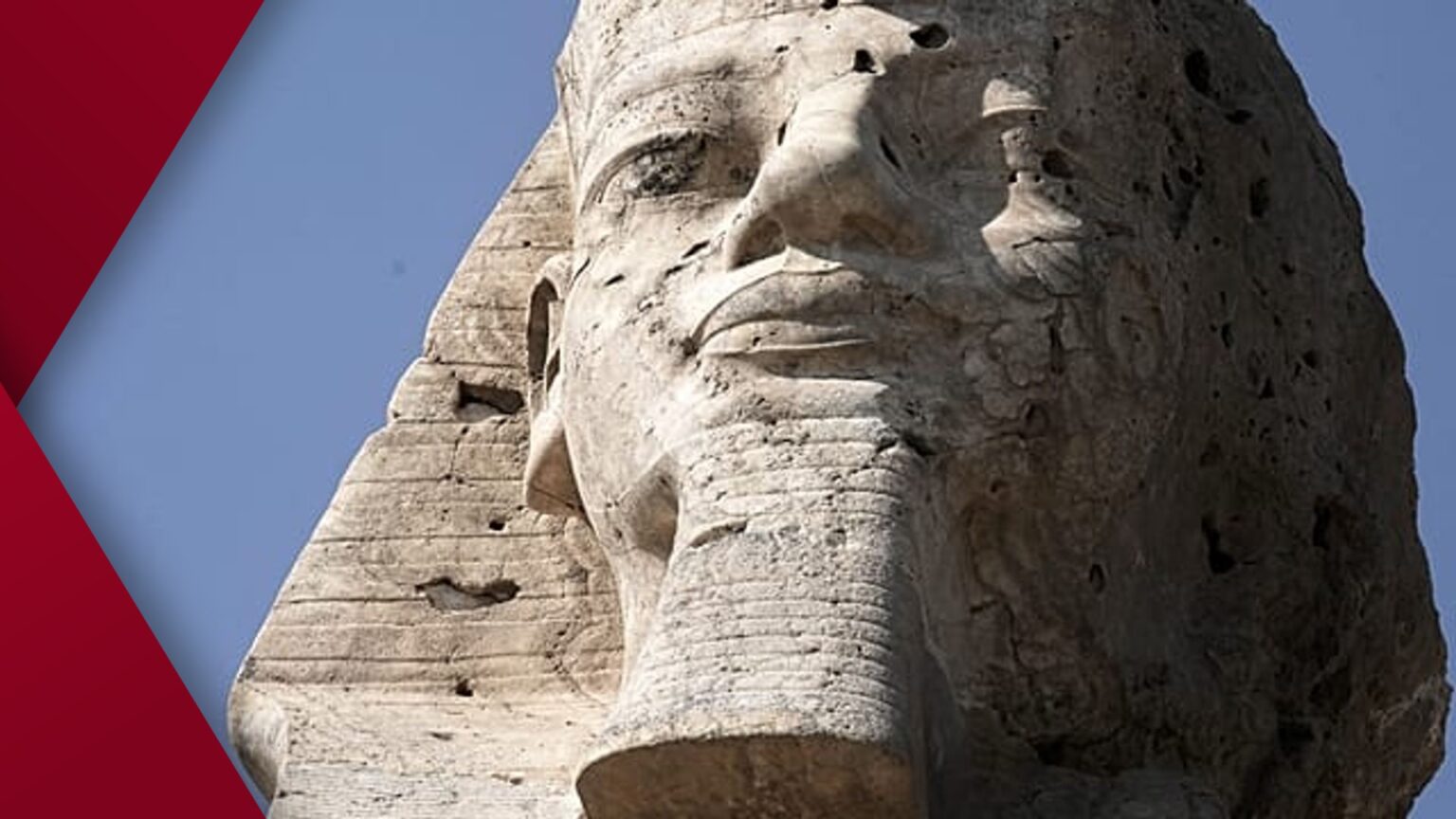
Egypt Unveils Newly Restored Statues of Amenhotep III in Luxor. Luxor, Egypt — Egypt has celebrated the completion of a significant archaeological project, the restoration of the Colossi of Memnon, in the southern city of Luxor.
The colossal alabaster statues, which represent Amenhotep III, a pharaoh who ruled approximately 3,400 years ago, were reassembled after a renovation project spanning two decades.
Mohamed Ismail, secretary — general of the Supreme Council of Antiquities, highlighted the significance of the event: “Today we are celebrating, actually, the finishing and the erecting of these two colossal statues. ” The colossi, which are part of Amenhotep III’s funerary temple, are of great importance to Luxor, a city renowned for its ancient temples and other historical relics.
Amenhotep III, known for his rule during the New Kingdom, a period of great prosperity for ancient Egypt, reigned from 1390 to 1353 BCE.
The restoration of the colossi is part of an effort to “revive how this funerary temple of king Amenhotep III looked like a long time ago,” Ismail explained.
The statues, toppled by an earthquake about 1,200 years ago, had been fragmented and partially quarried away.
However, archaeologists were able to retrieve and reassemble the blocks to rebuild the colossi.
An earlier earthquake had already left the temple and the colossi partly damaged.
The restoration project, initiated in the late 1990s by an Egyptian German mission led by German Egyptologist Hourig Sourouzian, aimed to save the last remains of a once-prestigious temple.
The statues, now elevated two meters above their original level, showcase Amenhotep III seated with hands resting on his thighs, facing eastward towards the Nile and the rising sun. Sunday’s unveiling in Luxor follows the recent inauguration of the Grand Egyptian Museum, part of the government’s efforts to boost tourism and stimulate the economy.
The tourism sector, heavily reliant on Egypt’s rich pharaonic artifacts, has seen a recovery in recent years after the impact of the 2011 uprising and the COVID-19 pandemic. Tourism and Antiquities Minister Sherif Fathy expressed optimism about the future of the sector, stating that 18 million tourists are expected to visit the country this year, with a target of 30 million visitors annually by 2032. Further details are expected regarding the impact of the restored colossi on tourism and cultural heritage in Egypt.