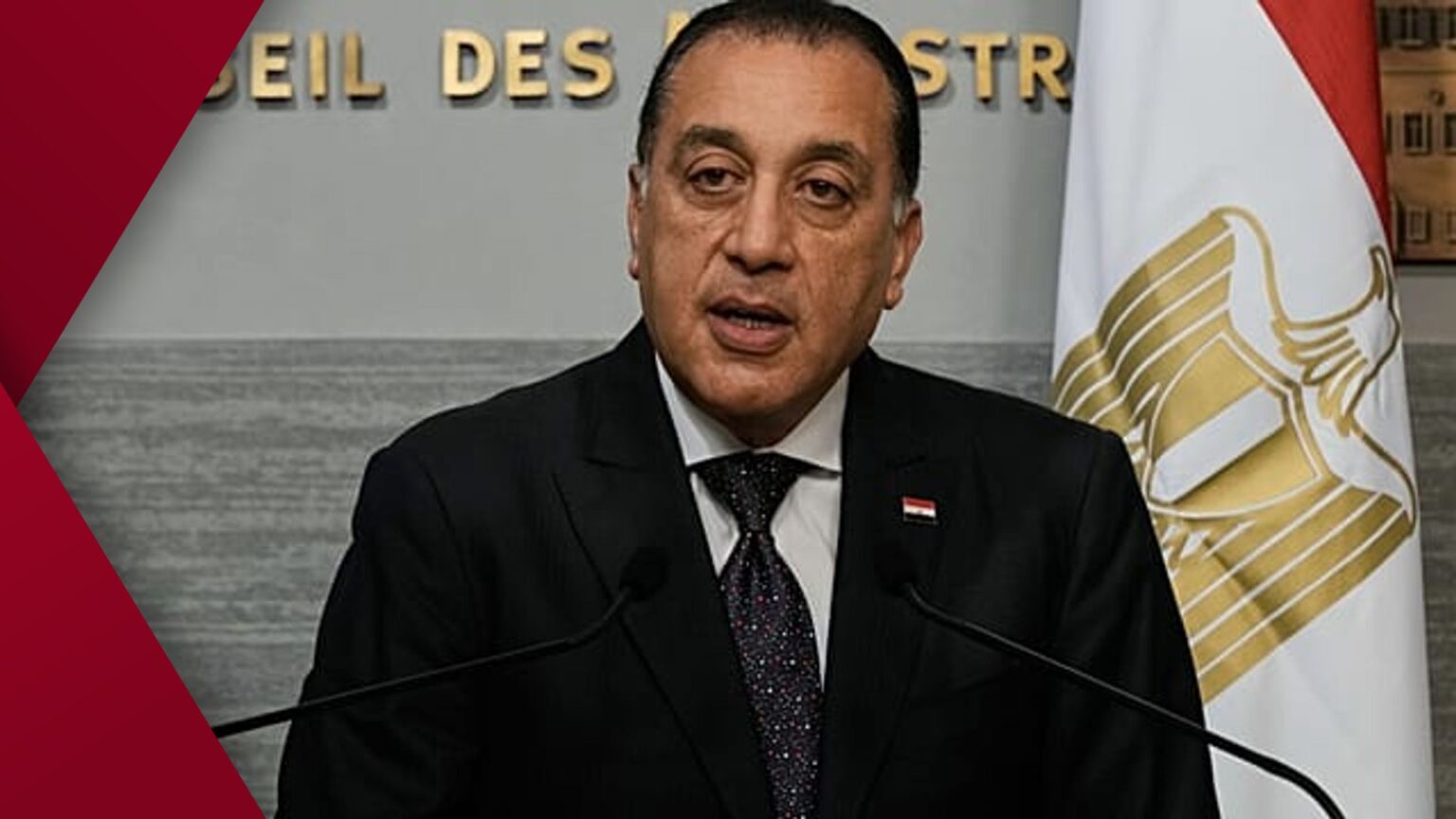
Egypt Prime Minister Defends Fuel Price Hike Amidst Iran War. Cairo, Egypt — Egyptian Prime Minister Mustafa Madbouly has defended the government’s decision to raise fuel prices, stating that the move is necessary to ensure local production continues and the economy remains stable.
The announcement comes amidst the escalating tensions between the United States and Israel on one side and Iran on the other, which has led to a surge in global oil prices.
During a cabinet meeting, Madbouly explained that the government faced a difficult choice: either maintain the current fuel prices, which would have imposed heavy costs on the state, or raise them to protect industrial and business operations from the repercussions of the conflict. “We took these decisions during exceptional circumstances, “he said adding that they can be “revised “after the war is over, confirming that Egypt is better positioned to confront this crisis than it was during previous ones.
Fuel prices in Egypt were hiked by up to 17% on Tuesday, with the cost of a liter of diesel, crucial for public transport, increasing by more than 17%.
The price of 92-octane gasoline rose by 15%, while 95-octane gasoline increased by 14%. Egypt, the most populous Arab country, heavily relies on imported fuel.
The Egyptian pound has also fallen to a record low, trading at over 52 pounds to the U.
S. Dollar on Monday.
To mitigate the impact of the war, the government announced a series of measures, including reducing official overseas trips and tightening fuel consumption across sectors.
Madbouly emphasized that the price hike was a necessary measure to absorb the significant costs associated with the Iran war. Officials commented on the matter.
According to the Petroleum Ministry, the fuel price adjustments are part of a broader strategy to manage the country’s energy sector more efficiently and to ensure that it can continue to support the economy.
The government’s decision has been met with mixed reactions. Some businesses and consumers are concerned about the increased costs, while others understand the necessity of the move in the face of global economic uncertainties. Further details are expected as the situation develops.