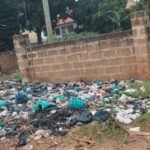
In White Nile State, Sudan, displaced families are encountering severe aid shortages, casting a spotlight on the hardships faced by internally displaced persons (IDPs) in the region. The situation has escalated as humanitarian organizations struggle to meet the growing needs of the affected populations. Many families are living in makeshift shelters, lacking basic necessities such as food, water, and medical care. According to local officials, the aid distribution has been insufficient to address the scale of the crisis, leading to increased vulnerability among the displaced communities.
The displacement crisis in Sudan has been exacerbated by conflict and economic instability, with thousands of individuals forced to flee their homes. White Nile State, one of the most affected areas, has seen a significant influx of IDPs in recent months. Humanitarian agencies have been working tirelessly to provide relief, but resources are stretched thin. “.
The situation is dire, “said a local aid worker, “and we are running out of options to help these families.”The lack of adequate shelter and hygiene facilities has also led to a rise in health concerns, particularly among children and the elderly.
The ongoing conflict in Sudan has displaced millions, and the situation in White Nile State is just one example of the broader challenges faced by IDPs across the country. The Sudanese government and international organizations have been criticized for their response to the crisis, with many calling for increased support and resources. “The international community must act swiftly to address the humanitarian crisis in Sudan, “said a spokesperson for the United Nations. “.
The displaced families are in dire need of assistance.”The humanitarian crisis in Sudan’s White Nile State underscores the urgent need for increased aid and support for internally displaced persons. As the situation worsens, the international community must step up its efforts to ensure that these vulnerable populations receive the assistance they desperately need.
Source: Local officials and aid workers