Courts, Coups & Constitutional Gambits: Africa’s Tumultuous Year-End. Cotonou, Benin — As 2025 comes to a close, Africa grapples with a tumultuous political climate marked by intense struggles for authority, fought across judicial, military, and constitutional battlegrounds. This convergence of conflict underscores both the tactical innovation and the desperation of those vying for power.
Courts Under Pressure. Judiciaries across the continent are under unprecedented political strain. What is termed as “lawfare, “the use of courts as political weapons, has turned legal institutions into battlefields.
Togo’s recent constitutional overhaul, which abolished direct presidential elections, exemplifies how incumbency is being fortified under the guise of reform. Similar scenarios are unfolding in Tanzania, Zimbabwe, and Zambia.
In Cameroon, the death in detention of opposition leader Anicet Georges Ekane, who contested election results, shocked the nation.
Ekane’s claims that he had won the vote made him a prime target. Activist Djeukam Tchameni remains imprisoned, and former minister Issa Tchiroma Bakary has fled into exile.
Coups in Legal Disguise.
While courts absorb political battles, the military remains a volatile force. Madagascar provided a case where special-forces soldiers deposed President Andry Rajoelina, and Colonel Michael Randrianirina was sworn in by the High Constitutional Court.
Benin witnessed a clandestine coup attempt against President Patrice Talon, thwarted with Nigerian Air Force support.
Guinea — Bissau experienced a dramatic twist, with a military coup following presidential election stalemate. President Umaro Sissoco Embaló himself announced the coup, raising questions about political score-settling.
The African Union responded by suspending Guinea — Bissau and condemned the breakdown of constitutional order.
Constitutional Referendums. Constitutional referendums serve as the middle ground where power is re-engineered.
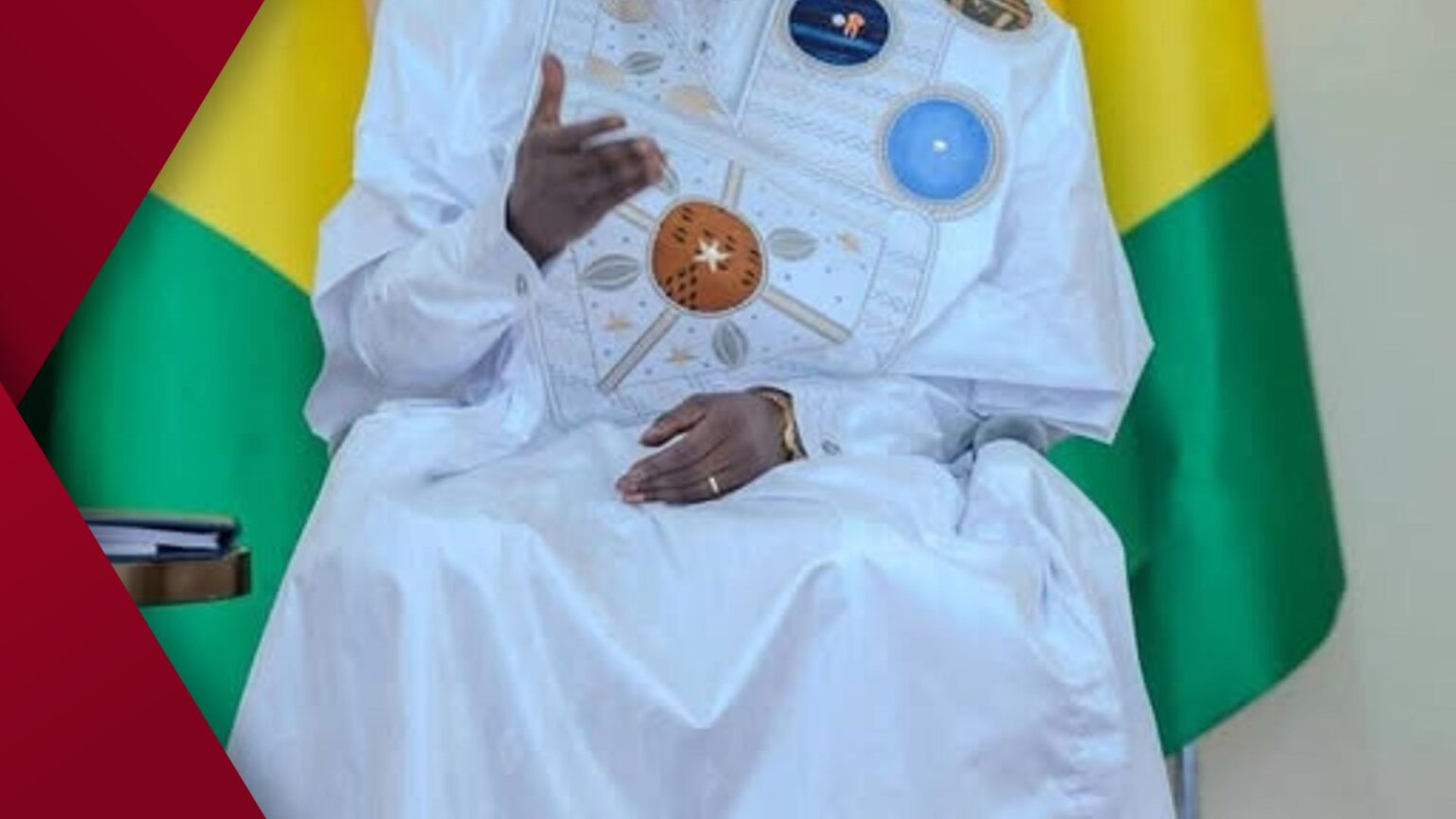
Guinea’s 2025 referendum under General Mamady Doumbouya extended presidential terms and created a Senate, sparking allegations of coerced endorsements and pre-marked ballots.
The Challenge for Continental Institutions. These developments challenge the African Union’s ability to respond to traditional coups.
The AU has suspended Madagascar and Guinea — Bissau but has been hesitant to act on democratic erosions in Togo, Cameroon, and East Africa.
Conclusion.
As Africa approaches 2026, the continent’s political flashpoints reflect a broader redefinition of authority acquisition, justification, and contestation. Soldiers seek legal cover, courts act as political actors, leaders manipulate constitutions, and regional bodies struggle to keep pace.
The answers to these questions will shape Africa’s democratic trajectory for years to come.