Officials Commented on the Matter.
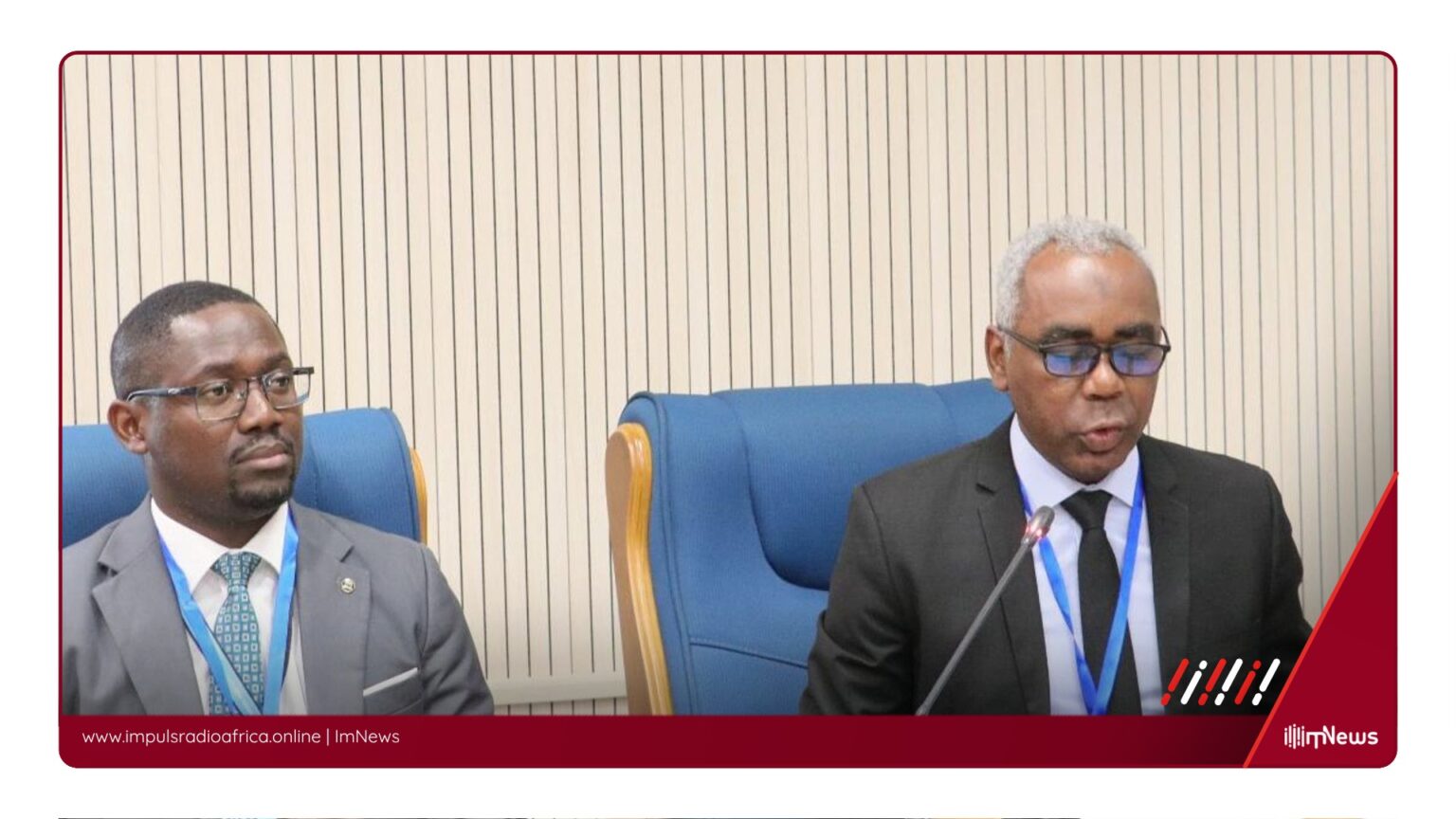
The increasing prevalence of misinformation, exacerbated by the rapid spread of digital content, was a focal point of the discussion. Representatives from the Gabonese Ministry of Communication and Media, Ali Reynald Yvon Radjoumba, emphasized the central role of states in addressing the issue. Stéphane Leonel Nze-Ngema, speaking on behalf of UNESCO, called for a comprehensive response that includes digital platforms.
Nze — Ngema highlighted the importance of strengthening international cooperation to demand greater transparency from digital giants.
The session also saw the sharing of national experiences, revealing significant disparities in legislative advancements across the Francophone world. Participants highlighted the democratic stakes at play, with digital disinformation posing a genuine threat to social cohesion and trust in institutions. Gabon has taken steps to tackle the issue, with the country aiming to establish a modern legal framework to prevent misuse, hold platforms accountable, and promote media literacy.
This initiative reflects the urgency of harmonizing practices and addressing the global challenge of misinformation.
As the APF session concludes, the international community remains vigilant, with the African Union, United Nations, and other regional bodies closely monitoring the situation.
The hope is that Gabon’s approach will serve as a balanced model for addressing digital disinformation without infringing on citizens’rights.
The discussions in Libreville underscore the need for a multifaceted strategy to combat the spread of misinformation, one that involves both legal measures and public education.
As digital landscapes continue to evolve, the challenge of maintaining a free and informed society remains at the forefront of global discourse.
*Additional reporting by ImNews | Sources consulted: 5*
—
This original article was produced by the ImNews editorial team
Source: Agpgabon
Source: Redaction