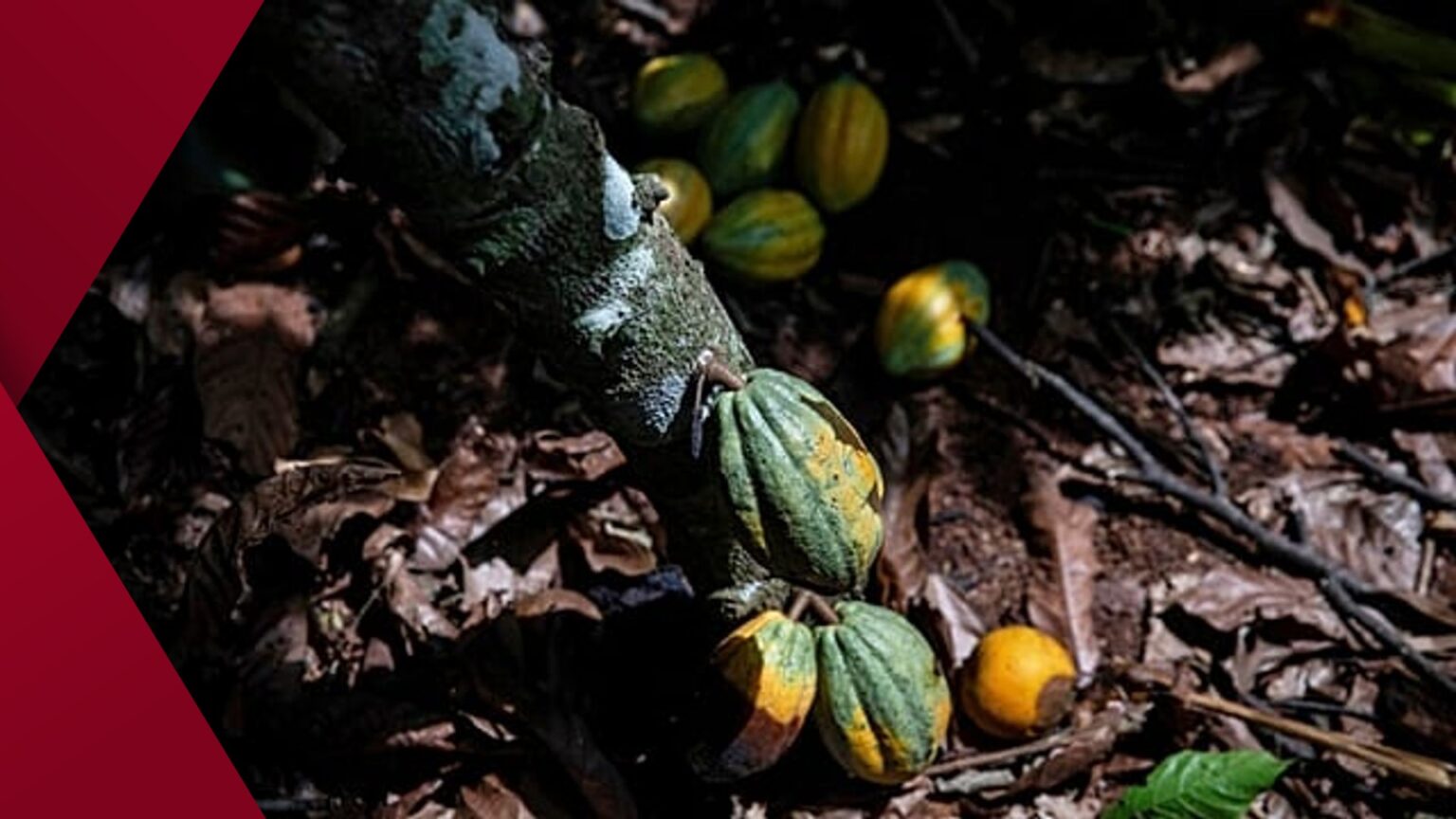
Ivory Coast Cocoa Farmers Struggle as Prices Plummet. Bouaflé, Ivory Coast — Sacks of dried cocoa beans sit unsold in homes and warehouses across Ivory Coast, the world’s leading cocoa producer, as a sharp decline in prices has left farmers in dire straits.
The situation has become so dire that some farmers are contemplating abandoning cocoa farming altogether, seeking alternative livelihoods in the face of mounting debt and financial distress.
In Kouamé-Kouassikro, near Bouaflé, cocoa farmer Simplice Konan Konan is among those addressing the crisis. “They have been weighing the cocoa since November. To this day I still haven’t received the money, and I still have dried cocoa in my house.
I can’t find anyone to buy it. Right now I don’t have money for work in the fields, “Konan Konan.
The government of Ivory Coast, which sets a fixed price for cocoa beans at the start of each planting season, had to purchase an excess supply of cocoa beans from farmers in January.
This week, it slashed the price by more than half for 2026, further straining the financial stability of cocoa farmers. This downturn has left global traders facing losses if they purchased cocoa beans from African countries, resulting in a stockpile of rotting cocoa beans in warehouses.
Many farmers, who have already sold their stocks to the government, have not been paid for months.
Instead, they hold pieces of paper promising cash, which are not being honored. This situation has left farmers in a bind, having to plant another crop without the funds necessary for the work.
Government regulators had set a fixed price for the cocoa bean at the beginning of the planting season, aiming to protect farmers from price fluctuations on the international market.
However, the sharp price surge and subsequent crash have left many farmers questioning their future in cocoa farming. Regional officials confirmed that some authorities were not prepared for a crash of this scale, leaving hundreds of thousands of farmers in West Africa, who rely on cocoa farming for a living, in a precarious position.
The situation has prompted calls for reforms within the cocoa trade, including a price band system that would allow producers to benefit from price increases and share the risks and consequences when prices fall, as suggested by Marcelin N’Da, a researcher specializing in cocoa production at the National Polytechnic Institute Félix Houphouët-Boigny – INPHB.
Governments in West Africa are racing to find solutions to this systemic failure. Ghana has initiated efforts to loosen regulations on price controls, and Ivory Coast has also slashed the price paid to cocoa farmers by more than half for 2026.
But farmers remain skeptical, with many saying the reduction in price has left their profit margins very slim when they factor in the costs of production.
Some fear it will mean a child will have to drop out of school. Further details are expected as governments continue to address the crisis, but for now, Ivory Coast’s cocoa farmers face a challenging future.