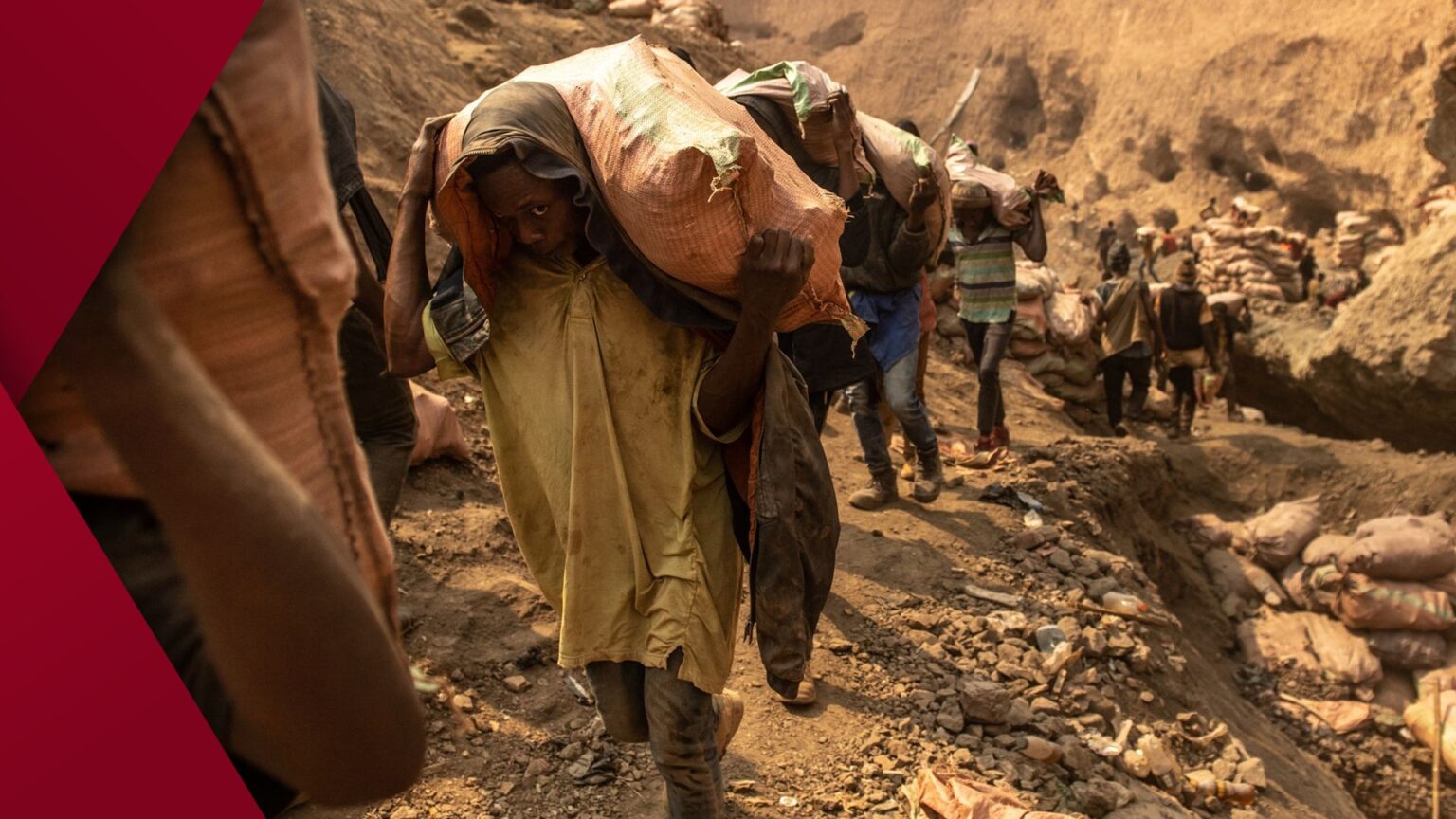
Kinshasa, DRC — In the heart of the Democratic Republic of Congo (DRC), the relentless pursuit of clean energy has a human cost that echoes through the cobalt-rich soil. Artisanal miners, many of them children, toil under perilous conditions to meet the global demand for cobalt, a critical component in the batteries that power our modern world.
The mining operations in the DRC are marked by harrowing conditions. An estimated 40,000 children, some as young as seven, toil in the mines, often without the protection of gloves or masks. They endure grueling hours, carrying heavy loads and working in confined spaces, all while exposed to toxic substances that can lead to serious health issues. The International Labour Organization (ILO) identified over 6,200 child miners in Haut-Katanga and Lualaba provinces alone in 2024.
These young laborers are just one aspect of a broader human rights crisis in the cobalt industry. Workers across all levels face significant risks, including the threat of accidents, exposure to harmful chemicals, and violence. The mining areas are characterized by exploitation, community displacement, and a lack of justice for the vulnerable.
Environmental degradation is another dimension of this dark tale. The mining process contaminates water sources with toxic metals like uranium and arsenic, posing severe threats to both wildlife and human health. Deforestation and air pollution are also prevalent, further exacerbating the ecological impact.
The roots of this crisis are deeply intertwined with poverty and systemic inequalities. Many miners turn to cobalt mining as a last resort, driven by the dire need to support their families. The mining sector is, therefore, a microcosm of the broader challenges faced by the DRC’s population.
This issue is not just a Congolese problem; it’s a global one. The demand for cobalt has surged due to the rise of electric vehicles and electronic devices, with the DRC holding the lion’s share of the world’s cobalt reserves. This demand has led to increased mining activities, often at the expense of human rights and environmental sustainability.
Expert opinions from research highlight the urgency of addressing these issues. Analysts argue that without significant changes, the human cost of cobalt mining will continue to rise, threatening the future of the DRC’s population and the planet. They call for more transparent supply chains, stricter labor laws, and investment in alternative energy sources that do not rely on the exploitation of children and the environment.
The story of cobalt mining in the DRC is a stark reminder of the complex interplay between global economic interests and the well-being of local communities. It demands a concerted effort from governments, corporations, and civil society to ensure that the quest for clean energy does not come at the expense of human rights and environmental health.
Source: aljazeera
Additional reporting by ImNews