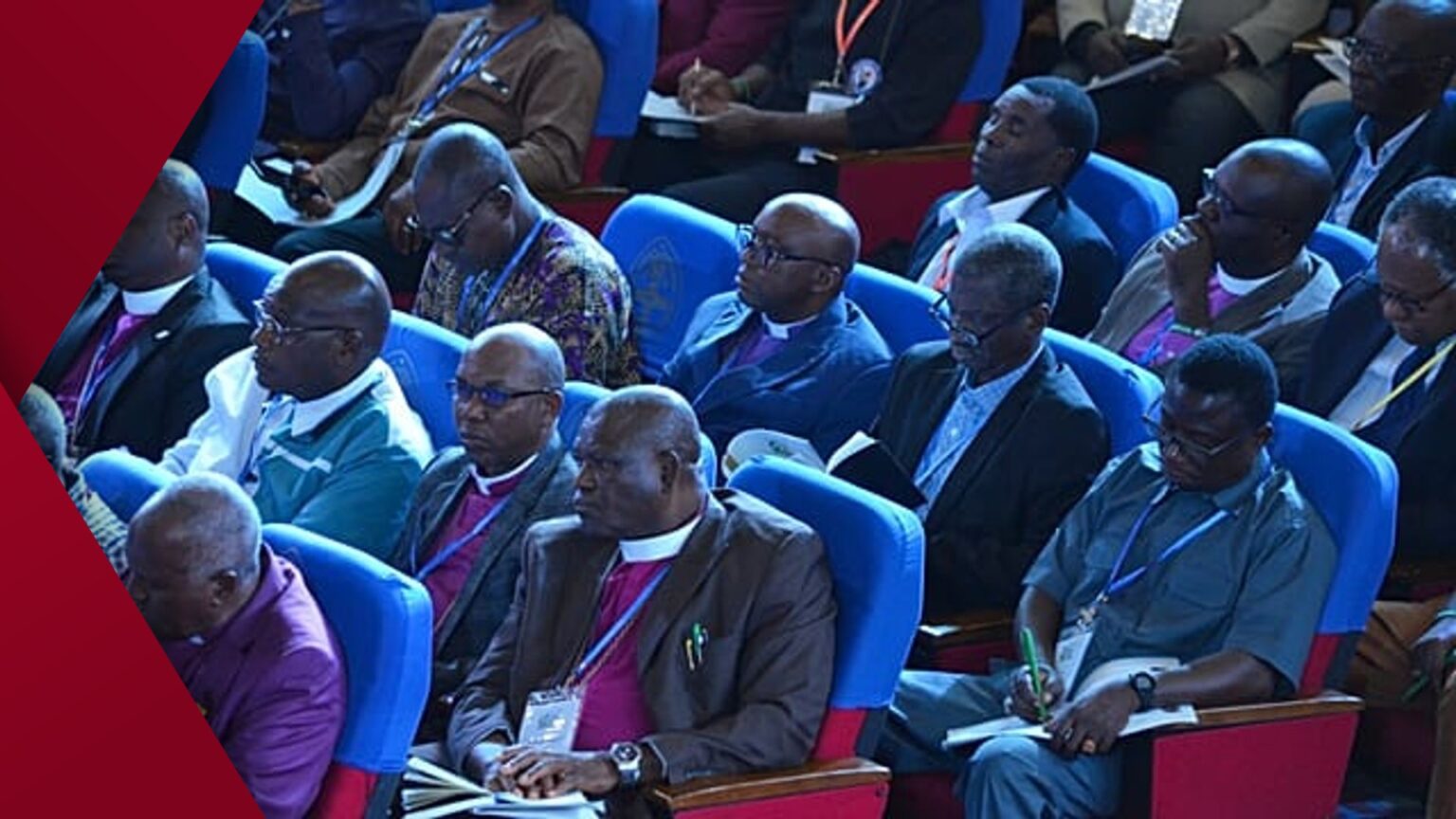
Nigeria Hosts Key Anglican Meeting Amid Leadership and LGBTQ+ Issues. City, Country — Lagos, Nigeria — March 5, 2026 Conservative Anglican leaders from across Africa, Asia, and Latin America have convened in Nigeria for a pivotal four-day meeting that could potentially alter the course of the Anglican Church.
The Global Fellowship of Confessing Anglicans (GAFCON)-organized conference is set to discuss proposals that could formalize a division within the Anglican Communion over the recent appointment of the first female archbishop of Canterbury, Sarah Mullally, and the role of LGBTQ+ clergy.
The meeting follows the Church of England’s installation of Mullally, sparking criticism from some conservative Anglican leaders who opposed her selection based on gender and her stance on LGBTQ+ issues. Homosexuality remains a sensitive topic in many African countries, where it is either criminalized under colonial-era laws or newer legislation. Uganda, for instance, enacted legislation in 2023 that prescribes the death penalty for certain homosexual offenses.
Venerable Canon Justin Murff, Canon for Global Affairs to the General Secretary of GAFCON, emphasized the group’s identity, stating, “We would prefer that you describe GAFCON as a global orthodox Anglican fellowship or as the global Anglican communion, which does indeed represent the majority of practicing Anglicans. We explicitly reject this framing of schism.”GAFCON, a conservative coalition predominantly from nations of the Global South, operates outside the official, London-based Anglican Communion.
However, many of its churches are still members of the communion.
The Anglican Communion, with roots in the Reformation — era Church of England, has a global membership of approximately 85 million people across 165 countries, including over 40 autonomous provinces.
The Anglican Communion is also moving towards a decentralization plan, aiming to make it “less Canterbury-centric, “recognizing that a majority of Anglicans now reside in the Global South.
The implications of the meeting are significant, with potential long — term effects on the Anglican Communion’s structure and values. Further details are expected to emerge as the conference progresses.