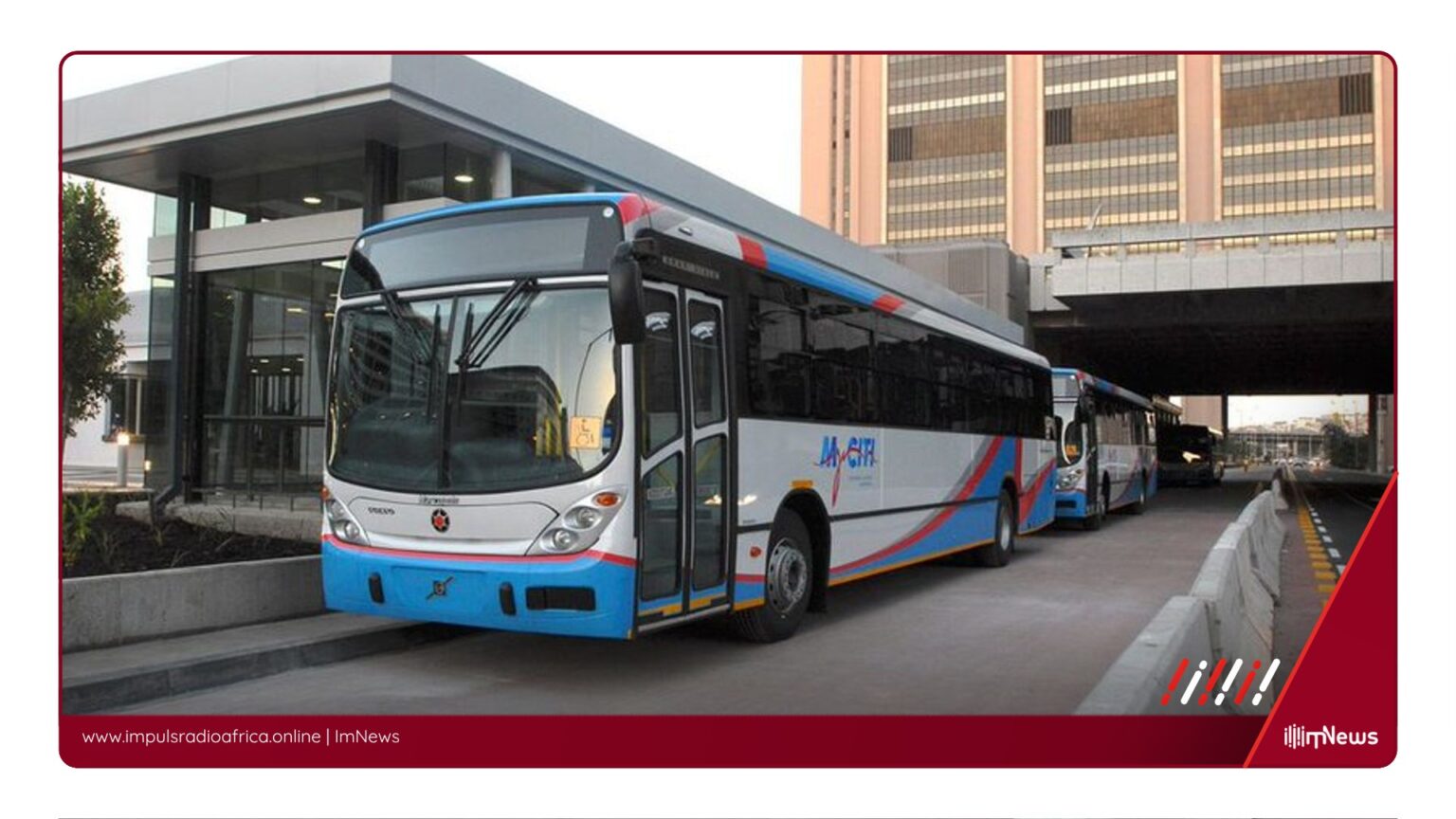
Cape Town Pioneers Electric Bus Initiative in Africa’s Sustainable Transport Shift. Johannesburg, South Africa — April 17, 2026 Cape Town is poised to lead Africa’s transition to sustainable public transportation with the introduction of its first electric bus, set to arrive in August 2026. This landmark event is part of a broader strategy to modernize transit systems, reduce emissions, and address the city’s growing need for efficient and eco-friendly public transport.
The MyCiTi rapid transit service will initially receive 30 electric buses by June 2027, with the first batch of 13 expected before the end of 2026. These Volvo BZRLE models, featuring bodies manufactured in Johannesburg, are set to serve key routes connecting communities such as Mitchells Plain and Khayelitsha with commercial hubs, providing a significant boost to the local automotive industry.
The City of Cape Town’s commitment to sustainability is further underscored by a 12-month pilot program in partnership with the University of Cape Town. This initiative will study battery durability, charging times, passenger loads, and the impact of weather on energy use, providing critical data for future investment decisions and infrastructure planning.
The anticipated benefits of electric buses are substantial, with international operators reporting potential savings of up to 70% in fuel and maintenance costs compared to diesel alternatives. This shift aligns with a global trend towards electric vehicle adoption, aimed at reducing carbon emissions and decreasing reliance on fossil fuels.
In the broader context of Africa’s sustainable transport landscape, Cape Town’s initiative is timely and significant.
As cities across the continent grapple with rising fuel import bills, congestion, and the need to lower emissions, electric buses are increasingly seen as a viable solution for expanding affordable transport networks.
The City of Cape Town’s electric bus rollout is supported by both the public and private sectors. Golden Arrow Bus Services (GABS) is leading the transition with a growing fleet of electric buses and substantial charging infrastructure, while local manufacturing of bus bodies in Johannesburg bolsters the domestic automotive industry. While challenges remain, such as the development of charging infrastructure and the integration of electric minibus taxi routes, Cape Town’s electric bus initiative stands as a beacon of hope for sustainable transportation solutions in Africa.
Its success could serve as a model for other cities looking to adopt similar strategies and contribute to a cleaner, more sustainable future.
*Additional reporting by ImNews | Sources consulted: 4*
—
By This original article was produced by the ImNews editorial team
Source: Africa.businessinsider
Source: Ayodeji Adegboyega