Chad’s Eastern Region on the Brink of Humanitarian Crisis Amidst Ongoing Sudanese Conflict. N’Djamena, Chad — April 21, 2026 — The East of Chad is addressing a critical humanitarian emergency, now in its third year following the escalation of the Sudanese conflict.
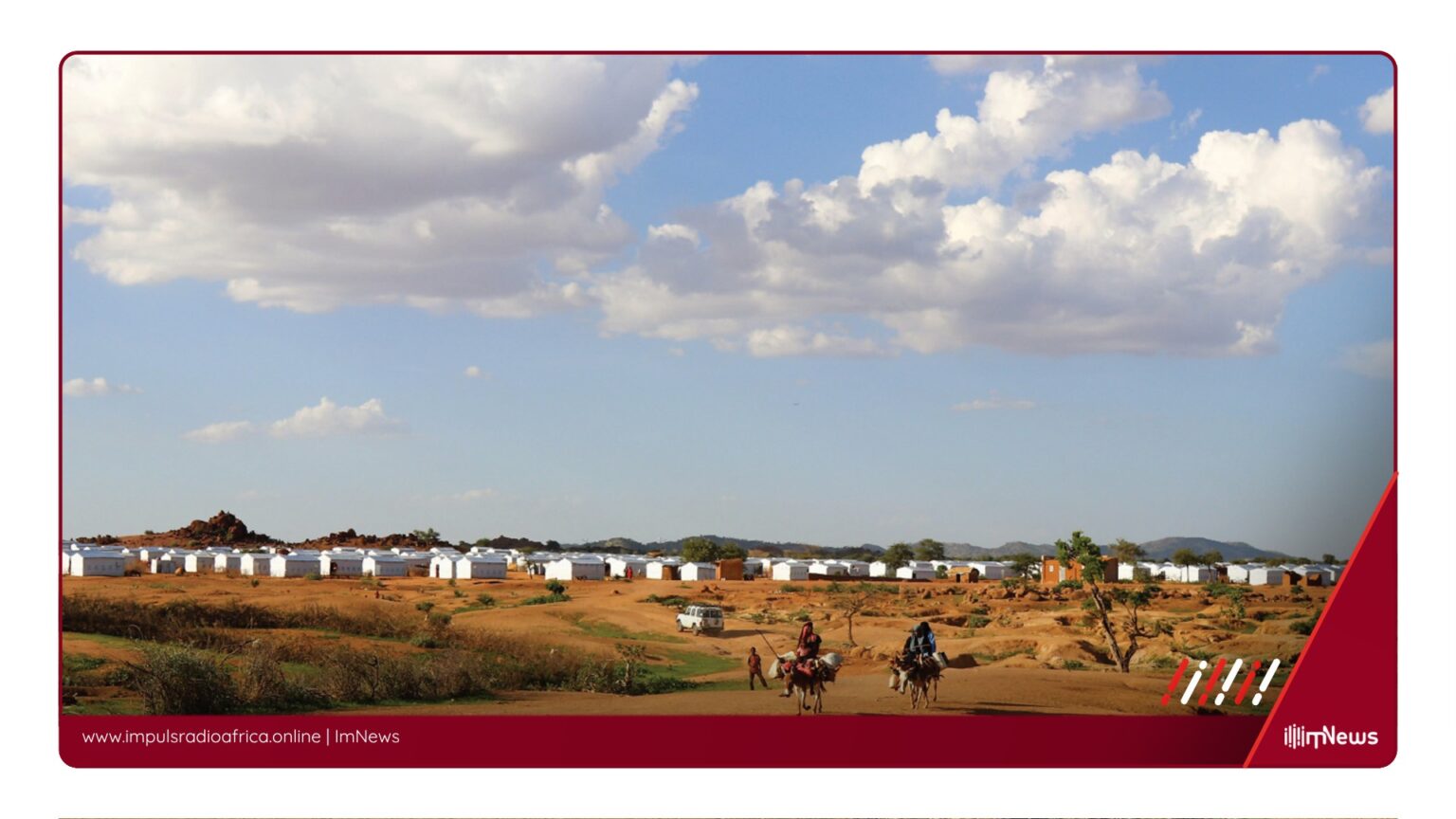
The region has become a sanctuary for over 1. 3 million displaced individuals, including nearly 918,000 Sudanese refugees and 390,000 Chadian returnees, according to data from UNICEF, UNHCR, and OCHA.
The situation has deteriorated significantly, with food insecurity reaching alarming levels.
The World Food Programme (WFP) has issued a warning of potential stockouts unless urgent funding is secured, signaling a potential humanitarian disaster.
The crisis has exposed a substantial financing gap, with the humanitarian response plan facing a deficit of 771 million dollars. This shortfall has left the majority of refugees without adequate shelter and living in severe conditions. Over 829,000 children are impacted, with their rights to survival, education, and protection under threat.
Water and health services are critically strained, with some refugees receiving less than half of the minimum daily water requirement and limited access to healthcare. UNICEF emphasizes the urgency of providing adequate shelter, nutrition, and education to the affected populations, while the WFP underscores the need for immediate funding to prevent ration cuts.
The UNHCR and OCHA are concerned about the growing number of refugees and the potential for intercommunal tensions due to resource scarcity.
As negotiations between Sudan and Chad over conflict resolution and refugee repatriation remain at a standstill, the crisis in Chad’s East underscores the broader displacement issues in the region and the challenges faced by host communities in accommodating a large influx of refugees.
*Additional reporting by ImNews | Sources consulted: 5*
—
By This original article was produced by the ImNews editorial team
Source: reliefweb
Source: International Organization for Migration