Africa Newsroom — In the heart of Africa’s economic awakening, the continent’s rich mineral resources and youthful population have positioned it as a strategic battleground for global powers vying for influence. This article explores how Africa, in the midst of this geopolitical tug-of-war, is increasingly wielding its economic might to forge partnerships on its own terms.
The Economic Chessboard
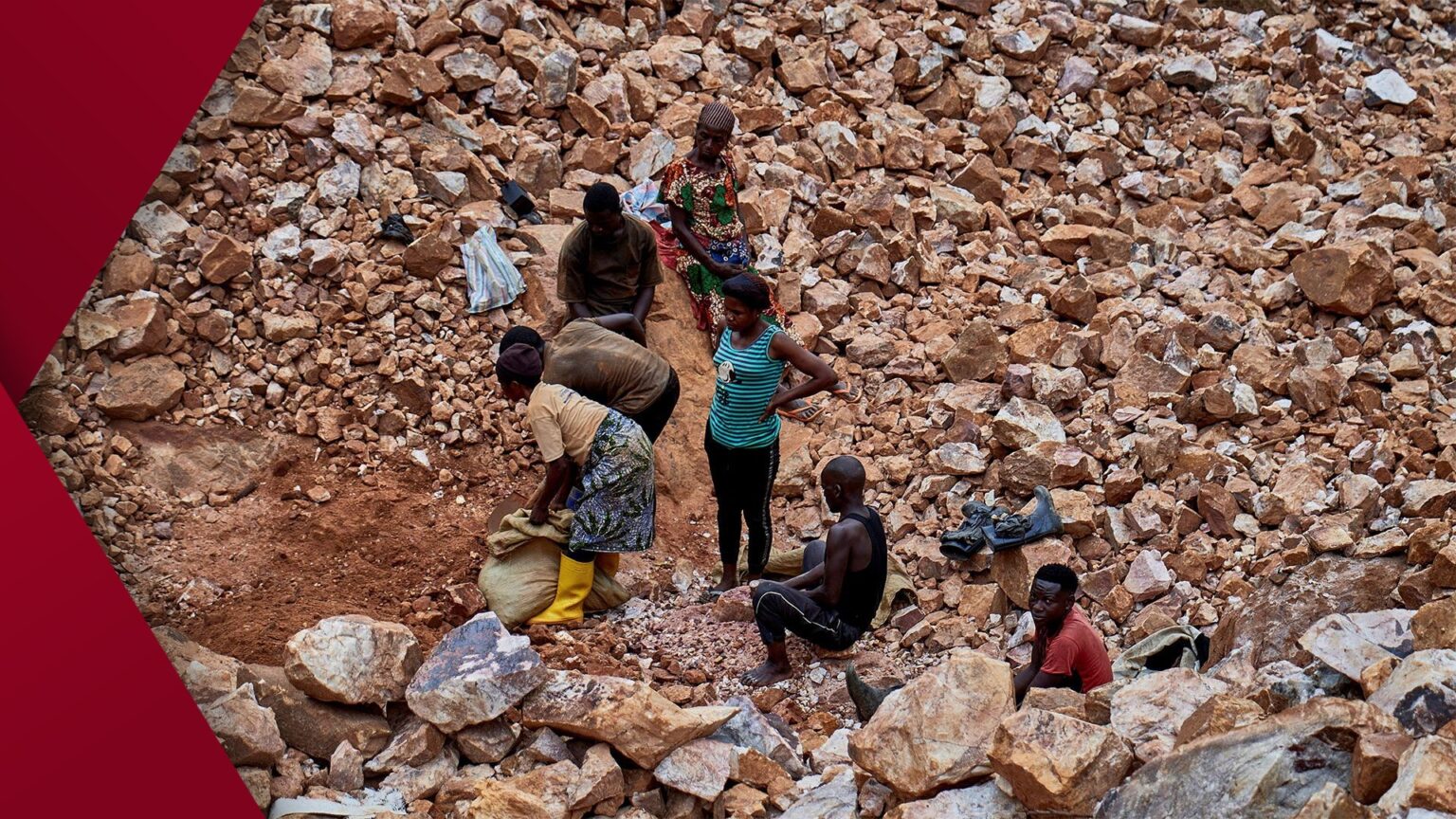
Africa’s strategic importance lies not only in its abundant natural resources but also in its burgeoning workforce, which presents a demographic dividend for potential investors. The continent’s minerals are the lifeblood of global industry, and its young population is a beacon of future economic potential. In a landscape where China, the United States, and Europe are all jostling for position, Africa is beginning to assert its sovereign right to choose economic partners that align with its own interests.
A Shift from Aid to Investment
Historically reliant on aid from Western nations, Africa is now diversifying its economic partnerships to include investments that promise mutual growth and long-term sustainability. This shift is evident in the surge of foreign direct investment (FDI) flowing into the continent. For instance, China has emerged as a leading investor through its Belt and Road Initiative (BRI), which has injected over $56 billion into African infrastructure by 2022. Additionally, the Gulf Cooperation Council (GCC), notably the UAE, has announced over $53 billion in FDI projects across Africa in the past year.
Diversifying Economic Alliances
The continent’s strategic recalibration is not limited to traditional powerhouses. Russia, for instance, has strengthened ties with several African nations, particularly the G5 Sahel countries. This multifaceted approach to economic partnership is part of a broader strategy to ensure that Africa’s growth is inclusive and sustainable.
The AfCFTA: A Pillar of Intra-African Trade
The Africa Continental Free Trade Area (AfCFTA), established in 2021, is a testament to Africa’s commitment to regional integration. The AfCFTA aims to create a unified market across 54 nations, thereby spurring intra-African trade and reducing reliance on external sources. By 2022, it is expected to boost intra-African trade by an impressive 52%.
Challenges and Considerations
Despite the promising trajectory, Africa faces significant challenges. Mounting debt from foreign loans is a major concern, as it can stifle investments in critical sectors. Moreover, the continent must navigate complex trade agreements that may not always align with its national interests.
Expert Analysis
According to Dr. John Mbarika, a leading economist, “Africa’s strategic positioning in the global economy is both a privilege and a responsibility. The continent must carefully manage its partnerships to ensure that the benefits are shared equitably and that its sovereignty is respected.”
Conclusion
As Africa forges its economic path, it is clear that the continent is no longer merely a pawn in a global game of power. With a strategic approach to its partnerships, Africa is well on its way to becoming a key player in the global economy, shaping its future on its own terms.
Source: aljazeera
Additional reporting by ImNews