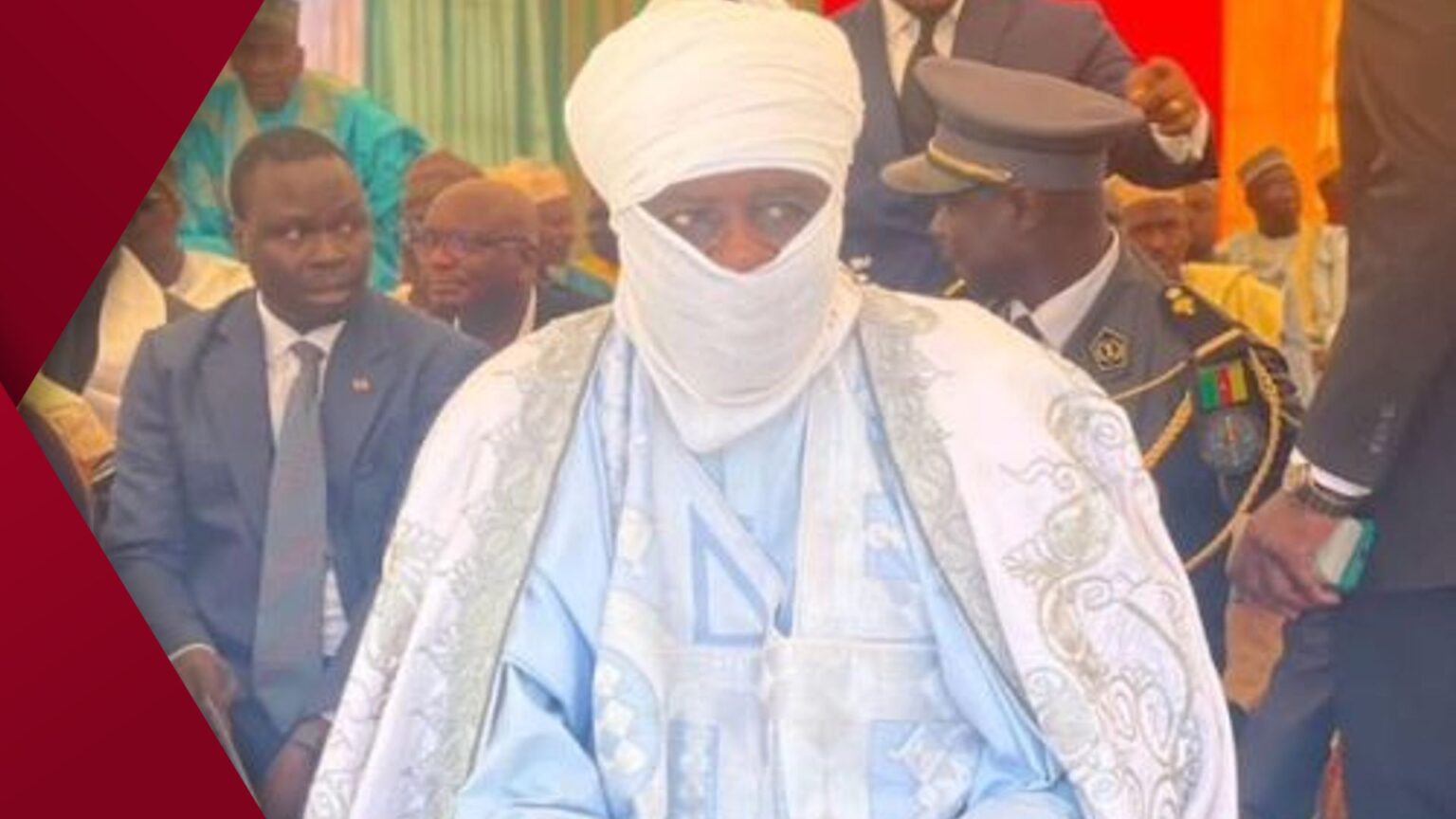
Cameroon Parliament Welcomes New Leadership with Datouo and Abdoulaye at Helm. BUEA, PAV — Cameroon’s parliament marked a significant transition on March 14, 2026, with the election of new leaders for both the National Assembly and the Senate, heralding the end of long-standing tenures and symbolizing a pivotal change in the country’s political scene. Théodore Datouo, a 66-year-old businessman and parliamentarian from Upper Plateau, was elected Speaker of the National Assembly, succeeding Cavaye Yeguié Djibril, who had held the post for 34 years.
The same day, Aboubakary Abdoulaye was chosen to lead the Senate, taking over from Marcel Niat Njifenji, who has served since 2013. Datouo’s election followed a designation by the Central Committee of the ruling Cameroon People’s Democratic Movement, with the businessman securing 133 out of 147 valid ballots. He has been a member of parliament since 2007 and previously served as one of the assembly’s vice presidents.
His predecessor, Cavaye, 86, a senior member of the ruling party, had been a member of parliament for 53 years and one of the longest-serving legislative leaders in Africa.
The transition is being viewed as both a change and a continuation within Cameroon’s political establishment, as the leadership change remains within the ruling party. Rights advocate Nkongho Felix Agbor, also known as Agbor Balla, noted that the change is more than just a routine political shift.
“This is not just about a change in leadership; it is a test of the relevance, independence, and credibility of our legislative institution,” Agbor Balla said emphasizing the need for democratic renewal.
In the Senate, Abdoulaye, a 64-year-old senator from the North Region, was elected with 100 per cent of the vote. He succeeds Marcel Niat Njifenji, who was frequently absent due to declining health.
Abdoulaye has a background in public administration and politics, having served as secretary of state for agriculture and holding various roles in government.
The simultaneous leadership changes in both chambers are being seen as a significant moment in Cameroon’s political trajectory. While the appointments maintain the dominance of the ruling party, they also introduce new figures at the helm of institutions that veteran political leaders have long led.
Further details regarding the implications of these changes are expected in the coming days.