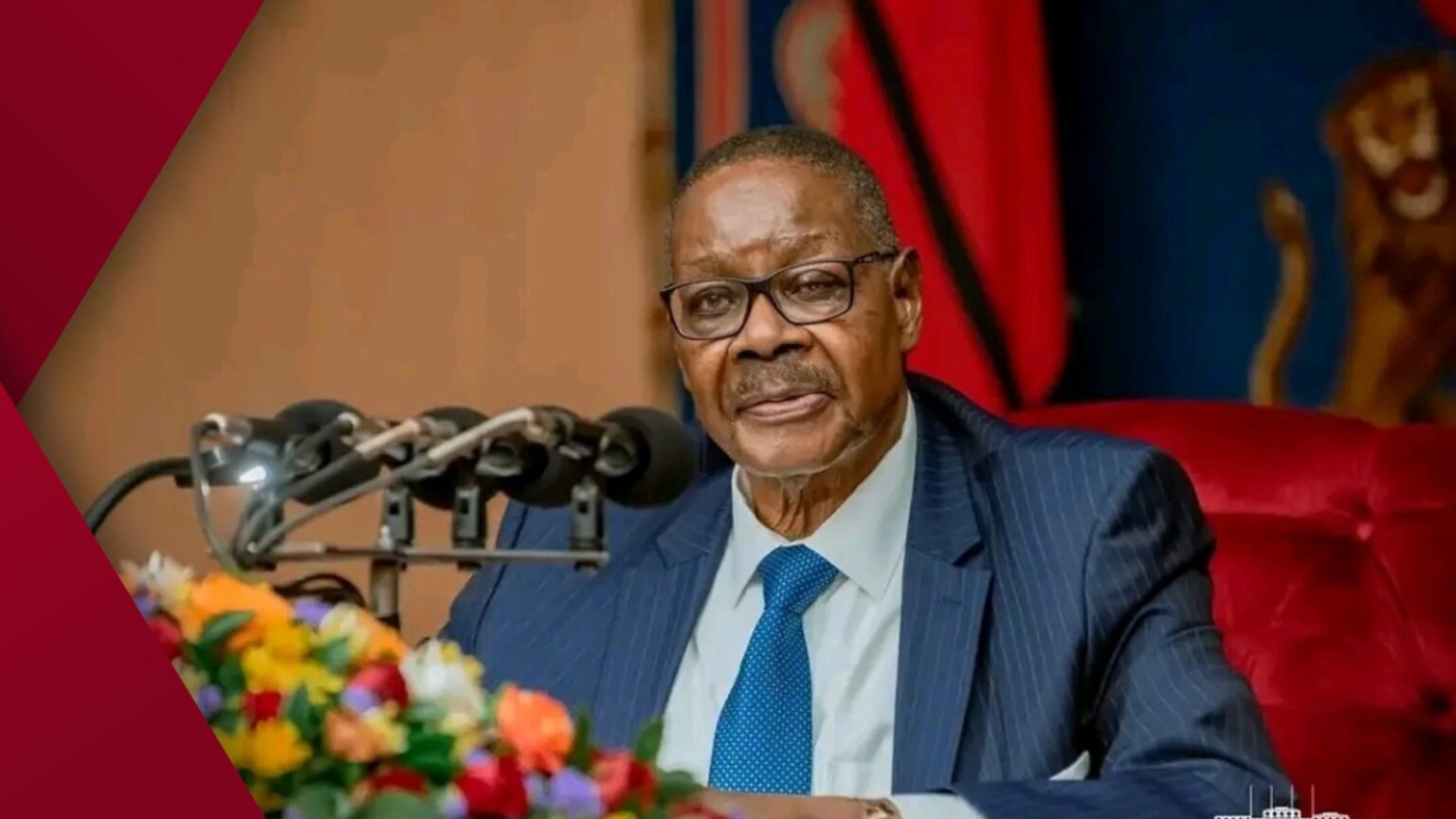
Malawi’s President Mutharika Unveils Agenda for Industrial Transformation. Lilongwe, Malawi — February 20, 2026 Malawi’s President Peter Mutharika has outlined a comprehensive economic agenda aimed at transforming the nation from an import-dependent economy to a competitive producer and exporter.
The cornerstone of this initiative is the establishment of four Special Economic Zones (SEZs) across the country, designed to stimulate industrial growth and attract investment.
According to the government, the SEZs, located in Magwero, Chigumula, Matindi, and Dunduzu, will serve as hubs for manufacturing, agro — processing, and logistics. By leveraging Malawi’s geographical position and natural resources, these zones are intended to boost value addition, increase exports, and create sustainable employment opportunities.
The government is also focusing on empowering Small and Medium Enterprises (SMEs) and cooperatives.
Plans include expanding access to finance, enhancing business development services, and opening market linkages to enable local enterprises to scale and compete internationally. Energy expansion is another key aspect of the reform agenda.
The government aims to exceed 1,000 megawatts of generation capacity by 2030, with investments in solar, biomass, and other renewable sources to address chronic power shortages that have constrained productivity.
Infrastructure development is also a priority, with nationwide road rehabilitation projects, expanded fuel storage capacity, and upgrades to aviation facilities set to reduce transportation bottlenecks and enhance trade efficiency. Plans to expand Malawi Airlines’ fleet from three to ten aircraft indicate a commitment to strengthening connectivity, tourism, and cargo transport capacity.
These initiatives aim to stimulate economic growth, generate employment, and reduce poverty, while addressing Malawi’s estimated 10 percent GDP infrastructure deficit.
However, success will depend on effective policy execution, transparent governance, and sustained investor confidence. With strategic planning and consistent reform, Malawi stands at a potential turning point. President Mutharika’s industrial drive presents an opportunity to build a more diversified, resilient, and competitive economy capable of delivering tangible improvements in living standards and long-term prosperity.
Further details are expected as the government rolls out its industrial revolution strategy.